

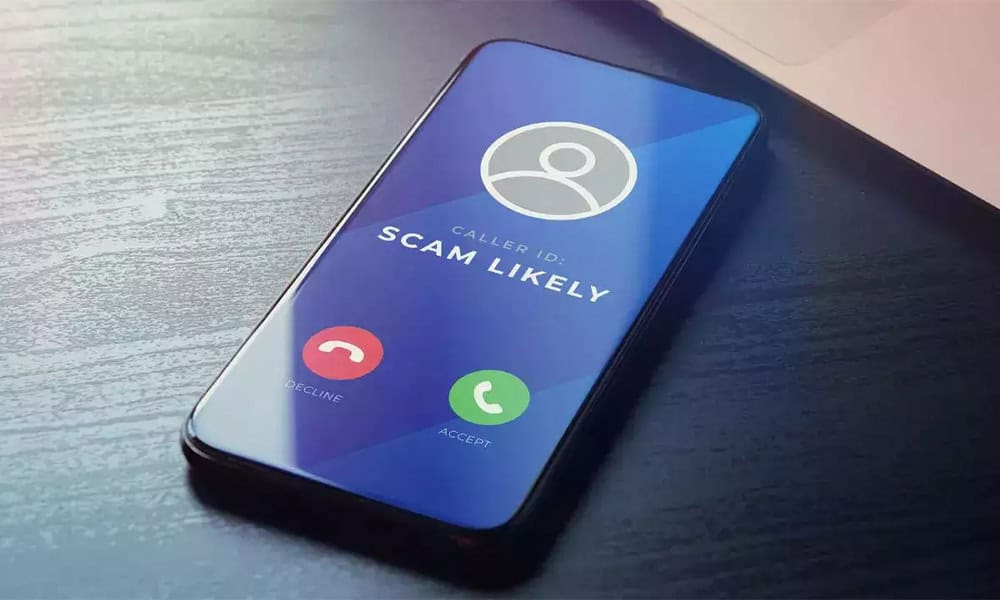
As Costa Ricans and tourists finalize plans for Semana Santa and mid-year breaks, authorities and consumer groups issue fresh alerts on a persistent scam with a fresh angle: the property is genuine, the images authentic, and the address accurate. The reservation, however, is not.
This fraud came to light this week when the owner of a high-end home in Playa Flamingo, Santa Cruz, Guanacaste, started getting inquiries from strangers about a low-cost rental ad on Facebook. The owner confirmed the house does not appear on social media and rents solely through established sites like Airbnb. Fraudsters, though, lifted actual photos, the precise location, and full descriptions to market it as a “direct” rental off-platform, often at a rate that seems like a steal.
The hook: “Airbnb shows it blocked, but we can handle it direct for cheaper.”
The homeowner, speaking on the matter, described a standard script. Ads pop up on Facebook with an attractive price. When prospects question the discount, scammers explain the listing appears “unavailable” on Airbnb due to direct booking, allowing a lower rate outside the system.
Talks then shift to WhatsApp, with rapid replies. Scammers provide more images and, if doubted, supply apparent proof: identification, business papers, and offers for video chats to foster confidence. The aim is to secure an initial payment, usually posed as a 50% deposit via SINPE or bank transfer.
When the owner tested the scammers by inquiring about his own property, they quoted ₡1.2 million for a few days near year’s end, demanding ₡600,000 upfront. He noted that comparable homes in the area fetch around $1,500 nightly. Pressing for bank details and IDs prompted a change in demeanor; they cited “confidentiality” breaches and insisted on a video call.
The impact extends past finances. At least three families showed up at the Flamingo residence expecting a stay, some after drives of up to seven hours with young kids, only to find no record. The owner believes 10 to 12 individuals paid deposits, and about 18 reached out after spotting the issue.
One affected person reported sending ₡155,000 for a partial down payment on a two-night deal that included breakfast. Contact ceased when he probed the low cost, and he verified the deception by reaching the true owner via Airbnb.
Online fraud reports continue to rise. Data from the Organismo de Investigación Judicial (OIJ) indicate electronic fraud cases jumped from 7,095 in 2024 to 10,027 in 2025, a 41% spike. Property offenses dropped in that span, with OIJ linking the trend to criminals preferring remote, repeatable schemes.
In 2024, media outlets reported OIJ cautions on vacation frauds spiking during holidays, advising vigilance and prompt reports. This scam thrives by echoing real bookings: a deposit to hold dates, swift chats on features, and ample visuals. The key variance is the push to exit platforms and use irreversible payments.
Key indicators from the Flamingo incident and fraud advisories
- A suspiciously low price with pressure to act fast (book now for the deal, last spot available).
- Demands to pay off-platform after spotting the ad on a site or social media. Airbnb rules ban such payments and contact swaps aimed at bypassing the service.
- Calls for transfers, which act like cash—hard to reclaim, per alerts from bodies like the U.S. Federal Trade Commission.
- “Evidence” documents surfaced only when doubt arises, used here as convincers.
To reduce exposure when reserving a coastal home for busy periods, stick to basics: conduct all transactions within trusted systems.
Protective measures
- Reserve and settle via the platform (Airbnb, Booking.com, or reputable local firms with proven records). View claims of “blocked” listings requiring direct payment as a red light.
- Check reviews and past bookings. Properties with confirmed feedback and steady activity resist fakes.
- Scrutinize deposits via SINPE or transfers to unknowns not linked to established entities. In this case, the 50% advance was the loss point.
- Respond swiftly to suspicions. Preserve messages, proofs, and details; notify your bank right away, flag the ad to its host site, and report to police. Timely action matters as funds shift quickly.





