

In San Salvador, a court sentenced environmental lawyer Alejandro Henríquez and community leader José Ángel Pérez to three years in prison on charges of aggressive resistance and public disorder. The ruling came after their arrest following a protest that called on President Nayib Bukele to stop the eviction of families from a peasant cooperative on private land.
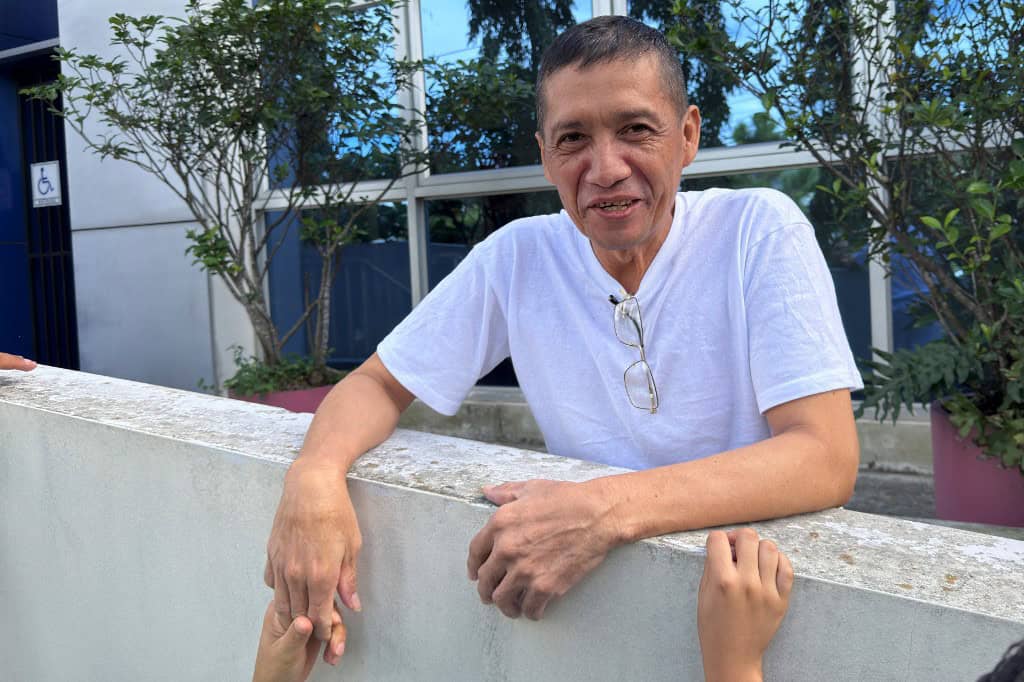
The two men walked out of the courthouse in Santa Tecla, just west of the capital, under conditional release. Salvadoran law permits this for sentences of three years or less. They now face strict conditions, such as avoiding any street protests and following behavioral guidelines set by the court.
Henríquez and Pérez had spent eight months in detention since their arrest in May. Defense lawyers called the case politicized, pointing to a broader pattern of authorities targeting protesters. Human rights groups echoed this, labeling the proceedings as an effort to silence dissent.
The protest aimed to protect around 300 families from losing their homes. Participants gathered to press Bukele for action, but police intervened, leading to clashes. Authorities accused the pair of inciting disorder, though supporters maintain the demonstration started peacefully.
International voices pushed for their freedom. The United Nations Special Rapporteur on human rights defenders joined nongovernmental organizations like Amnesty International in demanding the charges be dropped. Amnesty named them prisoners of conscience, highlighting concerns over free expression in the region.
This case draws attention across Central America, where land disputes and environmental fights often intersect with government policies. In El Salvador, under Bukele’s administration, security measures have expanded, sometimes overlapping with protest rights. Observers note similar tensions in neighboring countries, where rural communities battle for land security amid development pressures.
Henríquez, known for his work on environmental issues, and Pérez, an evangelical pastor active in local organizing, plan to continue their advocacy within the limits of their release. Their supporters view the outcome as a partial win, allowing them back with their families while underscoring ongoing challenges for activists.
The decision reflects debates over balancing public order and the right to assemble. As El Salvador grapples with these issues, the release offers relief but leaves questions about future protests unanswered.





