

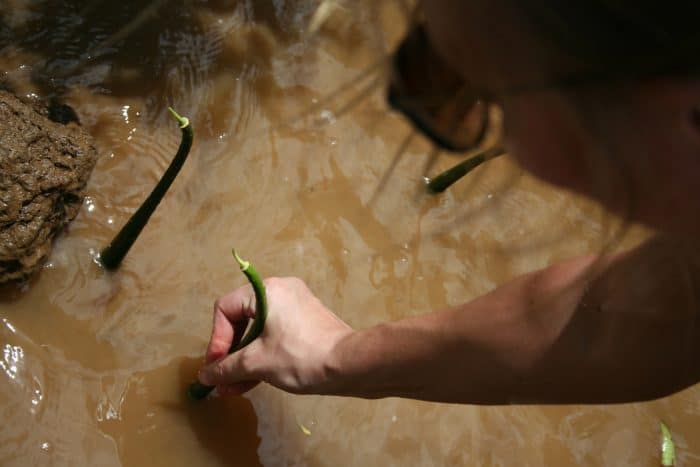
Costa Rica has submitted its updated climate plan to the United Nations, setting new goals to protect and restore coastal wetlands as part of its fight against global warming. The plan, known as the Nationally Determined Contribution or NDC for 2025-2035, targets mangroves and other blue carbon systems to cut emissions and build resilience along the country’s shores.
Our government aims to restore 2,000 hectares of mangroves by 2030, with another 1,900 hectares added by 2035. These efforts focus on areas where mangroves act as natural barriers against storms and rising seas, while also storing carbon that would otherwise enter the atmosphere. Officials estimate that each hectare restored could prevent significant greenhouse gas releases over time, supporting Costa Rica’s push toward net-zero emissions by mid-century.
Blue carbon ecosystems, which include mangroves, seagrasses, and salt marshes, play a central role in the strategy. The plan calls for conserving all registered coastal wetlands and creating a national inventory by 2030 to track their condition and carbon storage capacity. This inventory will help integrate these ecosystems into the country’s greenhouse gas monitoring system, ensuring accurate reporting under international standards.
To fund these initiatives, Costa Rica plans to develop a permanent financing system by 2035. This could involve payments for ecosystem services tailored to marine areas or bonds tied to blue carbon projects. A pilot program for marine payments starts by 2029, blending public funds with private and international support to make conservation self-sustaining.
The updated NDC builds on earlier commitments from 2020, when the country first pledged to manage coastal wetlands for climate benefits. Since then, Costa Rica has strengthened its policies, including a national blue carbon strategy that coordinates efforts across government agencies and local communities. These steps address threats like deforestation, pollution, and development pressures that have degraded some wetland areas.
Coastal communities stand to gain from the plan. Mangrove restoration supports fisheries by providing habitats for fish and shellfish, which many locals here rely on for income. It also reduces erosion risks, protecting homes and infrastructure from extreme weather. The strategy includes community involvement in monitoring and early warning systems, with a focus on vulnerable groups such as indigenous peoples and women in rural areas.
On a broader scale, the NDC aligns with Costa Rica’s goal to limit net emissions to under 11,380 gigagrams of CO2 equivalent by 2030. It incorporates ocean management into national planning, linking land, water, and energy sectors for better outcomes. By prioritizing nature-based solutions, the country aims to meet Paris Agreement targets while boosting biodiversity and economic stability.
Experts in the field note that Costa Rica’s approach sets an example for other nations with rich coastal resources. Since our country has over 1,000 kilometers of coastline on two oceans, it holds significant blue carbon potential. The plan’s emphasis on restoration and financing could inspire similar actions in the region, where climate impacts like stronger hurricanes threaten ecosystems and people alike.
Implementation begins immediately, with milestones like the wetland inventory and pilot financing programs leading the way. The government has allocated resources for these efforts, though success depends on continued international partnerships to fill funding gaps.





