

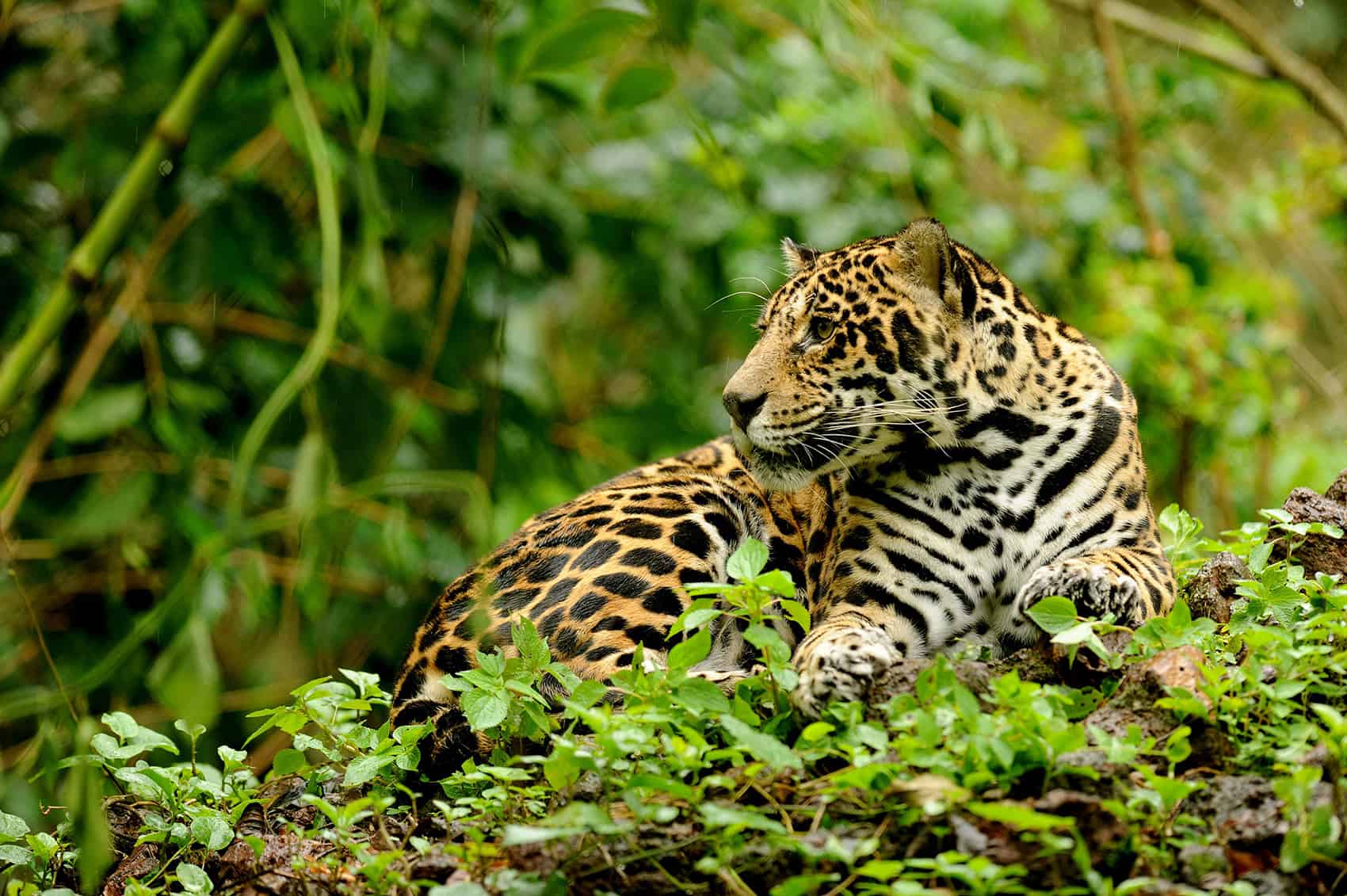
PBS’s latest NATURE episode, Jaguar Beach, brings viewers to Costa Rica’s Pacific coast, where jaguars and olive ridley sea turtles interact in ways that challenge simple views of predator and prey. Filmed in Santa Rosa National Park in Guanacaste, the documentary reveals how these big cats hunt turtles during mass nesting events but also help protect nests from smaller threats.
The film starts on a secluded beach where dry tropical forest borders the ocean. Here, volcanic soil shapes the land, creating a habitat for both land and sea animals. Jaguars patrol the shoreline, drawn to the arribadas—events where thousands of olive ridley turtles come ashore at night to lay eggs. These turtles, one of only two species that nest in such large groups, face risks from the jaguars, who seize them as they crawl up the sand.
Yet the story goes deeper. Jaguars’ return to this area curbs populations of meso-predators, such as coyotes and raccoons, that dig up turtle nests. With fewer of these animals around, more eggs hatch successfully. Researcher Carolina Perez, who monitors nests with basic equipment, notes this indirect benefit. Her work shows how apex predators maintain balance in the ecosystem, allowing turtle populations to rebound.
This dynamic plays out in Santa Rosa National Park, a protected site that covers dry forest and coastline. The park’s restoration efforts have supported jaguar recovery, once threatened by habitat loss. Now, camera traps and field observations capture jaguars adapting to coastal life, including rare behaviors like dragging a dolphin carcass from the waves. Such scenes highlight the link between forest and marine worlds, with jaguars bridging the two.
For Costa Rica, the documentary points to our country’s position as a haven for biodiversity. Jaguars, the largest cats in the Americas, find key habitat here, alongside vulnerable turtles that migrate across oceans. Olive ridleys, listed as vulnerable globally, rely on beaches like these for reproduction. The film stresses how conservation in Guanacaste safeguards these species and draws attention to ongoing protection needs.
Viewers see dramatic footage: jaguars stalking in the dark, turtles surging from the surf in waves, and the tense moments of hunts. Commentary from scientists explains habitat changes and species interactions. One sequence follows a jaguar through the underbrush to the beach, showing its powerful build and stealth.
The episode also touches on broader implications. As climate shifts affect migration and nesting, places like Santa Rosa become critical for study. Perez’s data suggests that supporting jaguars aids turtle survival, a finding that could guide management in other regions.
Costa Rica’s commitment to parks and wildlife corridors has helped revive these populations. Guanacaste, with its mix of ecosystems, stands as an example of effective conservation. The documentary, produced by Terra Mater Studios, premiered yesterday, and runs for 53 minutes. It streams on PBS platforms, offering a close look at this coastal drama.
Facts from the film add context: Jaguars possess the strongest bite among big cats relative to size, aiding their hunts. Olive ridleys coordinate arribadas through cues like lunar cycles, leading to synchronized nesting that overwhelms some predators.
This exposure could support local efforts. Increased awareness often leads to more resources for patrols and research in Guanacaste. For those in Costa Rica, the story resonates with national pride in natural heritage and the push for sustainable practices.
Jaguar Beach reminds us that ecosystems thrive through complex ties. In this corner of the Pacific, jaguars and turtles share a space where survival depends on balance.





