
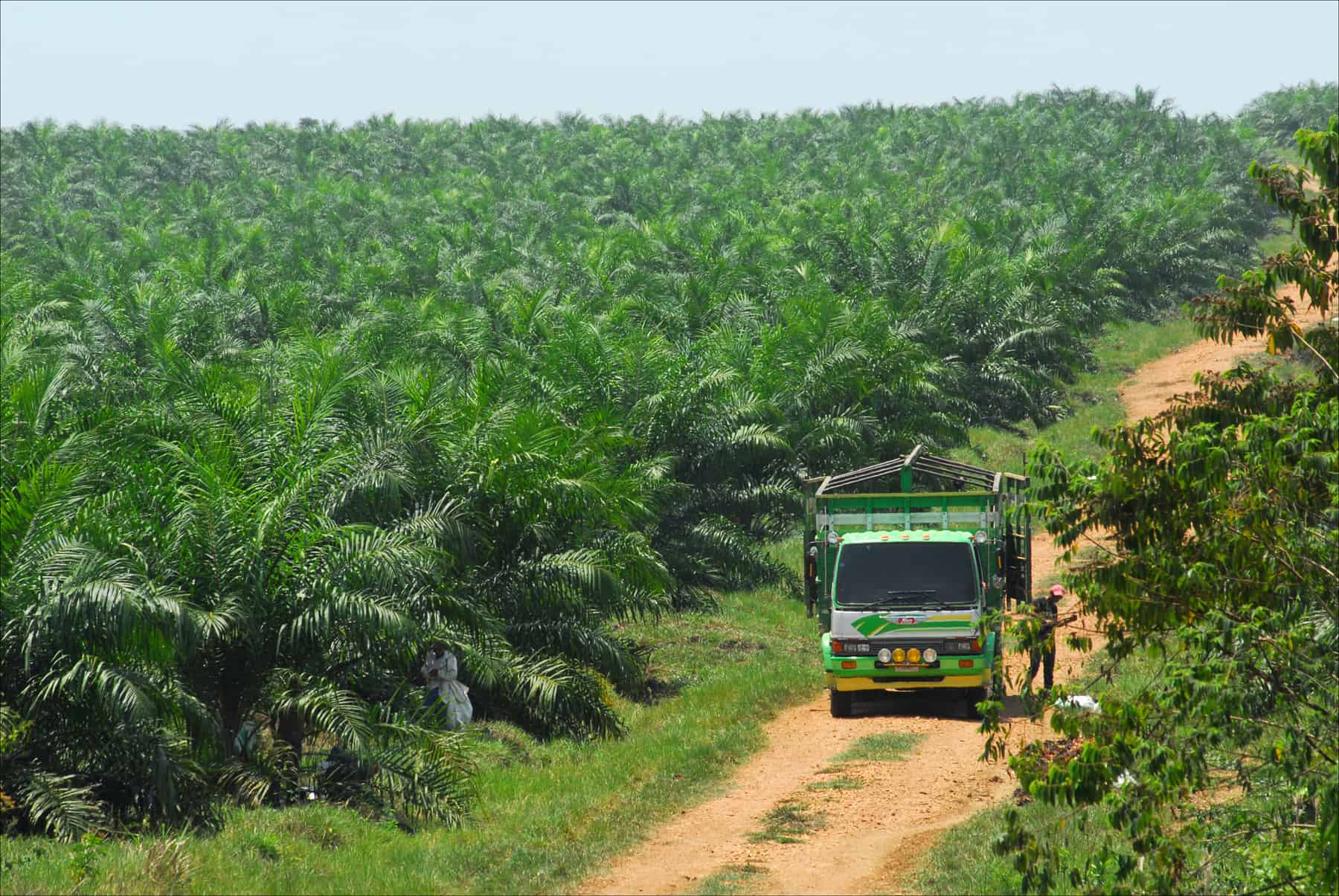
Reading about the massive fish kill on the Caribbean side—due most likely to pesticide and chemical run-off from banana plantations—reminded me once again of why I harbor a dislike for the monoculture industrial farming done in too many places in Costa Rica. I have lived near both pineapple and palm oil plantations.
True, they provide a source of employment for many, but most of the jobs are labor intensive and low-paying. There have also been numerous illnesses suffered by long-term workers linked to prolonged exposure to the noxious cocktail of pesticides and other chemicals used to maximize production. It is the trade-off common in industrialized societies. Steel mills, coal mines, plastics manufacturing plants all provide jobs, while also degrading the environment and the health of their workers.
Costa Rica has one of the highest rates of pesticide use per capita of anywhere in the world. In monoculture farming, especially for crops like bananas and pineapples, a variety of chemicals are used, including not only pesticides, but also herbicides and fungicides, often in high quantities. These chemicals carry exotic names such as mancozeb, chlorothalonil, paraquat, and glyphosate. They are used to control pests, weeds, and diseases. The common denominator they share is that their use is strictly to maximize production in the most efficient way possible, with the numerous negatives that accompany their use conveniently ignored.
The Central Pacific coastal area I frequent features kilometers of palm oil plantations. Many were previously banana plantations. Palm oil is the most widely consumed vegetable oil on the planet, found in many packaged products, from peanut butter to Nutella to shampoo. It is also used in the production of biofuels. When the palm oil trees are planted, the first step is to clear all vegetation and destroy all biodiversity in the land being prepared.
No other types of tree or vegetation are planted. Once the trees reach the point of production—aided by massive applications of the chemicals listed above—the labor-intensive harvest begins. The workers do not have to worry about interference from any type of wildlife, as monkeys, birds, and sloths have all abandoned the altered habitat.
Production lasts for a couple of generations, after which the soil is biologically dead and unsuitable for any other type of agriculture. This short-sightedness for the sake of maximizing profit is, of course, a worldwide problem and not restricted to Costa Rica.
There are alternatives to the endless use of chemicals. Biological control uses natural enemies (predators, parasites, pathogens) to manage pests. Alas, this method would entail a lot of detailed study and investment, and likely not be as effective as the continued application of the various chemicals—all of which end in -icide, which means “killing of.” Even more ironic is that when one passes one of these plantations, on the surface they look tropical, even lush, when in reality they are monoculture deserts, soon to be agro-wastelands.
The recent fish kill won’t be the last. Profit margin trumps all every place I have ever lived, side effects be damned. I will get off my soapbox now, and may your garden be a bio-diverse one, free of -icides.