

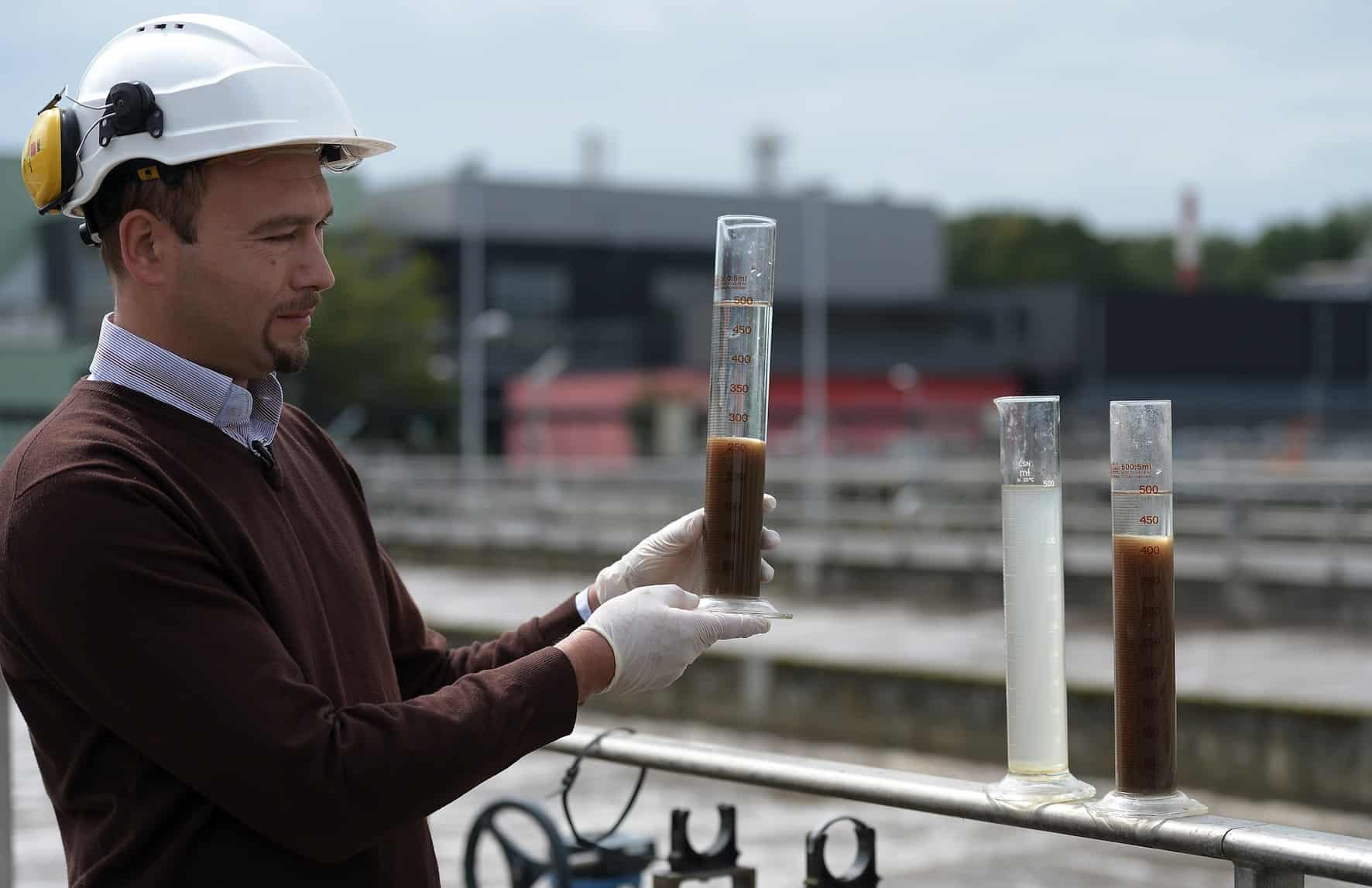
The University of Costa Rica (UCR) has launched an innovative research project to transform wastewater into valuable resources, including water for irrigation, agricultural fertilizer, and biofuel. Led by the Faculty of Engineering, this initiative aims to address Costa Rica’s pressing wastewater management challenges while promoting sustainable development and a circular economy.
In Costa Rica, approximately 75% of the population relies on septic tanks for sewage disposal, a practice that poses long-term risks due to limited space, inadequate infrastructure, and contamination of aquifers and rivers. Only 25% of Costa Ricans have access to sanitary sewerage systems, which are among the most effective methods for treating wastewater in urban areas. Untreated wastewater often pollutes vital water resources, threatening ecosystems and public health.
“This project tackles a critical national issue by turning wastewater into a resource,” said Erick Centeno, coordinator of the research and a professor at UCR’s School of Civil Engineering. “We focus on three key by-products: treated water for agricultural irrigation, street cleaning, or construction; nutrient-rich sludge for use as a soil improver; and biogas, a methane-rich fuel for energy generation.”
The project’s first phase has shown promising results. Researchers developed pilot systems using anaerobic reactors with post-treatment processes to treat wastewater’s liquid, solid, and gaseous phases. These systems effectively sanitize wastewater to meet national regulatory standards, ensuring safe reuse. The liquid phase can be repurposed for irrigation, particularly in water-scarce regions, while the solid phase—sewage sludge—retains essential nutrients like nitrogen, phosphorus, and potassium, making it an effective fertilizer. The gaseous phase, biogas, is harnessed as a renewable energy source, with pilot systems designed to use it for sanitizing sludge through heat treatment.
Costa Rica’s commitment to sustainable wastewater management is gaining momentum. In February, the Costa Rican Institute of Aqueducts and Sewers (AyA) secured a $565 million loan from the Central American Bank for Economic Integration (CABEI) to fund a nationwide wastewater treatment program, including four new treatment plants and over 159,000 household connections. While UCR’s project operates independently, it aligns with these national efforts to reduce environmental pollution and protect ecosystems like the Golfito National Wildlife Refuge.
UCR’s initiative builds on the university’s legacy of sustainable innovation. In 2024, UCR researchers developed a system to convert coffee waste into energy and nutrients, showcasing expertise in waste-to-resource technologies. The wastewater project also complements regional efforts, such as Monteverde’s Environmental Technology Park, which transforms organic waste into eco-friendly fertilizer.
Looking ahead, the UCR team plans to refine its pilot systems and explore partnerships with government agencies and local communities to scale the technology. “Our goal is to provide a model that can be adopted nationwide, reducing reliance on septic tanks and supporting Costa Rica’s vision of zero untreated wastewater by 2045,” Centeno said.





