

The University of Costa Rica (UCR) has created a system that reuses coffee waste and transforms it into energy and nutrients. This project is the work of Juan Pablo Rojas Sossa, from the School of Biosystems Engineering.
To produce 2.3 kilograms of ground coffee, a total of 100 kilograms of coffee cherries must be used. This initial amount of cherries doubles in weight when processed and converted into waste. This presents a challenge for coffee-producing countries across Latin America, where there is an urgent need to manage coffee residues to prevent contamination and the emission of greenhouse gases.
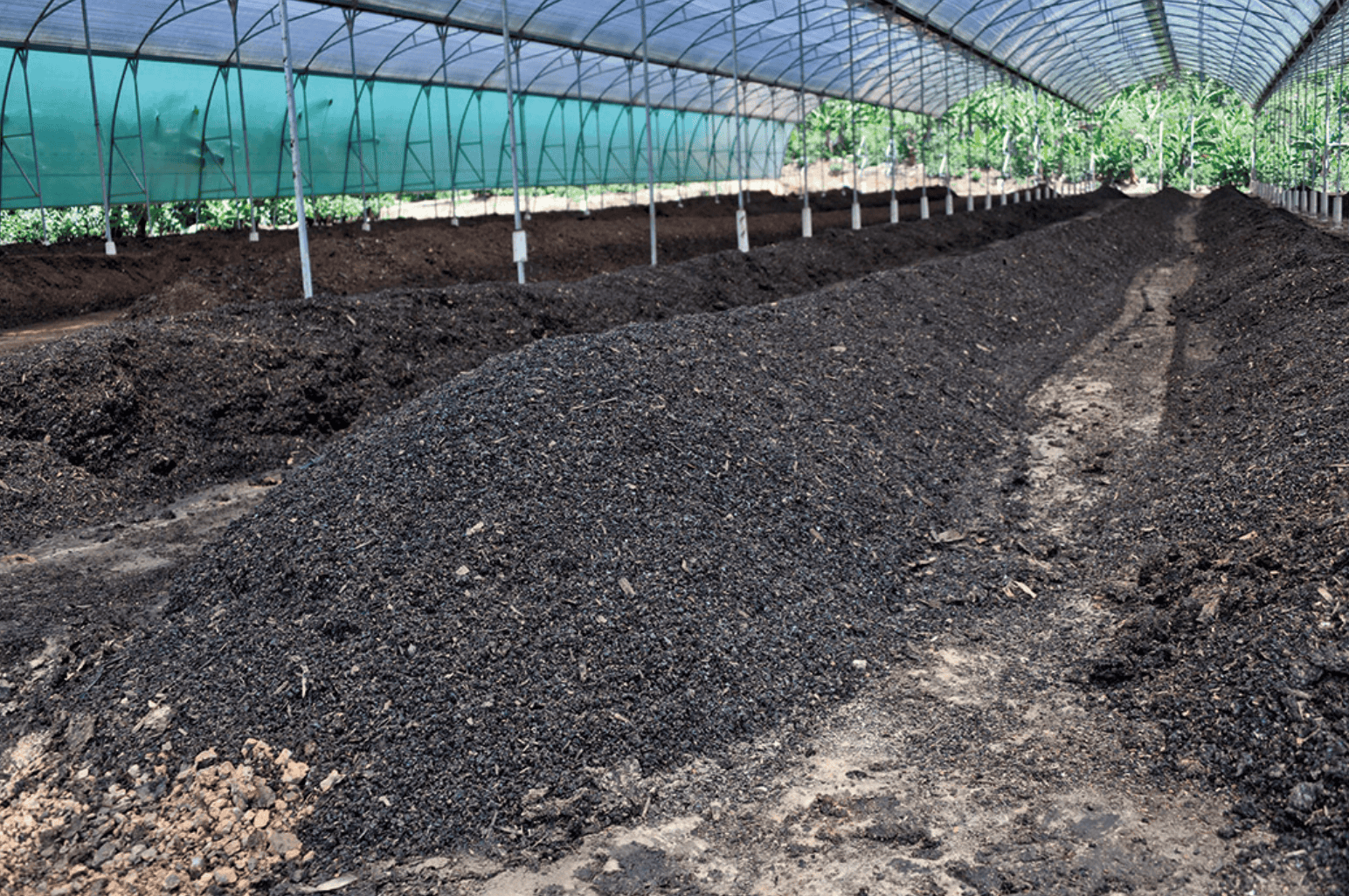
Rojas developed a model in which the inputs used to create ground coffee, such as water and coffee cherries, are repurposed after being processed and converted into “waste” (pulp and honey water). This waste is revalued using a biogas system that transforms emissions into energy, while also converting part of the waste into nutrients (organic matter, nitrogen, and phosphorus) for crops.
“In the absence of oxygen, organic matter degrades. In the first stage, fermentation occurs, and in the second stage, it is converted into methane gas, a biofuel. The system also recovers residues (pulp and honey water), reclaiming them as nutrients,” explained Rojas.
This innovative solution offers coffee producers new opportunities. Through a circular economy model, they can optimize resources by reusing waste and benefiting from the generation of energy, production of nutrients, and a reduction in operating costs.
The operable prototype, developed by UCR, is being implemented in collaboration with Coopetarrazú R.L., a company that can produce up to 950 tons of coffee waste per day.
This prototype is currently at a level 7 technological development phase, meaning the biodigester plant operates under real conditions, revaluing one ton of coffee waste per day and generating 54 cubic meters of biogas.
“The project integrates an anaerobic digestion system with biogas utilization and the production of organic fertilizers derived from the coffee production process. Its primary aim is to solve the waste management problem in the coffee industry, reduce emissions, improve energy efficiency, and enhance the environmental performance of coffee production,” Rojas said.
The next challenge for UCR and Coopetarrazú is scaling the system to phase 8, where the biodigester plant can process 500 tons of coffee waste per day (14% of Coopetarrazú’s total organic waste). This would generate 32,400 cubic meters of biogas. The project, with an estimated infrastructure investment of $1 million, is now seeking strategic partners and investors to bring this technological solution to a larger scale.





