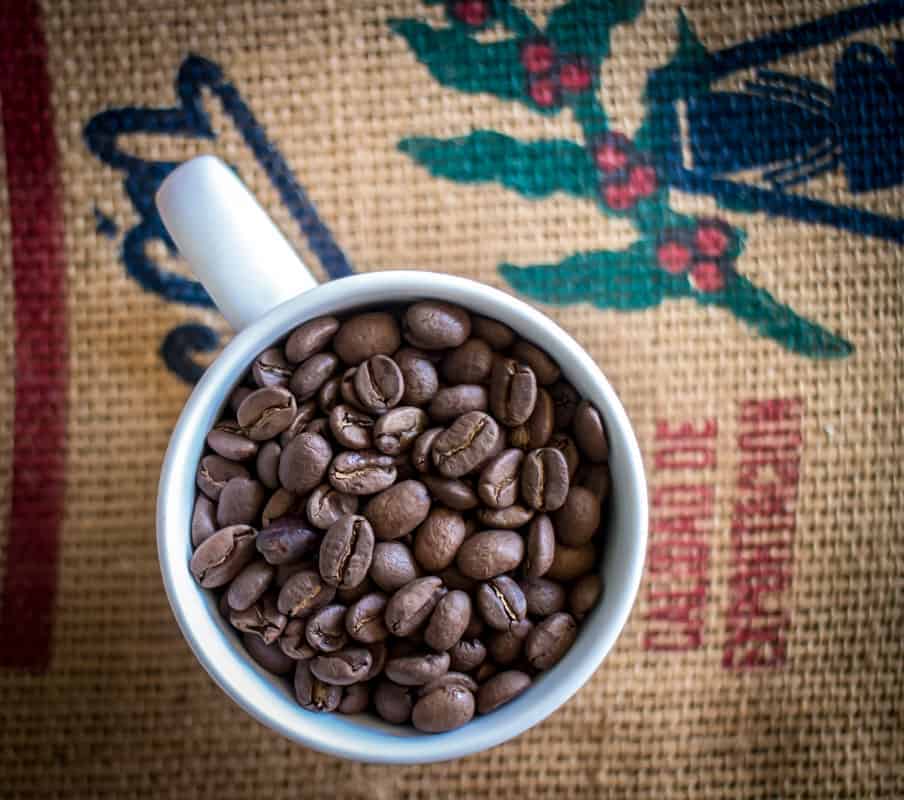
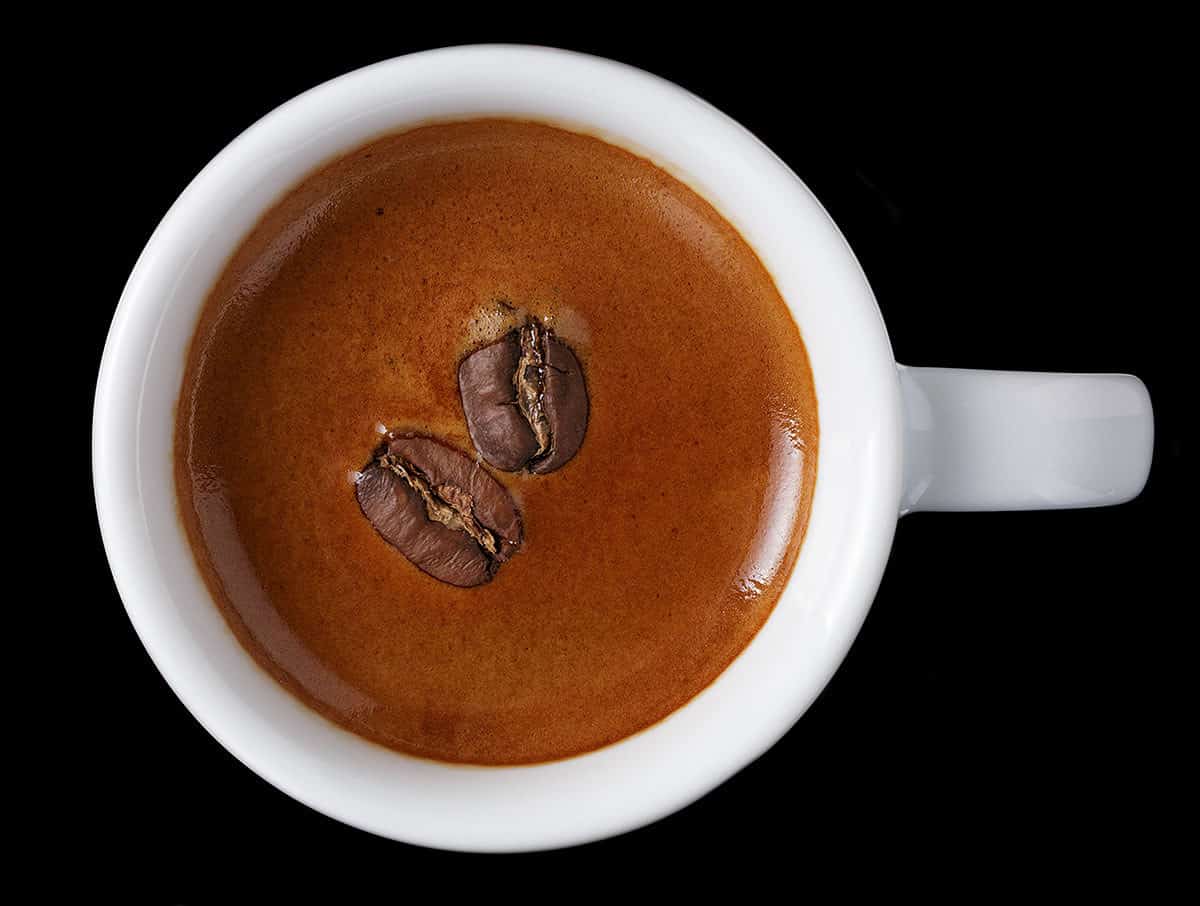
An espresso blend is a mixture of coffee beans that are roasted and ground specifically for use in making espresso. Espresso is a type of coffee that is made by forcing pressurized hot water through finely ground coffee beans.
It is characterized by its strong, full-bodied flavor and thick, creamy texture. Espresso blends are typically made from a combination of Arabica and Robusta coffee beans, which are roasted to a dark level to bring out their full flavor.
The specific blend of beans and the roast level can vary depending on the desired flavor profile of the final espresso. Some common flavor profiles for espresso blends include nutty, chocolatey, and fruity.
What makes a good espresso blend?
There are several factors that can contribute to the quality of an espresso blend:
Bean origin and variety: The beans used in an espresso blend can have a big impact on the flavor of the final product. Arabica beans are known for their sweeter, fruitier flavors, while Robusta beans have a more bitter, earthy taste. The specific region where the beans are grown can also affect their flavor.
Roast level: The roast level of the beans can also impact the flavor of the espresso. A lighter roast will result in a brighter, more acidic flavor, while a darker roast will produce a more intense, bold flavor.
Bean freshness: Freshly roasted beans will produce a better-tasting espresso than beans that have been sitting on a shelf for a long time.
Grinding: The beans should be ground finely to ensure that the water can extract all of the flavors and oils from the beans during the brewing process.
Water quality: The quality of the water used to brew the espresso can also affect the final flavor. Use purified water to ensure that any impurities do not interfere with the flavor of the espresso.
How do you make an espresso blend?
Designing an espresso blend involves selecting the right types and proportions of coffee beans, roasting them to the desired level, and then blending them together to create the desired flavor profile. Here are the steps involved in designing an espresso blend:
Select the beans: Choose the beans that you want to use in your blend. This can include a combination of Arabica and Robusta beans, as well as beans from different regions and with different flavor profiles.
Determine the roast level: Decide on the roast level for the beans. A lighter roast will result in a brighter, more acidic flavor, while a darker roast will produce a more intense, bold flavor.
Blend the beans: Mix together the chosen beans in the desired proportions to create the final blend.
Grind and brew: Grind the roasted beans finely and brew them using an espresso machine to create the final espresso blend.
It may take some experimentation to find the right combination of beans and roast level to create the desired flavor profile for your espresso blend.
What are some examples of Espresso Blends?
1. Typical Blend – 60% Brazil, 20% Colombia 20 % Guatemala
2. Easy Blend – 60% Brazil 20% Uganda
3. Chocolate Blend – 60% Brazil 20% Yemen 20% Ethiopia
4. Heavy Blend – 60% Brazil 25% Ethiopia 25% Sumatra
5. Bright aromatic Blend – 50% Colombia 25% Guatemala 25% Uganda
6. Wild Complex Blend – 55% Brazil 20% Ethiopia 15% Indian Monsoon Malabar 10% Uganda
What is the best roast level for espresso?
Espresso is best made with a medium to dark roast. A medium roast will have a balanced flavor with a slight sweetness and acidity, while a dark roast will have a fuller body and a slightly bitter flavor.
It’s important to note that the roast level is just one factor that can affect the flavor of espresso, and the beans you use, the grind size, and the brewing process are all important as well.
Ultimately, the best roast for espresso will depend on your personal taste preferences and the specific beans you are using.
Is Espresso stronger than regular coffee?
Espresso is generally considered to be stronger in flavor than other types of coffee, but it is not necessarily stronger in terms of caffeine content. Espresso is made by forcing pressurized hot water through finely ground coffee beans, which extracts a concentrated shot of coffee with a strong, full-bodied flavor.
However, because espresso is made in such small quantities (typically just 1-2 ounces per serving), it does not contain as much caffeine as a larger serving of regular drip coffee.
That being said, the caffeine content of espresso can vary depending on the beans used, the roast level, and the brewing method. Some espresso blends may have a higher caffeine content than others, and some brewing methods may extract more caffeine from the beans than others.
Overall, the caffeine content of espresso is similar to that of other types of coffee, but the concentrated flavor of espresso can make it seem stronger.