

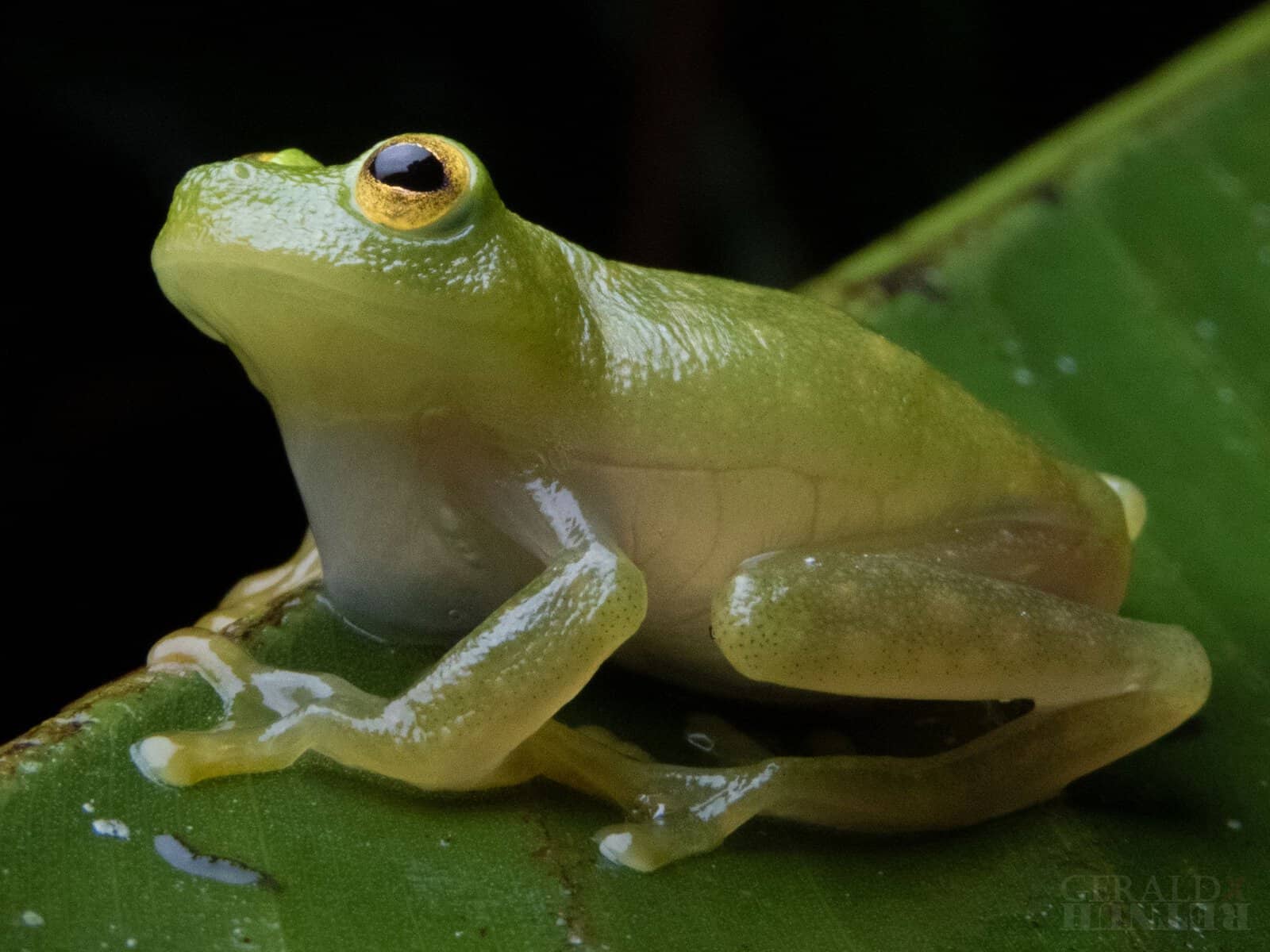
A wildlife survey in one of Costa Rica’s busiest urban areas has added 60 new species records to a local inventory, showing that birds, bats, mammals and other animals continue to find places to live among factories, roads and residential neighborhoods. The findings come from a biodiversity monitoring project carried out during 2025 in green spaces surrounding Heineken Costa Rica’s facilities in Heredia.
The results, reported this month, offer a closer look at the wildlife living within the Cubujuquí Interurban Biological Corridor, an area designed to help animals move between patches of natural habitat in developed communities. The survey documented 83 bird species, 12 bat species, nine other land mammal species, 12 reptile species and six amphibian species. Researchers also recorded insects belonging to 45 different families.
The 60 new records represent animals added to the local inventory, not species that were previously unknown to science. The findings also do not necessarily mean that wildlife populations are growing. Instead, they show how much biodiversity can go unnoticed in areas where people live and work.
The research is part of Eco-Conexión Urbana, a project that began in 2024 with the goal of understanding and protecting wildlife in and around industrial properties. The initiative has involved biologists from Costa Rica’s National University, along with company employees and other conservation partners.
One of the most interesting findings was the importance of water. Green spaces located near rivers, streams and other bodies of water supported a greater variety of wildlife than some of the other areas studied. That information could help guide future efforts to protect natural areas within Heredia, where urban development has divided forests and other habitats into smaller sections.
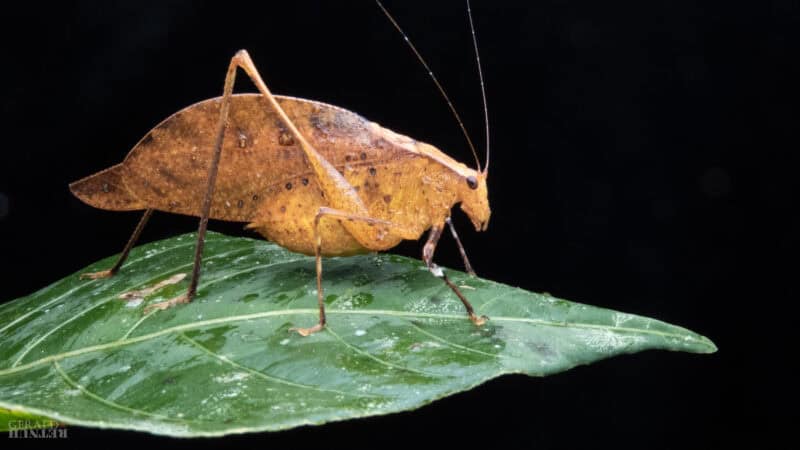
The Cubujuquí Biological Corridor was established to help address that problem. Covering more than 230 square kilometers (89 square miles) across parts of Heredia and Alajuela provinces, it brings together rivers, wooded areas, parks and other green spaces that can provide food, shelter and routes for wildlife.
Unlike a national park, the corridor includes neighborhoods, businesses, farms and industrial areas. The idea is to protect and reconnect natural spaces without requiring the surrounding communities to remain undeveloped. The latest findings show why even relatively small green areas can matter.
Birds and bats help spread seeds and pollinate plants, while insects play an important role in maintaining healthy ecosystems. Reptiles and amphibians also contribute by feeding on insects and other small animals. Protecting these different groups helps maintain the natural processes that allow plants and wildlife to survive.
The monitoring project also involved local participation. A total of 117 volunteers took part in activities that included birdwatching and recording wildlife observations. Their work helped gather information about the animals living in the area while introducing more people to conservation efforts taking place close to home.
The broader Cubujuquí corridor has already attracted attention from birdwatchers and conservation groups. During a separate bird count in April, participants recorded 183 bird species across 15 routes throughout the corridor. That count covered a much larger area than the Heineken monitoring sites, but it offered another indication of the variety of wildlife found in the urban and suburban landscape surrounding Heredia.
The next stage of Eco-Conexión Urbana will focus on expanding wildlife monitoring, identifying places where natural habitats could be better connected and developing additional environmental education activities. The project also plans to continue working with conservation organizations, researchers and local communities to improve the management of green spaces.
For Costa Rica, known internationally for its national parks and rainforests, the Heredia findings offer a reminder that protecting wildlife does not always require traveling to remote forests. Some of that wildlife is already living in the green spaces alongside our cities, businesses and neighborhoods.





