

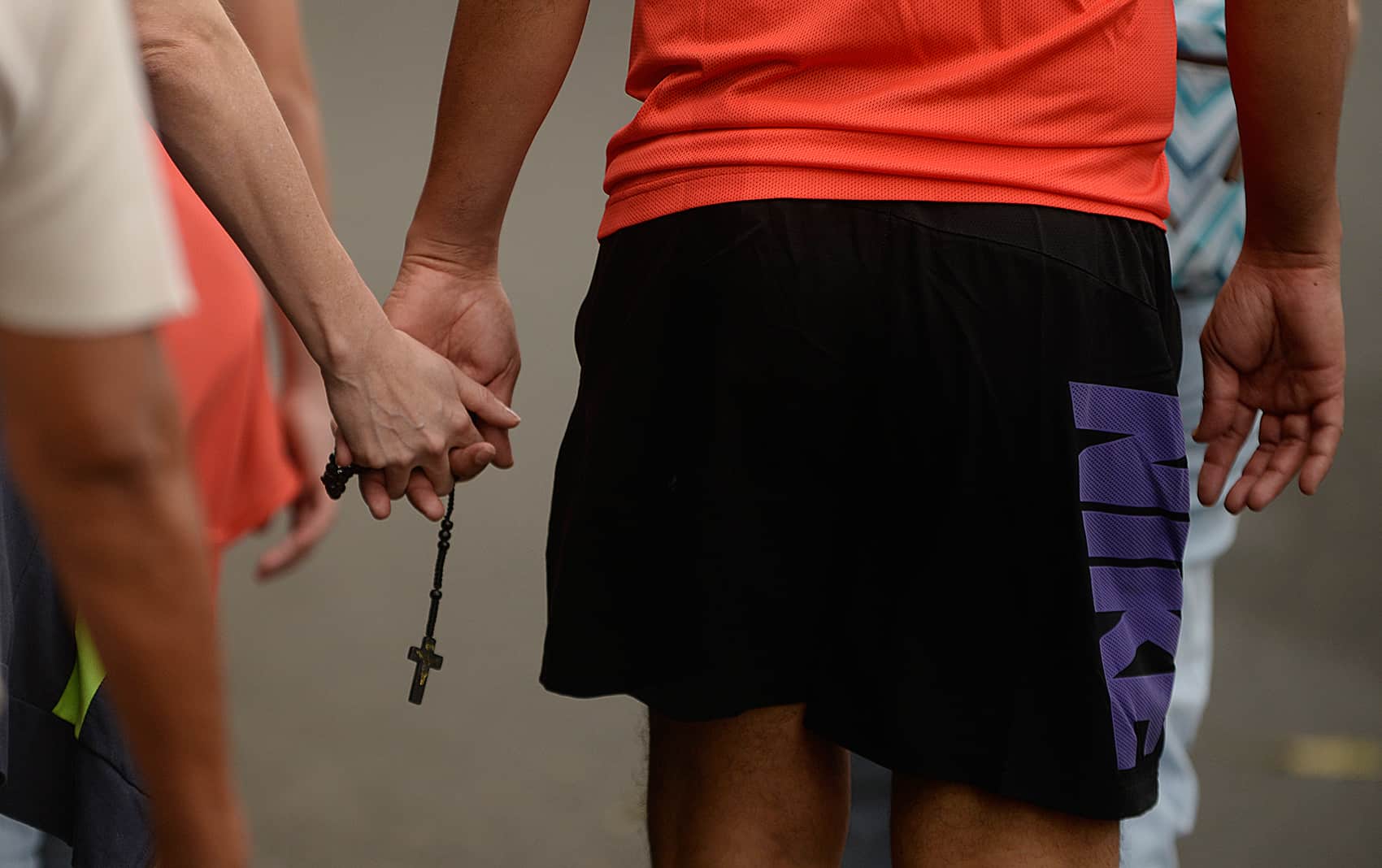
Today, thousands of pilgrims from across Costa Rica are arriving at the Basilica of Our Lady of the Angels in Cartago. They come on foot, some from nearby towns and others from distant provinces, to honor the Virgin of Los Ángeles, affectionately known as La Negrita.
This annual pilgrimage, called La Romería, is one of Costa Rica’s most important religious and cultural traditions. It brings together people of all ages and backgrounds who share a common purpose: to pay tribute to our patron saint. The event is more than a religious obligation. It is an expression of faith, gratitude, and unity that has connected generations for nearly 400 years.
The Story Behind La Negrita and the Pilgrimage
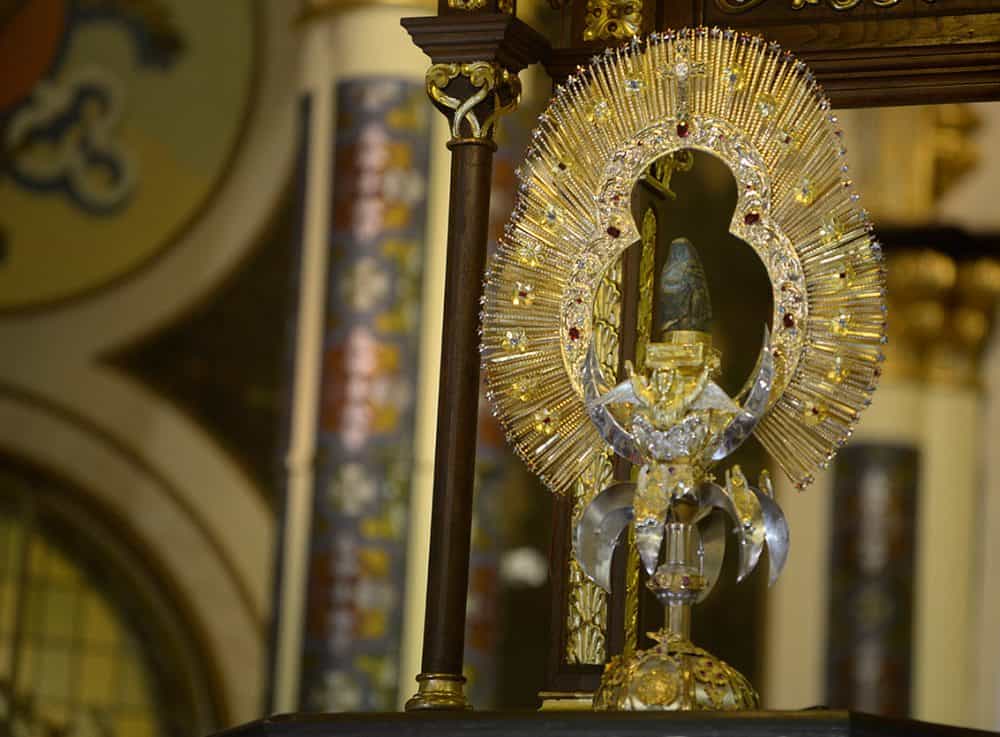
The story of La Negrita dates back to August 2, 1635. According to tradition, a woman named Juana Pereira discovered a small, dark-colored statue of the Virgin Mary holding the baby Jesus on a rock near a spring in Cartago. She took the statue home, but each time she placed it somewhere safe, it would vanish and reappear on the same rock where she had first found it.
Perplexed, she brought the statue to the local priest, but the same thing happened again. The community interpreted this as a sign that the Virgin wanted a temple built on that very spot. A small chapel was erected there, and over time, devotion to La Negrita spread throughout Costa Rica. By 1824, the Virgin of Los Ángeles was declared the nation’s patron saint. The current Basilica, built in the early 20th century, now stands on the site where Juana Pereira made her discovery.
Inside the Basilica, the small statue is displayed above the altar, while the original rock where it was found rests in a crypt below. Next to it, a spring flows with water that many believe has healing properties. Pilgrims often collect it in bottles or drink it as part of their visit.
Since the late 19th century, La Romería has drawn massive crowds. Each year, close to two million people—nearly half the population of Costa Rica—make their way to Cartago. Some walk from San José, a distance of about 22 kilometers. Others travel from as far away as Guanacaste or Puntarenas, often beginning their journey several days in advance.
Many pilgrims walk in groups with family and friends. Some come to give thanks for a blessing received, such as recovery from illness or the safe return of a loved one. Others walk with petitions, asking La Negrita for help in overcoming personal struggles. Along the route, strangers offer water, food, or words of encouragement to those passing by, turning the event into a national act of solidarity.
For some, the devotion is deeply personal. Many pilgrims enter the Basilica on their knees, covering the final stretch in a gesture of humility and reverence. Others leave behind small metal tokens called ex-votos, which are shaped like body parts to represent healed injuries or illnesses. The walls of the Basilica’s crypt are covered with these offerings, silent testimonies to generations of answered prayers.
The Romería begins in late July with a nine-day novena of prayers and religious services held in parishes across the country. As the days pass, the number of pilgrims on the road increases, with many choosing to walk at night to avoid the heat. By August 1, the roads leading into Cartago are filled with steady streams of people.
On the evening before the feast day, a special ceremony is held in the Basilica, during which the statue of La Negrita is dressed in a new gown. This ritual, performed annually, is one of the most emotional moments of the celebration. At dawn on August 2, the main Mass is held in front of the Basilica. Government officials, church leaders, and thousands of pilgrims attend, filling the plaza and surrounding streets.
Faith and Unity
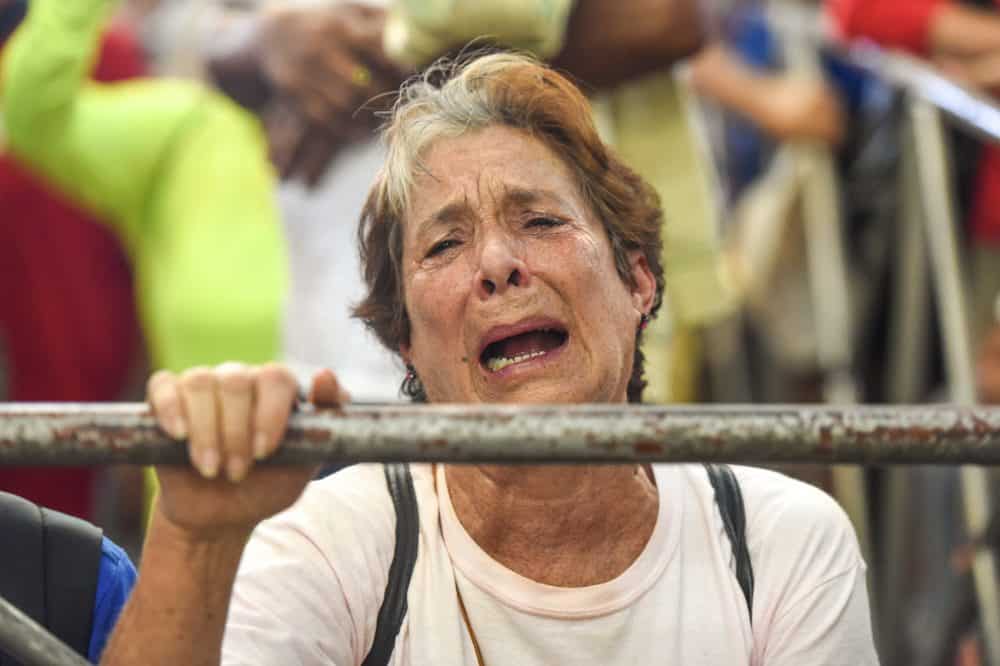
Organizing an event of this scale requires extensive planning. The Catholic Church coordinates religious ceremonies, while government agencies handle logistics. The Red Cross sets up first-aid stations along the main routes to Cartago, offering medical care and water to exhausted pilgrims. Police and transit officers manage traffic and help keep the routes safe.
Trains and buses run special routes to bring pilgrims as close as possible to Cartago before they begin their walk. Portable restrooms, hydration stations, and designated rest areas are placed at key points along the way.
A key part of the pilgrimage experience is visiting the holy spring inside the Basilica. Many pilgrims believe the water from this spring has special properties, particularly for those who are ill or seeking comfort during difficult times. Collecting this water has become a symbolic act, one that connects the faithful to the original story of La Negrita.
Another important tradition takes place after the feast day. Known as the Pasada, this event occurs on the first weekend of September. The statue of the Virgin is carried from the Basilica to Cartago’s cathedral and then returned in a grand procession. Streets are decorated with colorful flower carpets and sawdust designs, and the procession is accompanied by music and community celebrations.
The Romería is as much about community as it is about faith. Along the route, volunteers offer coffee, meals, and a place to rest. Local businesses set up stands selling everything from rosaries to snacks, turning the pilgrimage into a mix of devotion and cultural tradition. Families often walk together, passing the tradition down to younger generations, who grow up watching their parents and grandparents make the annual trip.
Even for those who are not Catholic, the Romería holds cultural significance. It is one of the few moments each year when our country pauses and comes together in a single, shared purpose.
Despite its spiritual importance, the Romería is not without challenges. Pilgrims often walk long distances under difficult conditions. Some develop blisters, exhaustion, or dehydration. Health officials remind walkers to stay hydrated and use proper footwear. Yet, year after year, these hardships do little to deter the faithful.
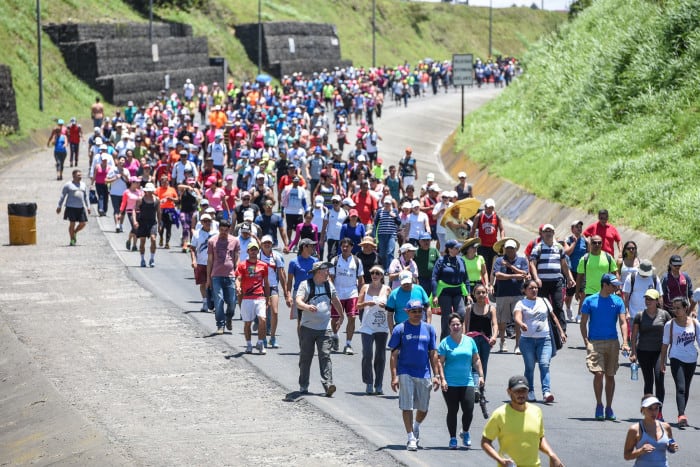
The determination of the pilgrims reflects the deep roots of the tradition. For many, the act of walking itself is a form of prayer. Each step is a way of expressing devotion, gratitude, or hope for something better.
The Romería is not simply an event; it is a national moment of reflection and unity. It is a reminder of how a centuries-old story continues to inspire modern Costa Rica. Today, as the crowds pour into Cartago, the plaza of the Basilica once again becomes a living testament to the power of faith and the endurance of tradition.
For those arriving today, it is the end of a long walk, but it is also a new beginning. Many will leave with a renewed sense of purpose, their faith strengthened by the experience. And in the coming weeks, the image of La Negrita will remain at the center of daily life in Cartago, as it has for nearly four centuries.





