

Panama’s Defensoría del Pueblo stated that reopening a penitentiary facility on Coiba Island could compromise the area’s status as a UNESCO World Heritage site. The office issued the warning after the government transferred 29 high-risk inmates to existing buildings at the Teniente Nelson Tenas naval station inside Coiba National Park earlier this month.
The Defensoría noted that the permanent closure of the old penal colony formed part of Panama’s commitments when it established the national park and secured the UNESCO designation in 2005. Officials at the human rights institute said they understand the government’s security goals but view any reactivation of prison operations as a step that conflicts with the legal framework protecting the site.
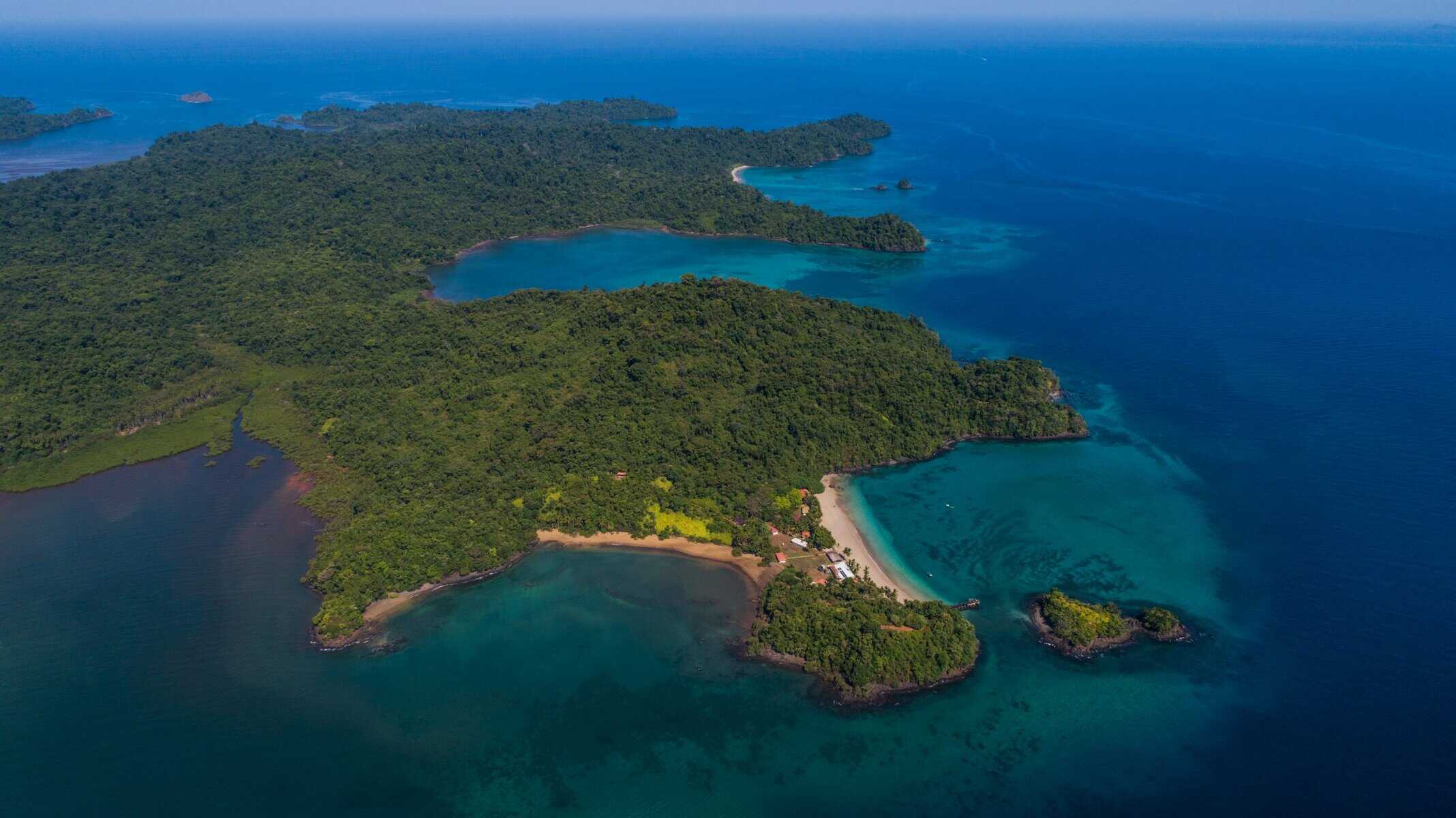
Coiba National Park and its Special Zone of Marine Protection cover the largest island in the Central American Pacific along with surrounding waters. The UNESCO listing recognizes the area’s biodiversity, including endemic species and marine ecosystems. The 2004 closure of the historic penal colony, which had operated for decades, cleared the way for the park’s creation and the international recognition that followed.
The Ministry of Public Security carried out the transfer of the 29 inmates, described as leaders of criminal organizations, from other facilities. The move targets individuals authorities say coordinated illicit activities from within the prison system. The inmates now occupy pre-existing structures at the naval station on the island. President José Raúl Mulino defended the action as a national security measure.
MiAmbiente stated that no new construction or modifications affecting the protected area occurred. The ministry noted that the naval station facilities predate the park and remain under the custody of the Servicio Nacional Aeronaval. It added that it will carry out periodic inspections and that the natural heritage has not been impacted by the transfer itself. The ministry also clarified it does not support establishing a permanent penitentiary center on the island.
The Defensoría cited Ley 44 of July 26, 2004, which created Parque Nacional Coiba. The law required the transfer of remaining prisoners to other facilities by July 2005 at the latest and shifted administration of the former penal buildings and lands to environmental authorities and the park’s governing council. It restricts infrastructure inside the protected area to activities tied to conservation, scientific research, or sustainable ecotourism outlined in the management plan.
The Consejo Directivo del Parque Nacional Coiba requested official information on the scope and conditions of the transfer. Some lawmakers and environmental advocates have questioned whether the use of the site for detention aligns with its protected status and past commitments. The Chamber of Tourism of Veraguas has also expressed concern about potential effects on the island’s reputation as an eco-tourism destination.
Defensoría officials said they will continue monitoring the situation, including any implications for the human rights of the transferred inmates under national law and international standards such as the Mandela Rules. No response from UNESCO on the matter has been reported as of yet.
The transfer forms part of broader efforts by the Mulino administration to address organized crime and prison management challenges. The Defensoría emphasized that security objectives do not override the legal protections established for the park two decades ago.





