

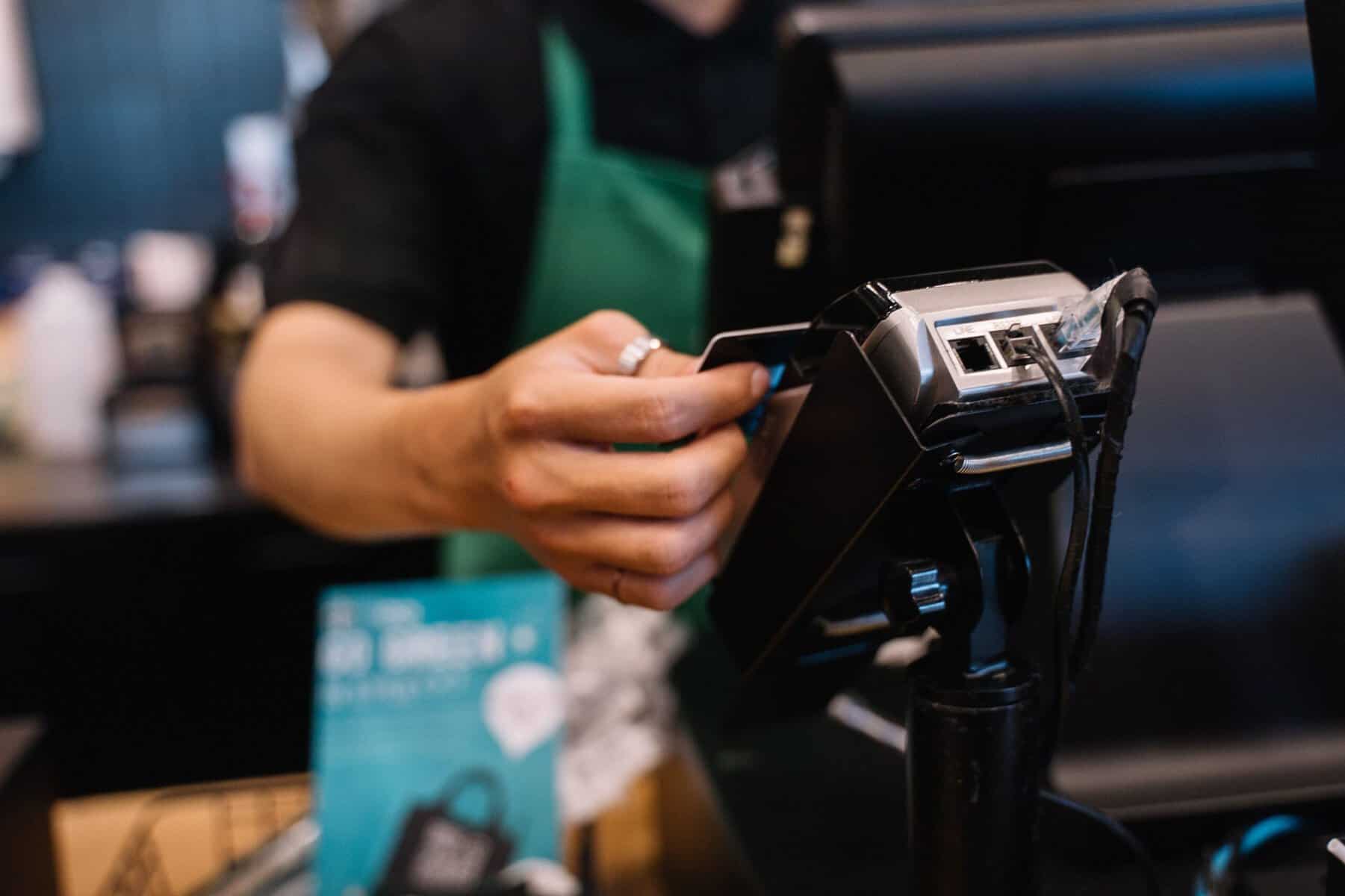
Costa Rica is moving further away from cash, with new figures showing record use of electronic payments across the country. According to the latest payment system data, Costa Rica averaged 498.4 cashless payments per person in 2025, up from 439.2 a year earlier. The shift is much larger when compared with 2010, when the average was just 49.6. In other words, electronic payment use has grown roughly tenfold in 15 years.
The shift is visible almost everywhere: supermarkets, restaurants, public transport, online banking, tourism services, small shops and person-to-person transfers. Card payments and mobile transfers, especially SINPE Móvil, are now part of our ordinary life and increasingly familiar to visitors.
The figures do not mean cash has disappeared. Colones still matter, especially in rural areas, farmers markets, small sodas, beach parking lots, roadside stands and some informal services. But the role of cash is shrinking. The value of bills and coins in circulation represented 3.1% of gross domestic product in 2025, the lowest level in Banco Central de Costa Rica records.
ATM use also shows the change. Cash withdrawals from ATMs have been falling since 2019, as people use debit and credit cards more often for purchases rather than simply using cards to withdraw money. In 2010, each card averaged about 25 cash withdrawals a year. By 2025, that had dropped to 8.3.
Card payments remain one of the clearest signs of the change. Costa Rica had 11.2 million payment cards in circulation in 2025, including 7.8 million debit cards and 3.4 million credit cards. Cardholders made 1.293 billion payment operations with locally issued cards during the year, with debit cards accounting for most of the transactions.
Point-of-sale activity also continued to grow. Businesses in Costa Rica processed 1.403 billion card transactions in 2025, a 23.1% increase from the previous year. The country had nearly 150,000 businesses affiliated with the card payment system and more than 211,000 point-of-sale devices, including mobile POS devices and “tap on phone” applications.
Travelers can now usually rely on cards in hotels, supermarkets, tour offices, restaurants, gas stations and many shops across Costa Rica. Contactless payments are common, and international cards are widely accepted in major tourism areas.
Still, anyone coming here should not treat Costa Rica as fully cashless. Small bills remain useful for tips, taxis that do not accept cards, rural buses, roadside food stops, beach parking, remote communities and places where internet service is unreliable. The safest approach is to carry a modest amount of colones while using cards for most larger purchases.
SINPE Móvil has been one of the biggest drivers of the digital payment shift among residents. The mobile transfer system processed 747.5 million transfers in 2025, 15% more than in 2024. By the end of the year, it had 4.5 million active phone numbers linked to bank accounts, covering more than 3.6 million individuals and nearly 55,000 legal entities.
The rise of digital payments is also reaching public transportation. Costa Rica’s electronic payment system for buses and trains processed 35.4 million public transport fares in 2025. Train passengers used electronic payment for 51% of fares, while buses in the Greater Metropolitan Area continued adding validators for card and contactless payments.
The trend carries benefits for both businesses and consumers. Digital payments reduce the need to handle cash, make transactions easier to track, and can lower theft risks for stores, drivers and service providers. For small businesses, card and mobile payments can also reduce missed sales from customers who no longer carry much cash.
The shift also raises questions. Some small merchants complain about commissions, tax reporting concerns, equipment costs or connectivity problems. Older adults and people without full access to banking services may also face barriers as more transactions move online or onto cards.
Keep in mind, Costa Rica is not eliminating cash, and many people still prefer it for small purchases. But the direction is clear. Payment habits here have changed sharply over the past decade, and the latest figures show that electronic payments are no longer a secondary option. They are now the main way many of us move money through our daily life here.





