

The recent fall in global oil prices has raised hopes that gasoline and diesel costs may ease after months of pressure tied to conflict in the Middle East and volatility in the international fuel market. For residents, anyone who rents a car, tour operators and transportation businesses, any reduction would be welcome. Fuel has become one of the most visible costs in daily life and travel around the country.
But Costa Rica’s fuel system (like many other countries) does not move overnight. Prices at gas stations are regulated and adjusted through a monthly process. That means a drop in oil prices today is not automatically reflected at the pump tomorrow.
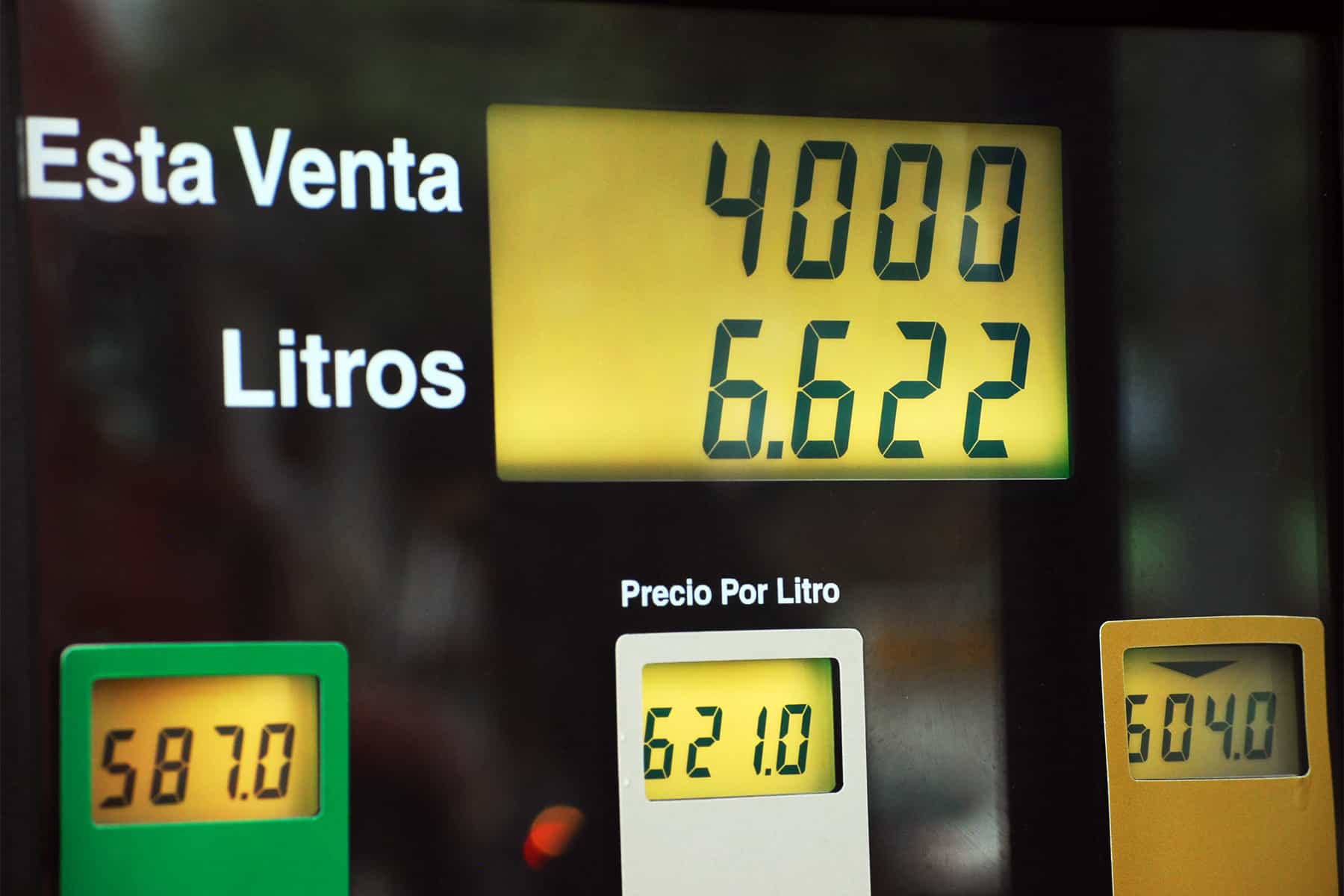
The current prices, in effect since June 3, are ₡753 per liter for super gasoline, ₡756 for regular gasoline and ₡670 for diesel. Those prices followed a mixed adjustment: super and regular gasoline increased, while diesel fell.
The next adjustment, expected for early July, may offer little immediate relief. Preliminary figures sent for review show super gasoline rising by about ₡3 per liter, regular gasoline falling by only ₡1 and diesel increasing by ₡13. Those numbers were based on international fuel prices recorded between May 8 and June 11, before the latest sharp decline in oil markets.
That timing matters here as the global drop reported this week may be more likely to affect a later monthly review if lower prices hold. In practical terms, Costa Rica drivers may have to wait until a late-July or August adjustment before seeing any clear benefit at gas stations.
Costa Rica imports finished fuel products, including gasoline and diesel, rather than refining its own crude oil for local use. For that reason, local prices are shaped by the international price of those finished products, not only by the headline price of crude oil. The exchange rate also matters because fuel is bought in dollars and sold in colones.
That is why pump prices do not always follow oil prices in a simple straight line. A lower oil price helps, but the final price in Costa Rica also includes the fuel tax, service station margins, transportation costs, Recope costs and other regulated components. Some parts of the price move with the market. Others do not.
For vacationers, the main impact is on road trips. Anyone renting a car for routes such as San José to La Fortuna, Guanacaste, Manuel Antonio, Monteverde or the southern Pacific should not expect rental prices themselves to change because of one monthly fuel adjustment. The direct effect is on the cost of filling the tank.
For those of us who live here, the issue goes beyond private cars. Fuel prices influence household budgets, delivery costs, school transport, private shuttles, small businesses and rural travel. Diesel is especially important for buses, trucks, tourism transport and many operators moving supplies or guests across longer distances.
Tourism businesses are watching the same numbers. Shuttle companies, fishing charters, boat tours, surf schools, adventure operators and hotels with transport services all face higher operating costs when fuel stays elevated. A sustained drop would give some breathing room, especially for businesses working with advance bookings and fixed package prices.
Public transportation prices, however, do not usually move immediately with each fuel adjustment. Bus and taxi prices are also regulated, and changes depend on separate procedures. That means cheaper fuel, if it arrives, may help operators before passengers see any direct fare change.
The bigger question to ask is whether the oil price decline lasts. Markets have been reacting to signs of easing geopolitical tension and possible improvements in global supply routes, but the same market has been unstable for months. If prices rise again before the next Costa Rica calculation period, any expected relief could shrink or disappear.
The global price drop improves the outlook, but Costa Rica’s regulated system means lower international prices take time to reach local gas stations. July may still bring only minor movement, or even a small increase for some fuels. The first real test will come in the next monthly filing, when the recent decline has had more time to show up in the data used to set local pump prices.





