

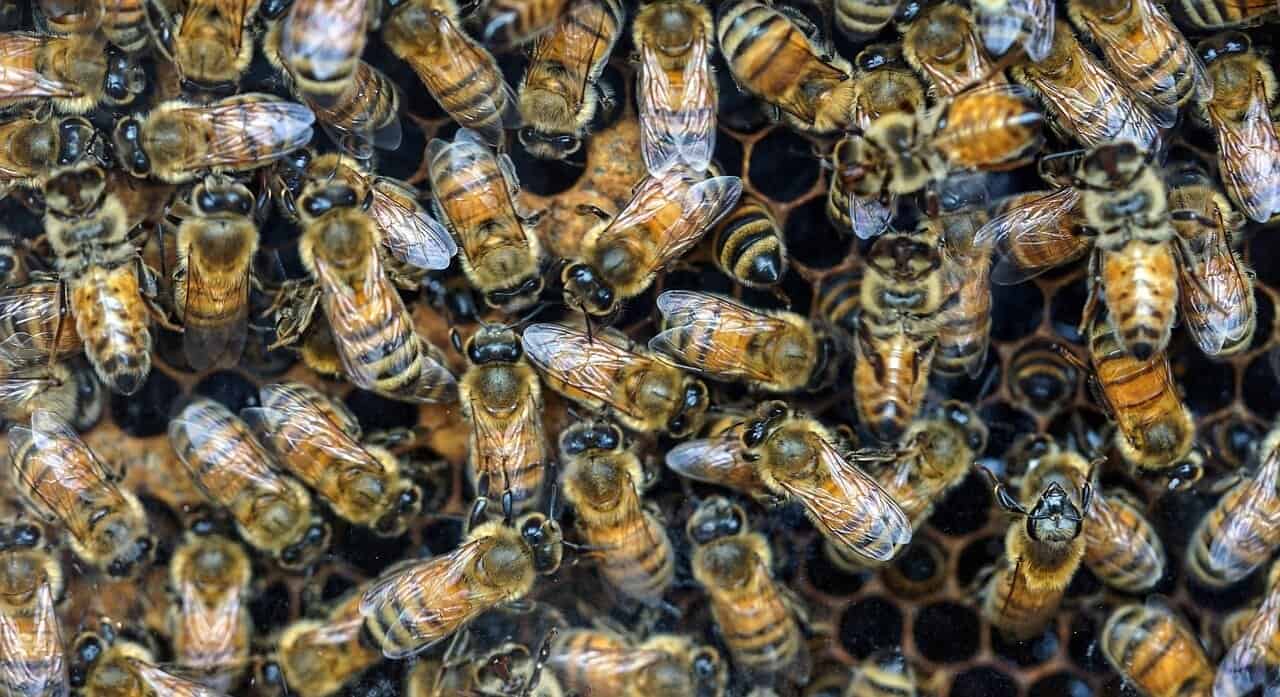
Costa Rica’s beekeeping sector is raising alarm after APIPAC, the Association of Beekeepers United of the Central Pacific, estimated that pesticide exposure has killed about 18 million bees in the region so far this year. The figure is not just a loss for beekeepers. It points to a larger problem for agriculture, food production and Costa Rica’s environmental reputation.
According to APIPAC, one recent poisoning case affected 80 hives in an apiary located between La Ceiba de Orotina and Bajamar de Garabito. Preliminary analysis linked the deaths to fipronil, a pesticide known for its high toxicity to bees. The association said the Central Pacific has recorded about 300 affected hives since January, with estimated economic losses near ₡30 million.
Costa Rica uses pesticides at one of the highest rates per hectare in the region. Research based on FAO data has placed the country at more than 20 kilograms of active pesticide ingredients per hectare annually for much of the past two decades. That heavy use has long created tension between large-scale agriculture and the country’s image as an environmental leader.
The insecticides most often associated with bee deaths include neonicotinoids, which affect the nervous systems of insects, and fipronil, which has been the subject of repeated complaints from beekeepers. Costa Rica signed a decree in March to gradually remove agricultural products containing fipronil from the market, but the process will take time. Importation, sale and use remain possible under regulated conditions during the first stage of the transition.
For beekeepers, that timeline is not fast enough.
The losses reported this year are part of a wider pattern. Beekeepers have warned for years that pesticide exposure is damaging hives, reducing honey production and weakening pollination across agricultural areas. APIPAC said the damage also reaches wild bees living in natural nests, which support biodiversity and pollinate plants outside commercial apiaries.
The economic consequences are already visible. Costa Rica was once a honey exporter. Today, the country imports honey from Guatemala and El Salvador to meet domestic demand. National production ranges between 600 and 1,000 tons of honey annually, far below the estimated production potential of about 5,000 tons.
That gap represents lost rural income, lost export revenue and a weakened beekeeping industry.
The issue reaches well beyond honey. Bees and other pollinators help sustain fruit, vegetable and tropical crop production. When bee populations decline, pollination falls with them. That can reduce yields, raise production costs and weaken the same agricultural system pesticides are supposed to protect.
The policy debate is not hard to understand. Beekeepers and environmental groups want tighter limits on fipronil and neonicotinoids, especially near flowering crops, forest edges and known pollinator habitat. They also want stronger enforcement against illegal or careless pesticide use, faster responses to poisoning reports and more support for beekeeping as an agricultural activity.
The European Union moved in 2018 to ban outdoor use of three major neonicotinoids because of risks to bees. Costa Rica has now started moving against fipronil, but the country still faces pressure to go further and faster. A national apiculture plan with real government support could help the sector recover. Education campaigns, reforestation with flowering species, stricter pesticide controls and better monitoring of wild swarms would all help reduce the long-term damage.
The 18 million bees reported dead are not only a beekeeping problem. They are an agricultural problem, a food production problem and a credibility problem for a country that sells itself abroad as green. The pesticide industry will argue that chemicals are needed to protect crop yields. Costa Rica now has to answer a harder question: how much production is being protected if the pollinators that sustain that production are being destroyed?
The numbers do not favor inaction.





