

Costa Rica’s new government is looking to expand tourism beyond our country’s best-known destinations, with the Caribbean and Southern Region emerging as two of the main targets under President Laura Fernández. Fernández, who took office on May 8, has assigned Marcos Borges, the new executive president of the Costa Rican Tourism Institute, the task of advancing tourism development in both regions.
Borges takes over ICT at a time when Costa Rica is trying to remain competitive while spreading more of tourism’s benefits outside Guanacaste, the Central Valley, and the Central Pacific. The push builds on two master plans published during the tenure of former Tourism Minister William Rodríguez. The plans focus on identifying areas with stronger tourism potential where public investment, municipal planning, and private-sector projects could work together.
In the Caribbean, one of the main problems is connectivity. Visitors heading to Tortuguero often have to travel through Pococí and Guápiles, then continue by boat. Reaching another Caribbean destination can mean retracing much of the same route before moving on. Rodríguez said that model is impractical for tourism and that the region needs better connections, not only by river, so visitors can move more easily across the Caribbean.
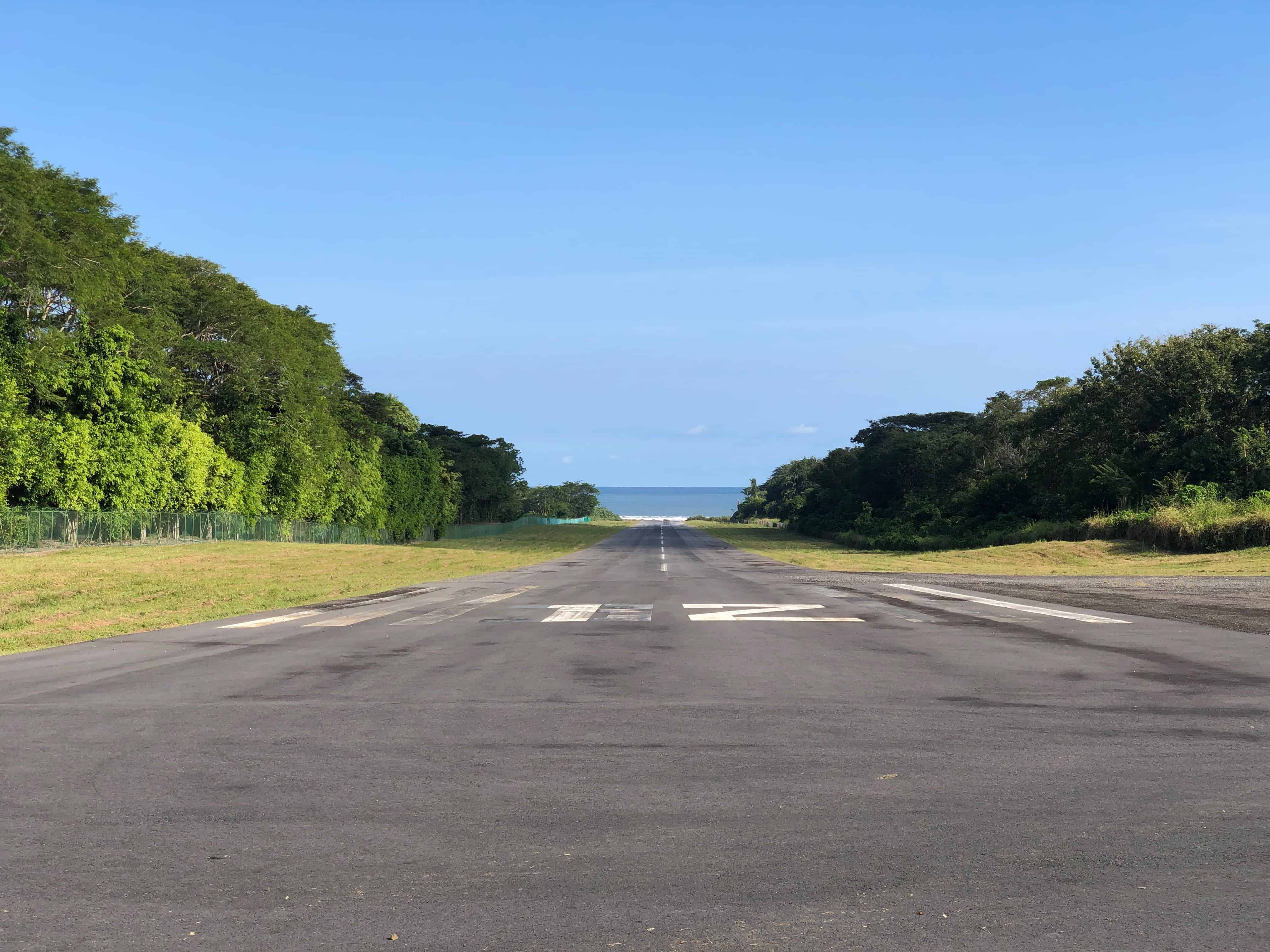
The Caribbean Master Plan proposes eight enabling projects, including improvements to the Tortuguero airfield. It also points to the need for greater investment in Limón, a city that still lacks a clear tourism identity compared with Talamanca’s beach reputation and Parismina’s adventure and jungle appeal.
But the plan depends heavily on local government action. Rodríguez emphasized that municipalities must approve their zoning plans before many of the proposed projects can move forward. Without that planning framework, large-scale tourism development remains limited.
The same approach is being applied in the Southern Region, especially in the Brunca area, where officials see long-term potential in areas such as Puerto Jiménez, Osa, Golfito and Coto Brus. Rodríguez described the South Pacific as one of the future centers of Costa Rican tourism and said Coto Brus could eventually develop into a destination similar to Monteverde.
The goal is to “level the playing field” by bringing more tourism development to parts of the country that have not received the same level of investment as other regions. Officials also see tourism as a way to support jobs, local businesses, transportation services, lodging, restaurants and other economic activity tied to visitors.
The plans also reflect changes in travel behavior after the pandemic. Long bus transfers are less attractive to many visitors, making air access, regional routes, and easier local transportation more important for destinations far from San José.
That is why airport infrastructure sits at the center of both plans. In Limón, officials say the international airport needs to be expanded because it currently receives few flights from abroad. Studies are underway to determine water depths near the current terminal area, and expansion work is expected to begin in 2027. Before that happens, authorities must decide whether to keep the runway’s current alignment and whether Route 36, which connects Limón with Sixaola, needs to be modified because of its proximity to the landing strip.
The Southern Region faces an even earlier stage of development. There is still no international terminal, only planning work tied to the proposed South Pacific International Airport. A terminal is planned for Sierpe de Osa, but land issues and expropriations remain among the matters that must be resolved before major work can begin.
The southern airport proposal has also drawn scrutiny because of its location near environmentally and culturally sensitive areas. Earlier reporting on the project noted concerns related to wetlands, archaeological review, land disputes, and the balance between economic development and conservation in the Osa region.
For the Fernández administration, the tourism strategy is both an economic and political test. The Caribbean and Southern Region have long been promoted as areas with major potential, but both face familiar barriers: weak infrastructure, uneven planning, limited air access, and the need to protect the natural assets that make them attractive in the first place.
The new government now has to decide how quickly it can move from planning to execution. For residents and tourism businesses in Limón, Osa, Golfito, Coto Brus and surrounding communities, the question is not whether these regions have potential. It is whether the public works, airport projects, zoning plans and private investment needed to support that growth will finally arrive.





