

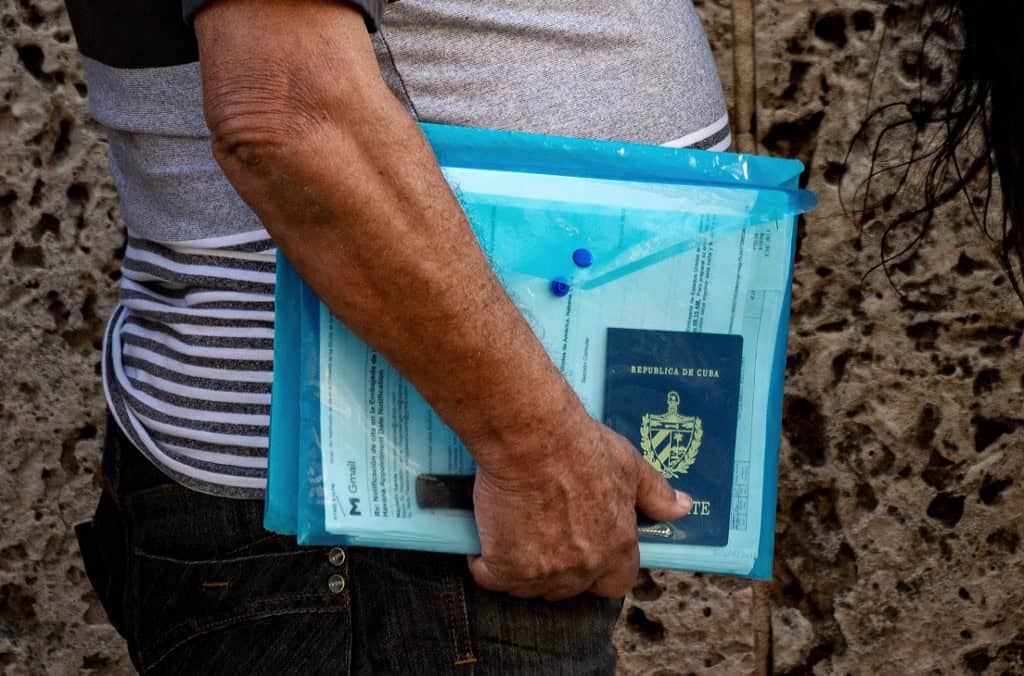
Nicaraguan citizens who apply for U.S. visitor visas will need to post a bond of $5,000, $10,000 or $15,000 starting April 2. The U.S. State Department announced the change on March 18. Nicaragua joins 11 other countries in an expansion that now covers 50 nations total whose nationals must meet the requirement if consular officers find them otherwise eligible for B1 or B2 visas for business or tourism.
Grenada, the eastern Caribbean island nation, also joined the list alongside Cambodia, Ethiopia, Georgia, Lesotho, Mauritius, Mongolia, Mozambique, Papua New Guinea, Seychelles and Tunisia. The program targets countries with higher overstay rates.
The State Department says nearly 1,000 people have already received visas under the existing rules, and 97 percent of those who posted bonds returned home on time. In contrast, more than 44,000 visitors from the current group of countries overstayed during the final year of the previous administration, according to department figures.
The bond works as a refundable deposit. Applicants receive directions from the consular officer during the visa interview. They then complete Department of Homeland Security Form I-352 and pay through the official Treasury Department platform Pay.gov. Officials warn against using any third-party sites.
The money returns automatically if the traveler leaves the United States by the authorized date, never travels before the visa expires, or faces denial at a port of entry. If the visa holder overstays or breaches other terms, the bond may be forfeited and the case referred to U.S. Citizenship and Immigration Services.
All bonded travelers must enter and exit the United States only through designated commercial airports, including preclearance locations. Land borders, sea ports, charter flights and general aviation are not allowed. Officials say this rule helps ensure proper tracking of departures.
The requirement applies to anyone holding a passport from one of the listed countries, no matter where they submit the application. It does not guarantee visa approval. The bond sits in addition to standard visa processing fees.
Nicaragua appears on the list because of its B1 and B2 overstay rates reported by the Department of Homeland Security. The same factors guided the selection of other nations already in the program, including Cuba, Venezuela, Antigua and Barbuda, and Dominica from the Western Hemisphere.
The visa bond pilot launched in August 2025 and runs through August 2026. The State Department can add or adjust countries based on updated immigration risk data.
Travelers from Nicaragua planning trips after April 2 should prepare for the extra step at the embassy or consulate. Consular officers set the exact bond amount—$5,000, $10,000 or $15,000—during the interview.
The full current list of 50 countries and their effective dates is available on the State Department’s travel website. Applicants can find instructions there on the Form I-352 process and payment rules. No changes apply to visas already issued before April 2. The department has not announced further expansions beyond the current pilot.





