

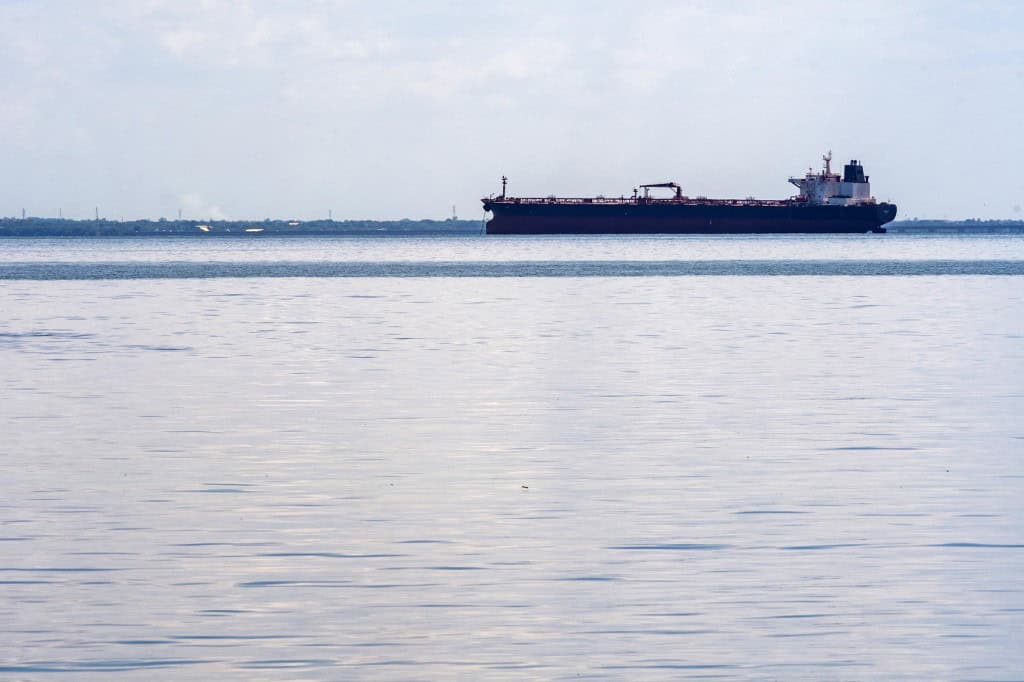
United States forces intercepted a second oil tanker in international waters off Venezuela’s coast on Saturday, escalating tensions in the Caribbean as President Donald Trump enforces a new blockade on sanctioned vessels. The Panama-flagged tanker, carrying crude oil from Venezuela, was stopped by the US Coast Guard with military support, according to reports from US officials and Venezuelan oil sector sources.
The vessel had left Venezuelan ports recently and was traveling through Caribbean waters when boarded. This action follows Trump’s announcement earlier this week of a full blockade on all sanctioned oil tankers entering or leaving Venezuela. In a Friday interview, Trump left open the option of military conflict with Venezuela, stating he would not rule out war.
Venezuelan President Nicolás Maduro condemned the prior seizure on December 10 as “naval piracy.” That operation involved a large tanker allegedly transporting sanctioned oil to Iran, as stated by the US attorney general. Maduro rejects US claims that he runs a drug-trafficking operation, which Washington uses to justify expanded economic and military pressure on Caracas.
US officials, speaking anonymously to media outlets, described Saturday’s interception as part of ongoing efforts to disrupt illicit oil trades. The White House, Pentagon, and Coast Guard offered no immediate comments when contacted.
For months, the US has increased its military presence in the Caribbean, focusing on anti-drug operations but with clear attention on Venezuela. Since September, US forces have conducted airstrikes on suspected drug vessels in the Caribbean and eastern Pacific, resulting in over 100 deaths. Legal experts have raised concerns about these strikes’ compliance with international law.
The blockade targets Venezuela’s oil exports, a key revenue source for Maduro’s government amid severe sanctions. Venezuela holds the world’s largest proven oil reserves, but production has fallen sharply due to economic mismanagement and restrictions.
Regional observers note the moves heighten instability in Latin America. Costa Rica, which shares maritime boundaries in the Caribbean, monitors developments closely, given potential effects on shipping routes and refugee flows from Venezuela. Over 7 million Venezuelans have fled the country since 2014, with thousands settling in Costa Rica.
Trump’s policy continues his administration’s hardline stance. In 2020, during his first term, similar interdictions occurred, but the current escalation marks a sharper approach. US indictments accuse Maduro and allies of narcoterrorism, offering rewards for their capture. Venezuelan media reported the latest seizure first, citing local sources. International outlets confirmed details, including the tanker’s flag and cargo. It remains unclear if this vessel specifically violated US sanctions, but authorities plan to inspect it fully.
Maduro’s administration vows to resist, calling the blockade an act of aggression. In a statement, Venezuelan officials urged the international community to denounce US actions as violations of sovereignty. The US defends the operations as necessary to combat transnational crime. A senior official told reporters the blockade aims to cut off funding for Maduro’s regime, which allegedly uses oil sales to support illegal activities.
As interdictions rise, shipping companies reroute vessels to avoid the area. Analysts predict higher global oil prices if Venezuelan exports drop further, affecting markets in Europe and Asia. Costa Rican Foreign Minister Rodolfo Solano expressed concern over regional security in a recent briefing, emphasizing dialogue over confrontation. “We support peaceful resolutions,” Solano said, without directly addressing the US actions.
The situation unfolds against broader US-Venezuela friction. Trump has recognized opposition leader Juan Guaidó as interim president since 2019, though Guaidó’s influence has waned. With the second seizure in under two weeks, the blockade tests international maritime norms. Legal scholars argue operations in international waters must follow strict protocols to avoid piracy claims.
Venezuela’s economy, already in crisis with hyperinflation and shortages, faces more strain. Oil accounts for 95% of export earnings, making the sector a prime target. US forces plan to maintain patrols, with naval assets deployed across the region. Saturday’s interception signals the blockade’s immediate enforcement.
Officials expect more actions as Trump pushes his agenda. Maduro, in power since 2013, shows no signs of yielding, setting the stage for prolonged standoff.





