

A judge in Sequatchie County, Tennessee, moved forward with charges against two men accused in the death of Silvia Gabriela Vílchez Mora, a 50-year-old Costa Rican who authorities say died from blows with a baseball bat before her body burned in a backyard pit. The preliminary hearing yesterday laid out evidence that points to a family dispute turned fatal, with the victim’s son confessing to the attack.
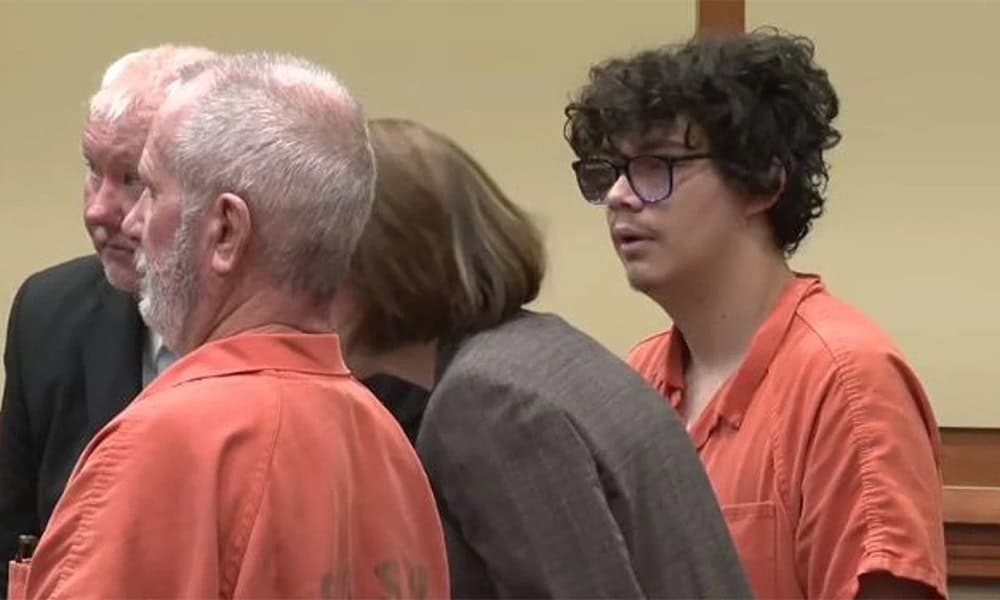
David Gardiner, 64, Vílchez’s husband, stood before the court and rejected any role in the killing. He claimed no part in the violence or the attempt to hide the body. The judge set his bond at $250,000, allowing potential release if paid, while her son, Gabriel Vílchez, 18, stayed in custody without bond. Prosecutors presented details to show probable cause, sending the case toward a grand jury.
The hearing revealed a grim sequence of events starting late October. On October 28, deputies from the Sequatchie County Sheriff’s Office checked the family’s home in Lewis Chapel after reports of Vílchez missing. Gardiner and Gabriel first told officers she had traveled back to Costa Rica. That story fell apart when a phone trace placed her device at the residence.
Two days later, on October 30, a search warrant turned up signs of violence. Red stains covered the carpet, walls, a desk, and family photos—believed to be blood. A vacuum cleaner held liquid that matched. Outside, in a wooded area behind the house, searchers found burned human remains in a fire pit and scattered in the brush. Forensic experts confirmed the bones belonged to Vílchez. Her phone surfaced in a small fish pond on the property.
Gabriel confessed in a recorded interview. He admitted striking his mother multiple times with a baseball bat as Gardiner watched. Together, they dragged her body to the pit and set it alight, according to the statement. Both face first-degree murder and abuse of a corpse charges. Sheriff Bill Phillips called the site an clear crime scene, with the investigation still early but focused on piecing together motives.
Vílchez is from Costa Rica, where she grew up in areas like San Rafael de Heredia and Santa Bárbara de Heredia. She left our country over 15 years ago, seeking better prospects in the United States. Family members recall her as devoted to home life, without steady work back home. She had separated from two prior partners, leaving a daughter in Alajuela. Her marriage to Gardiner, a man of German roots who became a U.S. citizen, stayed low-key; few relatives knew details.
A nephew, Olman Mena, shared memories of family strains that predated the crime. He described Gabriel as troubled, with aggressive tendencies that prompted school alerts to Vílchez. Mena, Gabriel’s godfather at baptism, noted the boy’s difficult ties to his biological father and hardships in Costa Rica that led Vílchez to take him abroad. “She raised him and gave him everything,” Mena said, expressing shock at the outcome.
Neighbors in Tennessee echoed the surprise. One woman, whose daughter befriended Gabriel, said he often visited and seemed ordinary. “We never thought this could happen,” she told local media. The community saw the family as close, with no outward signs of trouble.
The case highlights the potential risks for Costa Ricans abroad, joining other tragic losses like that of Daniska Sibaja years earlier. Relatives here push for justice, monitoring developments from afar. As the legal process continues, questions linger on what drove the attack—mental health issues, family tensions, or something else authorities have yet to reveal.
Prosecutors aim to build a solid case, with arraignments set and more hearings likely. For now, Gardiner awaits bond payment, while Gabriel remains behind bars. The family in Costa Rica mourns, holding onto memories of Vílchez as a caring mother caught in a unforeseen horror.





