

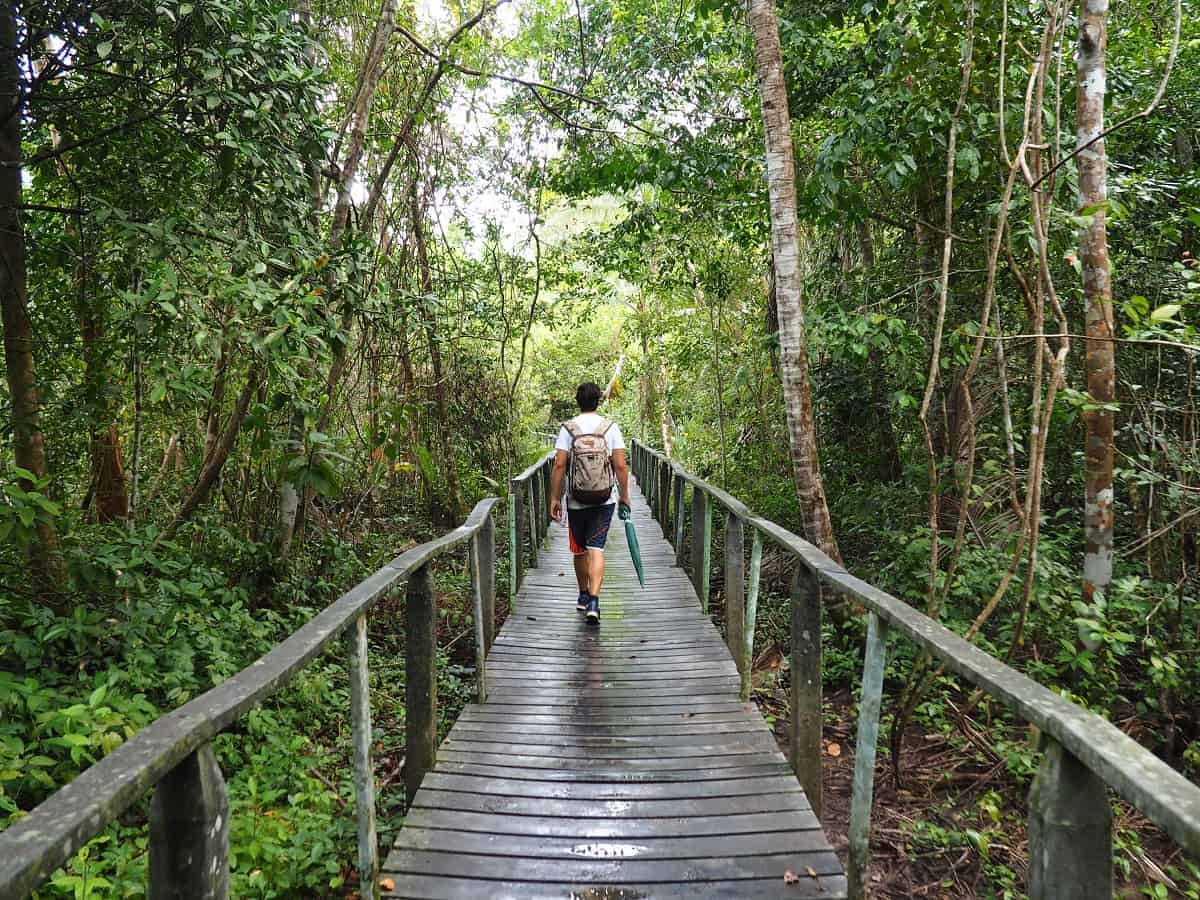
Costa Rica’s national parks and protected areas face growing threats from budget shortfalls, surging visitor numbers, and climate shifts, according to a recent report from the Universidad Estatal a Distancia (UNED). The study highlights how these pressures weaken conservation work and risk the country’s renowned biodiversity.
The National System of Conservation Areas (SINAC), tasked with managing these sites, operates with limited funds and staff. This shortfall reduces patrols and monitoring, leading to increased illegal activities like poaching, logging, and unauthorized land use. Allan Fernández, head of conservation policy at UNED, pointed out that Costa Rica relies heavily on income from park visits, which also supports local economies. Yet, ongoing cuts hinder effective oversight and quick responses to dangers.
Fernández explained that neglected infrastructure, such as ranger posts and trails, further erodes management quality. Without proper upkeep, these areas struggle to handle daily operations and long-term protection.
Mass tourism adds direct strain. High visitor volumes cause soil compaction, plant loss, and changes in wildlife patterns. Animals like white-faced capuchin monkeys and raccoons now seek food from people, disrupting natural behaviors and raising health risks for both species and humans. Popular sites, including Manuel Antonio and Corcovado national parks, see crowds that exceed sustainable limits, amplifying these impacts.
The UNED report also links climate change to heightened vulnerabilities. Rising sea levels and warmer waters erode coastal habitats, while inland areas deal with more landslides, altered rainfall, and habitat shifts. These changes force species to adapt or relocate, complicating conservation strategies.
To address these issues, the study calls for better coordination between institutions and communities. Fernández stressed the need for stronger environmental governance through public-private alliances, trust funds, and payments for ecosystem services. These steps could secure diverse funding and promote lasting protection models.
Costa Rica’s protected areas cover about 25% of its land, drawing millions of tourists each year and contributing roughly 8% to the gross domestic product through nature-based activities. However, historical budget reductions, including those during the COVID-19 period, have left SINAC under-resourced. A 2021 analysis showed similar cuts led to funding gaps that stalled patrols and maintenance.
Experts warn that without action, the country could lose its edge as a top ecotourism destination. The UNED findings describe conservation as both an ecological and social priority, essential for climate resilience and resource availability. Preserving these ecosystems supports national growth by maintaining the natural assets that fuel tourism and local livelihoods.
Government officials have acknowledged the challenges. Recent discussions in the Legislative Assembly focus on reallocating funds to SINAC, though progress remains slow amid fiscal constraints. Community groups and environmental organizations push for reforms, including visitor caps and entry fees tied to conservation projects.
The report urges immediate steps to balance economic gains with environmental health. By investing in staff, technology for monitoring, and sustainable tourism practices, Costa Rica can protect its parks for future generations. Failure to act risks irreversible damage to the biodiversity that defines the nation.





