

Here are three things that have me feeling grateful. The first is, well, you, for sending so many kind and interesting responses to my first column. I heard from homesick Ticos living abroad, fellow expats in Costa Rica who are as enamored of the country as I am, and people who have never lived here at all but whose Costa Rican parents fed them a steady diet of dichos y refranes since birth.
I also learned a lot from you, as I knew I would, leading to the second thing I’m grateful for: finally understanding the origins of the word tuanis (that classic costarriqueñismo, or so I thought, meaning good, cool, great).
Bear with me here. I learned from a reader’s Facebook comment, followed by a highly rigorous Google search, that the Costa Rican tendency to switch the syllables of its words – primo becomes mopri, fiesta becomes tafies – has its roots in Nicaraguan malespín.
This is a specific type of slang apparently based on a code created by Salvadoran General Francisco Malespín, whose military exploits took him around the region (including to Nicaragua, where he sacked León) and who also served as president of El Salvador in the 1840s. In his code, the syllables of words are rearranged and vowels are switched around: “a” for “e,” “i” for “o,” “b” for “t,” “f” for “g” and “p” for “m,” and vice versa.
At any rate, try this for the word bueno – “b” becomes “t,” “e” becomes “a,” “o” becomes “i.” What does that spell? Yup, tuani, which became tuanis during its southward migration to Costa Rica. It seems that this emblematic Tico word has a fascinating Central American tale to tell.
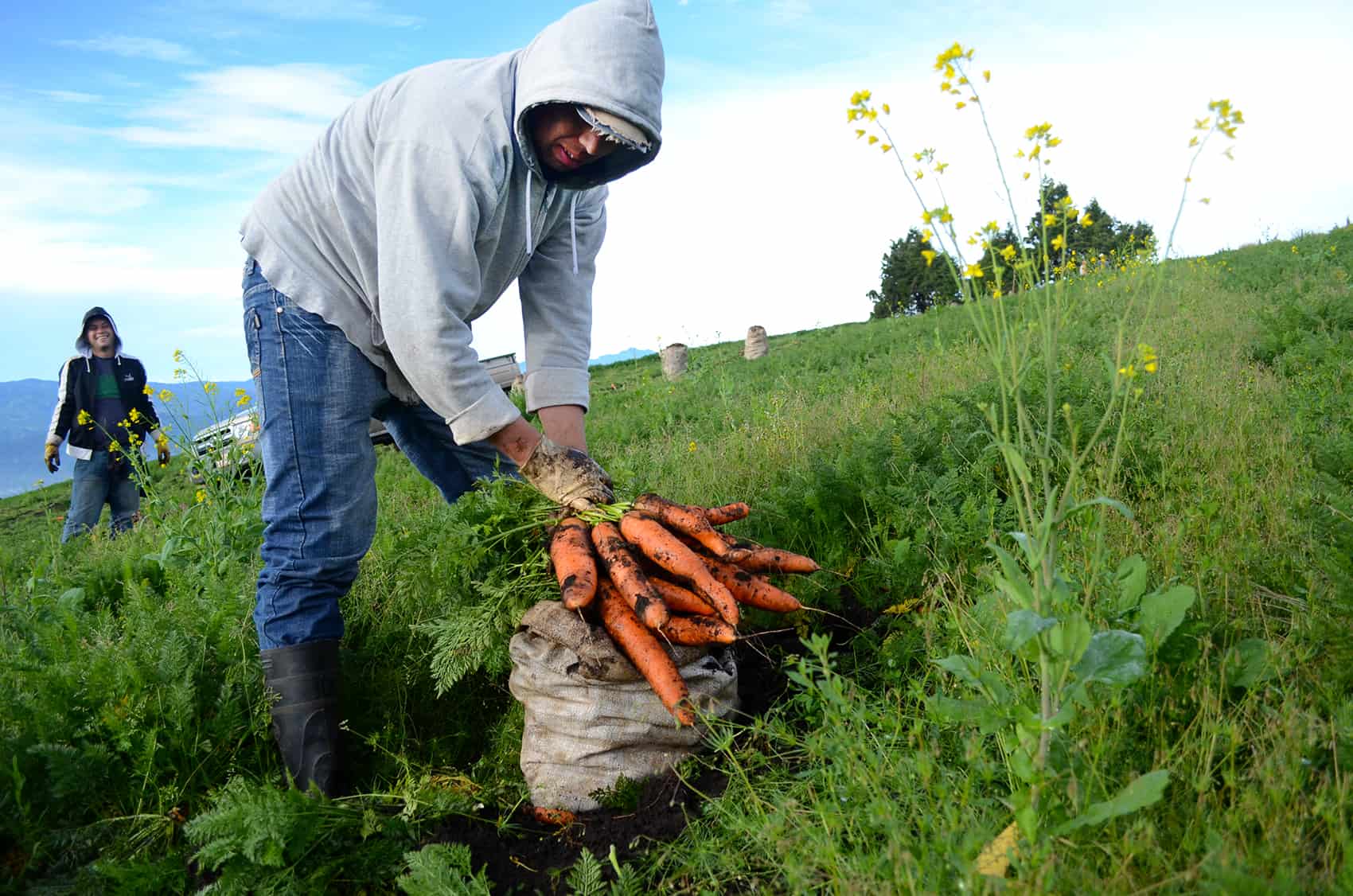
Here’s another classic malespín-ismo. Take the word trabajo (work), switch the syllables around and switch each “a” for an “e,” the “o” for an “i.” You get breteji, eventually shortened to brete, the slang for work that has become one of my favorite words over the past 10 years. Its fascinating origins are only one of the great things about it.
I love its Spanglish-tastic variant, breteanding, and there’s something uniquely satisfying about breteada, a huge mountain of work, as in “Vieras que breteada me pegué anoche.” Just saying it makes you breathe out a little knot of tension: bre-te-AHHH-da. Most of all, however, I love the attitude adjustment the word brete has given me during my time in Costa Rica, because it’s so often tied to the concept of gratitude.
For example, you might hear: “I’d love to stay, but I have so much to do. Mucho brete. Gracias a Dios.”
“I was up all-night working, and now I have a triple shift. I just taped my eyelids open and drank three quarts of coffee. Mucho brete. Gracias a Dios.”
“My boss is the worst. I wouldn’t mind feeding her limb by limb into a woodchipper. But hey, tengo brete, gracias a Dios.”
In a Catholic country, this turn of phrase might be a reflex for many. You can tell that it’s sometimes more of a linguistic habit than a heartfelt sentiment. But as a foreigner and a person who almost never says “Thank God,” it was jarring to me at first – then eye-opening. Over the years, it has become a powerful reality check. In any country, in any culture, those of us with the outrageous good fortune to find employment whenever we need it run the risk of forgetting what a privilege it is to put food on the table.
Those of us who have only known the stress of over-employment forget how much more stressful it is to be under-employed. I don’t say gracias a Dios myself – it would feel insincere – but the simple act of hearing it again and again has made me stop myself, on a good day, in the midst of a complaint or a rant. And it means that for me, brete is not just a word. It’s a reminder.
So as I prepare for my eleventh Thanksgiving in the land of tuanis; as I anticipate another feast that will feature a last-minute expat ingredient substitution no matter how much I plan; as I get ready to put on some soccer as I cook and pretend it’s the background noise of the football game I only crave one day each year… as I do all that, I am grateful for you.
I am grateful for the strangeness of a world where a general who destroyed a city also created a new way of speaking, and where a country that abolished its army communicates in a centuries-old military code. Last but not least, I’m grateful for – well, I’d tell you, except I’ve gotta run, because vieras que montón de brete tengo que hacer hoy.
Gracias a Dios.
Previously in “Maeology”: A love letter to Costa Rica’s second language
Katherine Stanley Obando is a freelance writer, translator and former teacher





