

Costa Rica’s environmental achievements are well known. The country is advancing toward carbon neutrality, using renewable energy sources to generate electricity, and protecting more than 25 percent of its land mass through a system of national parks and reserves. When I moved to Costa Rica to work for The Leatherback Trust, a sea turtle conservation organization, I assumed sustainability would permeate every aspect of daily life, right down to the dinner table.
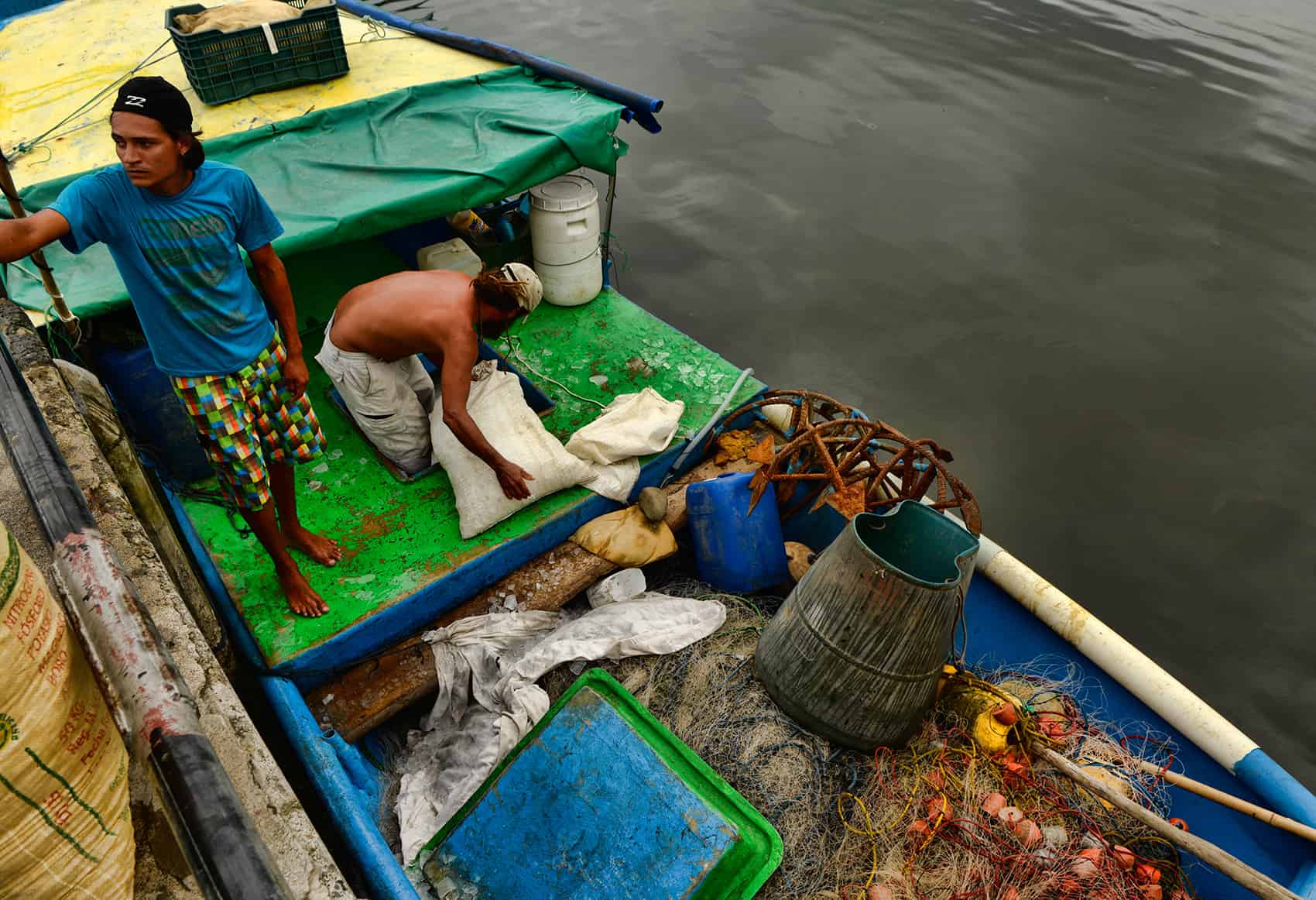
But even in Playa Grande — the last mass nesting beach in the Eastern Pacific for critically endangered leatherbacks — menus largely feature seafood caught by longlines and trawling nets, fishing practices that have devastating impacts on sea turtles.
Bottom trawlers drag weighted nets along the ocean floor to catch shrimp, damaging seafloor habitats in fragile ecosystems. Turtles that forage on the seafloor, like loggerheads, are particularly at risk of being swept up by trawlers and becoming part of the 90 percent bycatch that plagues the industry. Longliners aren’t much better. A 50-meter fishing line, outfitted with baited hooks on secondary lines, meant to catch mahi-mahi (also called dorado), tuna, and billfish like marlin, swordfish, and sailfish often hook sea turtles and other marine life on the way.
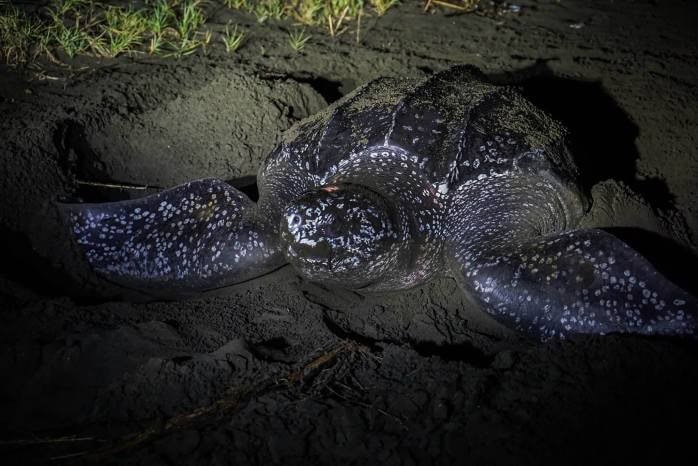
Scientists working in collaboration with The Leatherback Trust estimated Costa Rican longliners captured 699,600 olive ridley turtles, including 92,300 adult females, from 1999 to 2010. Their research linked these captures to a decline of nesting populations at nearby beaches. Another study estimated pelagic longliners set an estimated 760 million hooks annually in areas of the Pacific Ocean traversed by leatherbacks. In just one year, the global longline fleet captured some 50,000 leatherbacks and 200,000 loggerheads.
And here we are in Playa Grande, dedicated to protecting sea turtles on nesting beaches, yet ordering off of menus that feature the same unsustainable options prepared in different ways: shrimp cocktails, spicy tuna rolls, mahi tacos, coconut shrimp, tuna steaks, grilled mahi sandwiches, seared ahi, mahi ceviche and even sailfish masquerading as smoked fish appetizer.
One night, I interrogated a waiter who assured me the seafood was local and fresh but could not tell me anything about how it was caught. So, I ordered another vegetarian casado, wondering how the woman at the table next to me wearing silver sea turtle earrings and her son sporting a tie-dyed turtle tee could be enjoying their seafood dinners. Local restaurants are serving unsustainable fish, and profiting from turtle tourism, while contributing to the demise of sea turtles.
If the people of Playa Grande and the Guanacaste region are serious about restoring the turtle populations on their beaches, more attention needs to be brought to unsustainable seafood. Dr. Bibi Santidrián Tomillo, The Leatherback Trust’s Research Director, has shown that protecting leatherback nesting beaches alone cannot offset high mortality from destructive fishing. It also makes sense from an economical standpoint. The turtle tourism and surfing industries bring in thousands of tourists every year to Playa Grande, and without a healthy ocean, the income from these visitors will cease to exist.
Beyond protecting nesting beaches, The Leatherback Trust also works to limit fishing threats to leatherbacks and other sea turtles through “Front for Our Seas” (Frente por nuestros mares), a coalition of ocean advocates seeking to end destructive fishing in Costa Rica. In 2013, the coalition achieved a substantial victory when Costa Rica’s Constitutional Court banned the issue of new and renewed permits for bottom trawling. In the same year, the Costa Rican government mandated all shrimp trawlers use turtle excluder devices to reduce bycatch.
If the Constitutional Court ruling stands, sea turtles will never have to contend with another bottom trawler in Costa Rican waters after 2019.
But there’s more work to be done. Longlining remains legal and prevalent, and threats to reverse the constitutional ban on trawling permits still linger. As tourists, locals, businesses, we all bear a responsibility not only to educate ourselves and others about destructive fisheries, but also to demand seafood be caught sustainably.
You can help. Ask how your seafood was caught, tell local restaurants you want to protect the region’s tourism by eating sustainable seafood, and encourage the government to keep the trawling ban and take on longlining next. It’s up to us to protect our oceans.
Lauren Hackney is an intern with The Leatherback Trust.





