

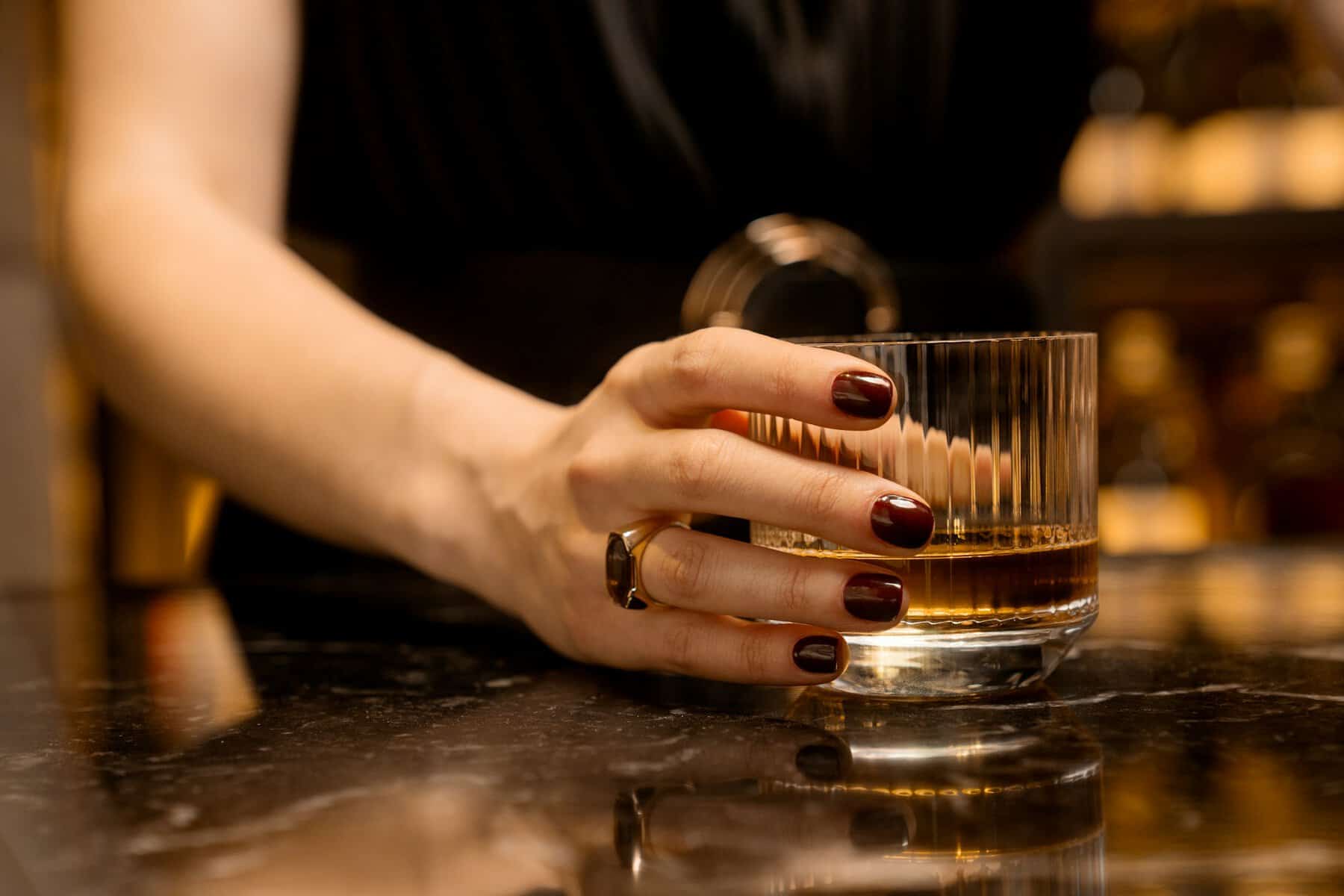
Whisky may not be the first drink associated with Costa Rican culture, but a growing community of collectors, curious beginners and serious enthusiasts is giving the centuries-old spirit a distinctly local stage. Whisky Fest 2026 takes place today at Campo Lago in Lindora, bringing together more than 50 brands for an evening built around tasting, food, music and the stories behind what is in the glass.
The second edition is expected to attract as many as 1,500 people, more than double the 700-plus who attended the inaugural festival last year. The main festival is listed to begin at 7 p.m., although guided tastings start earlier in the afternoon. This year’s festival leans heavily into atmosphere. The event is designed around the American Prohibition era, with dark wooden stands, warm lighting and the feel of the speakeasies that operated secretly in the United States during the 1920s and early 1930s.
Ten whisky distributors and importers will have dedicated spaces, representing dozens of labels. Visitors can move between them at their own pace, sample whisky by the glass and purchase bottles directly from participating companies. But organizers are trying to make the experience about more than simply drinking whisky.
Five expert-led tastings are planned, including sessions aimed at people still learning the difference between styles and more detailed experiences for experienced drinkers. Food pairings are part of the tasting program, reflecting a broader shift toward treating whisky much like wine: something to smell, compare, discuss and understand rather than simply order at a bar.
That approach represents an interesting turn in Costa Rica’s own relationship with whisky. A University of Costa Rica study of alcohol consumption and leisure from 1900 to 1930 found clear social divisions in drinking patterns. Aguardiente and chicha were associated with the broader population, while whisky, champagne and wine were more commonly linked to Costa Rica’s wealthier classes.
More than a century later, whisky remains a premium product, but the culture around it has changed. Tastings, specialty retailers, collector groups and events such as Whisky Fest increasingly emphasize where a whisky comes from, how it is made, how barrels affect its flavor and why bottles from Scotland, Ireland, the United States, Japan and elsewhere can taste remarkably different.
The evening also includes contemporary jazz from Costa Rican singer Rayssa Jiménez and her band, followed by DJ Slechta. A dedicated food area will offer dishes intended to accompany the spirits. Organizers have also included a designated-driver program that provides food and nonalcoholic drinks to participants who agree not to drink alcohol and water will be available throughout the event.
Whisky Fest operates as a private promotional event rather than through traditional ticket sales. Adults 18 and older can purchase the event’s limited-edition commemorative glass online for ₡15,000 plus VAT. Possession of the glass includes complimentary admission, subject to capacity. Buyers receive a QR code and collect the glass at the event.
The festival is entirely cashless and for newbies, the organizers’ concept is deliberately informal: carry a glass, visit the different houses, ask questions and compare what is being poured. For experienced whisky drinkers, the attraction is the concentration of brands and distributors in one place.
Either way, the rapid expansion of Whisky Fest says something about how Costa Rica’s food and drink culture continues to evolve. A spirit once closely associated here with imported luxury is increasingly being approached as something to explore, study and share.





