

A new study from the National University’s Observatory on Tourism, Migration and Sustainability in the Chorotega Region says development in some of Guanacaste’s best known beach towns is becoming more exclusive, more segmented and less connected to the communities around it.
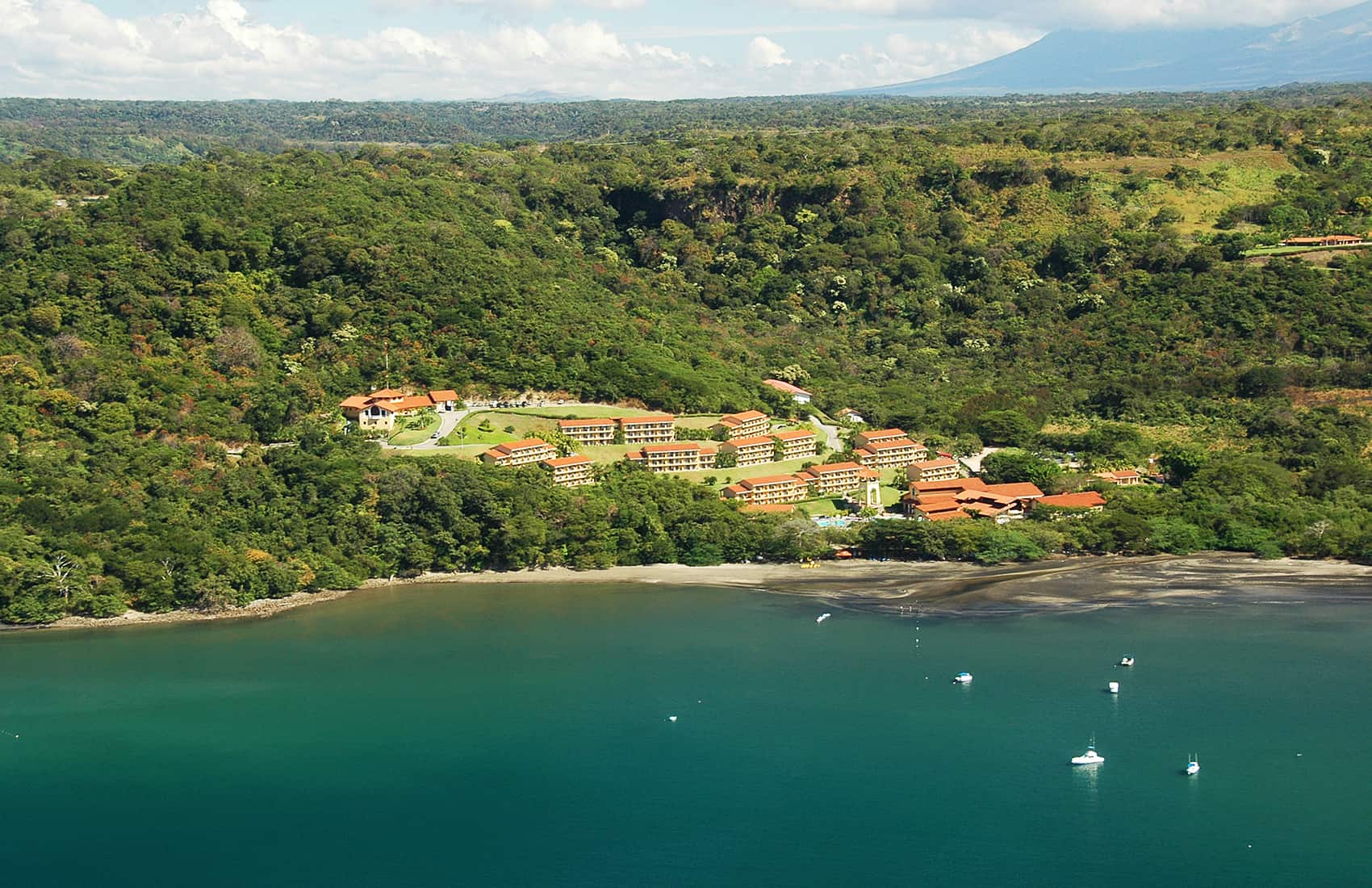
Focusing on El Coco, Nosara and Tamarindo, the report argues that the dominant pattern is not classic gentrification in which outsiders buy and remake existing local homes. Instead, researchers say the main trend is the construction of new real estate enclaves aimed at short term rentals and high end tourism, often physically separated from traditional neighborhoods.
That distinction matters as researchers say what is happening in these coastal communities is less about direct replacement of local residents and more about a model of growth without integration. In their reading, older neighborhoods and newer luxury zones are existing side by side but rarely mixing. The result is a sharper territorial divide between the places where local people live and work and the areas where tourism investment is expanding.
To study the pattern, the team reviewed real estate development in the three towns and mapped available properties on Airbnb during the low season of 2025, when more listings tend to be visible. The report found roughly 800 listings in El Coco, about 600 in Nosara and around 1,000 in Tamarindo, for a combined total of about 2,400 short term rental properties across the three communities on Airbnb alone. Researchers describe the exercise as exploratory rather than a full quantitative census, but say it still reveals a clear pattern in where investment is concentrating.
In El Coco, the study points to concentrations in Playa Ocotal, Las Palmas, the surrounding hills and the central tourism zone. In Nosara, the highest concentration appears in Playa Guiones, Playa Pelada and nearby hillsides, as well as around the so called Proyecto Americano.
In Tamarindo, listings and newer lodging are clustered near the beach and surrounding hills, while places such as Villarreal, Santa Rosa and Huacas, where many local workers live, show a much smaller presence. Across the three towns, the report says developers are favoring sites close to the sea or on hills with ocean views, generally away from established local population centers.
The study argues that this layout reflects a deeper economic model. Rather than building communities tied closely to local life, researchers say many of these projects appear designed to generate returns through digital rental platforms and international tourism flows. The report says that leaves limited added value for host communities, weak reinvestment in the local economy, and a heavy dependence on foreign tourism demand. It also warns of broader socio environmental costs tied to unplanned building in sensitive coastal and hillside areas.
The findings also add a new layer to the debate over development in Guanacaste. The report suggests that widely used explanations centered only on amenity migrants and direct displacement may not fully capture what is happening on the ground. In El Coco, Nosara and Tamarindo, the researchers say the more visible pattern is the rise of exclusive new spaces built apart from local communities, reinforcing inequality even when longtime residents are not physically pushed out.
For Guanacaste, the question is no longer only how much development is coming, but what kind of development is taking shape and who benefits from it. If current trends continue, the study suggests some of the area’s most famous beach towns could become even more divided, with tourism wealth concentrated in enclaves that rely on local labor while remaining detached from local life.





