

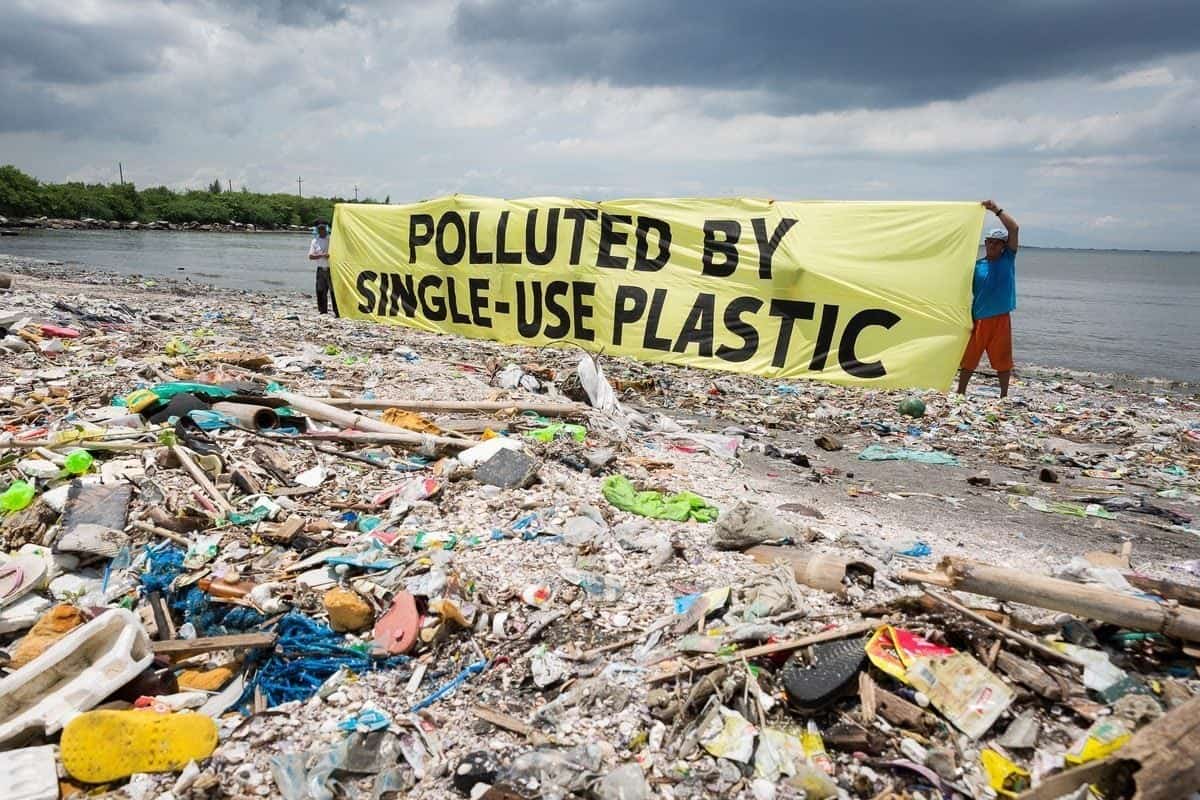
Costa Rica’s plastic pollution is not only an environmental issue; it is a quietly mounting economic one. The country markets itself on natural beauty, clean beaches, and biodiversity. Plastic undermines all three, and the financial consequences are beginning to be quantified in ways that are difficult to ignore.
The most direct economic threat lies within Costa Rica’s two most vital industries: tourism and fisheries. Tourism generates roughly 8% of the country’s GDP and supports hundreds of thousands of jobs. Visitors arrive expecting pristine coastlines, healthy coral reefs, and sea turtles nesting undisturbed on dark-sand beaches. What they increasingly encounter are waterways carrying plastic debris and beaches that require constant cleanup to remain presentable.
Research across tourism-dependent coastal economies in Latin America consistently shows that visible plastic pollution reduces visitor satisfaction, lowers return rates, and suppresses spending. For Costa Rica, where the entire tourism brand rests on natural integrity, even a modest decline in perceived environmental quality translates into significant lost revenue. Destinations that allow their image to erode through visible pollution rarely recover it quickly or cheaply.
The fisheries sector faces a different but equally measurable pressure. Studies projecting forward to 2050 estimate that marine plastic contamination could cost Costa Rica’s fishing industry anywhere from twelve to one hundred and twenty-six million dollars over the coming decades.
That range reflects genuine scientific uncertainty, but even the conservative end represents serious harm to coastal communities that operate on thin margins. Plastic entangles gear, reduces catch yields, introduces microplastics into fish populations, and creates additional labor costs as crews spend time removing debris rather than fishing. Families along both the Pacific and Caribbean coasts feel these losses immediately and personally, long before they appear in any national economic report.
Energy infrastructure carries exposure too. Plastic debris entering Costa Rica’s river systems eventually accumulates in hydropower reservoirs, where floating waste obstructs turbines, demands costly removal, and reduces operational efficiency. Costa Rica runs almost entirely on renewable energy, with hydropower forming its backbone. Maintenance burdens caused by plastic accumulation are rarely part of the public conversation about pollution costs, yet they represent a real and recurring drain on the country’s prized clean energy system.
There is also the broader climate accounting to consider. Plastic is a petroleum product, and it generates greenhouse gases at every stage of its existence: during manufacturing, transportation, decomposition in landfills, and open incineration. Costa Rica has made ambitious pledges to reach net-zero emissions by 2050 and has invested heavily in renewable infrastructure to get there. A country that powers itself almost entirely on clean energy while simultaneously importing and discarding plastic at current volumes is undermining its own decarbonization work.
At the household level, the numbers are just as telling. The average Costa Rican family generates roughly three-quarters of a kilogram of plastic waste every month simply through routine purchases, food packaging, beverages, and hygiene products. Scaled nationally, that translates into nearly fourteen thousand tons of plastic waste per year from basic consumer goods alone, the vast majority of which cannot be practically recycled under current infrastructure. This is not abstract waste. It enters rivers, washes onto beaches, and accumulates in the ecosystems that underpin the national economy.
The cleanup burden compounds everything else. Civil society organizations, municipal governments, and volunteer groups spend significant resources on beach and river cleanup operations each year, money and labor that could otherwise go toward healthcare, education, or climate resilience. These costs are real but rarely appear in formal economic tallies, making the true price of poor plastic management even higher than published estimates suggest.
The economic argument for confronting Costa Rica’s plastic problem is, in many ways, more powerful than the moral one, not because the environment matters less, but because economics move policy faster. When the full costs of inaction are assigned to specific sectors and expressed in dollars, the case for reducing plastic consumption and investing in better waste systems becomes straightforward. The country simply cannot afford, ecologically or financially, to keep treating plastic as someone else’s problem.





