
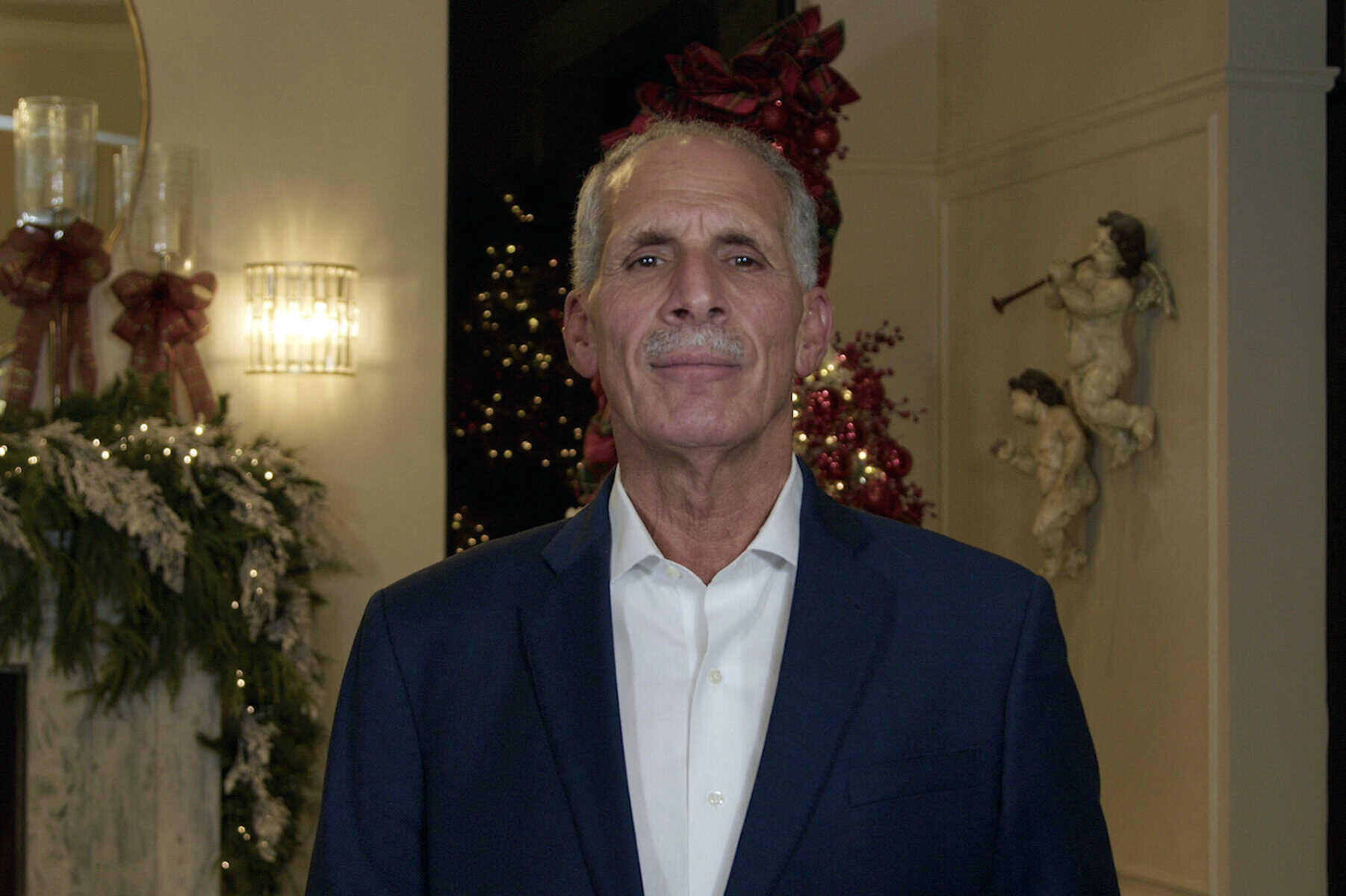
Nasry Asfura, Honduras’ president-elect and a key ally of U.S. President Donald Trump, steps into office with limited support in Congress, a setup that demands cross-party deals to push through his agenda.
The National Electoral Council declared the full legislative results on December 30, showing Asfura’s National Party secured 49 seats in the 128-member Congress. The Liberal Party, which fielded his main opponent Salvador Nasralla, took 44 seats. The ruling Liberty and Refoundation Party (Libre) ended with 35 seats, while smaller groups split the rest.
This breakdown leaves Asfura short of a simple majority of 65 votes for routine legislation. For major reforms needing a two-thirds qualified majority—86 votes—he requires even broader support. Analysts in Tegucigalpa say this forces the 67-year-old construction executive to negotiate with rivals, including the Liberals and possibly elements of Libre, to avoid gridlock.
Asfura claimed victory on December 24 after a razor-thin presidential race. He edged out Nasralla by less than one percent, with 40.3% of the vote to Nasralla’s 39.5%. Rixi Moncada of Libre trailed at 19%. The count dragged on for weeks, hit by system glitches and fraud claims from opponents. Trump weighed in multiple times, warning of consequences if results flipped, which added tension to an already heated process.
From San José, this outcome matters for Central America. Honduras shares borders with neighbors like Nicaragua and El Salvador, and its politics often ripple southward. Costa Rican officials watch closely, given trade ties and migration flows. A stable Honduras helps regional security, but a divided Congress could slow decisions on issues like crime and economic policy that affect us all.
Asfura campaigned on boosting investment and jobs, drawing on his time as Tegucigalpa’s mayor where he focused on infrastructure. Critics question his ties to past corruption probes, though he denies wrongdoing. Supporters see him as a pragmatic leader ready to shift Honduras away from left-leaning policies under outgoing President Xiomara Castro.
Nasralla, a veteran TV presenter, refused to concede, calling the process rigged. He pointed to overnight shifts in tallies and demanded recounts. Libre leaders echoed those concerns, filing complaints that could lead to court battles before Asfura’s January 27 inauguration.
The congressional split reflects voter frustration. National Party gains came amid economic woes, including high poverty and gang violence. Liberals doubled their seats from prior terms, signaling a centrist pushback. Libre, which held power since 2022, lost ground, hurt by internal rifts and unfulfilled promises on anti-corruption.
To govern, Asfura must court lawmakers from other benches. Possible deals include shared committee roles or compromises on budget items. Without them, his plans for foreign investment and security reforms stall. In past terms, similar setups led to stalled bills and public unrest.
Honduras’ economy relies on remittances and exports like coffee and bananas. A weak government risks investor flight, worsening unemployment that drives migration. For Costa Rica, that means potential border strains if instability grows. Asfura addressed supporters post-declaration, pledging unity. “Honduras needs all of us working together,” he said. Yet with Congress fragmented, his term starts on shaky ground.
Observers note the election’s parallels to 2021, when delays and disputes also marred the process. This time, international eyes—from the U.S. to the Organization of American States (OAS)—urged calm acceptance. Trump praised the result, calling it a win for “strong leadership.”
As inauguration nears, focus shifts to cabinet picks and early priorities. Asfura hints at realigning foreign policy, possibly toward Taiwan over China, aligning with Trump’s stance. For now, Honduras enters 2026 with a leader backed by a narrow base, testing his deal-making skills from day one.