

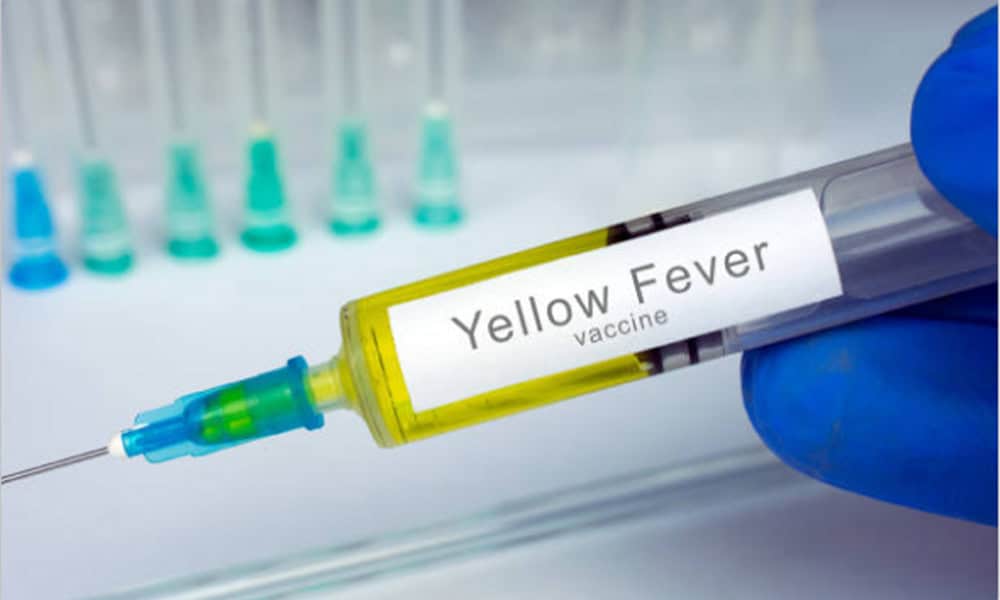
Costa Rica and El Salvador have taken a key step in modernizing public health by issuing the first digital yellow fever vaccination certificates in the Americas. This move, backed by the Inter-American Development Bank and the Pan American Health Organization (PAHO), sets the region ahead in adopting secure digital tools for health records.
The certificates align with standards from the World Health Organization’s Global Digital Health Certification Network. Health authorities in both countries now provide these digital versions alongside traditional paper ones, which travelers still need for entry into certain nations. The shift comes after amendments to the International Health Regulations in 2024, which allow digital formats for yellow fever and polio vaccines while maintaining authenticity and data security.
In Costa Rica, the Ministry of Health has integrated this system into its existing vaccination framework. Residents who receive the yellow fever shot can now access a verifiable digital certificate through official platforms. El Salvador has followed a similar path, enhancing its national health database to issue these documents. Both nations tested the system through national and regional connectathons, events that simulate real-world digital health scenarios to ensure compatibility.
This development stems from the Pan American Digital Health Roadmap, a collaborative effort led by the IDB and PAHO. The organizations provided technical guidance and resources to build the infrastructure. They also launched the Pan American Highway for Digital Health, a program that creates a trusted network for countries to recognize each other’s digital certificates. This framework drew support from the Latin American and Caribbean Network for Digital Health and funding from Japan.
The benefits extend beyond convenience. Digital certificates help prevent fraud by eliminating informal markets for fake documents. They give governments access to real-time vaccination data, allowing better resource allocation and outbreak response. For travelers, the system reduces the need for repeated vaccinations or lost paperwork, making cross-border movement smoother in a region where tourism and trade play major roles.
Yellow fever remains a concern not only here in Costa Rica but in all of Latin America. The disease, spread by mosquitoes, can prove fatal but a single vaccine dose offers lifelong protection. As of early November 2025, the region reported 295 human cases and 122 deaths across six countries. Costa Rica requires the vaccine for visitors from high-risk areas, and this digital option strengthens enforcement without added burdens.
The achievement gained recognition at a recent event in San Salvador called “Pan American Highway for Digital Health: Driving Innovation and Connection in the Americas.” Representatives from 26 countries attended, and 12 joined the initiative’s trust domain. This gathering highlighted how shared efforts can advance health systems.
Javier Guzmán, chief of the Health, Nutrition, and Population Division at the IDB, noted that this progress demonstrates how regional cooperation and digital tools change access to health services. He added that the IDB plans to back more countries in rolling out similar systems.
Marcelo D’Agostino, PAHO’s head of information systems and digital health, pointed out that stronger digital infrastructure lets people travel the region without duplicate vaccines or extra forms. He called it a move toward fairer health care in Latin America and the Caribbean.
For Costa Ricans, this initiative fits into broader goals of digital governance. The country has long pushed for tech in public services, from online tax filings to electronic medical records. Pairing with El Salvador on this front shows potential for Central American partnerships in health.
Looking ahead, the IDB and PAHO aim to expand the network. More nations could adopt digital certificates, fostering a connected health ecosystem. This could ease travel restrictions and bolster responses to diseases like yellow fever, dengue, or future threats.





