

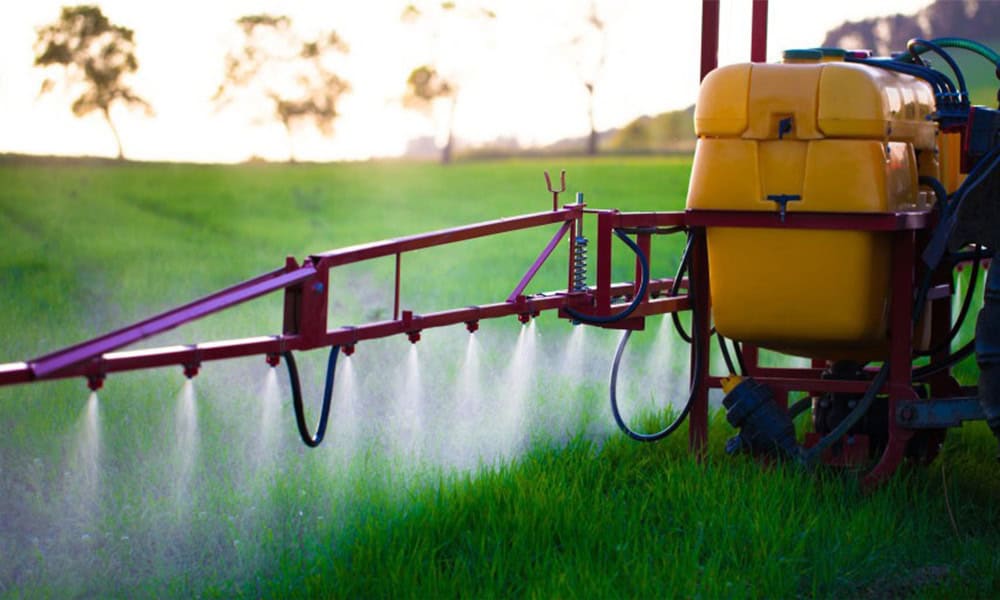
The Costa Rican Institute of Aqueducts and Sewerage (AyA), the Ministry of Health, and the Ministry of Agriculture and Livestock have initiated a water sampling program in the northern area of Cartago, where the presence of chlorothalonil, a dangerous pesticide banned in the country, was detected.
Seven technical teams have been conducting the first of four sampling stages. A total of 226 water samples will be taken at 113 points in the communities of Cipreses, Santa Rosa, and San Pablo de Oreamuno, areas severely affected by the contamination of their springs with chlorothalonil, a potent pesticide used for the control of fungal diseases.
This initiative covers approximately 8,500 hectares and aims to obtain accurate data on water quality, benefiting a population of 50,000 people. “We are here to initiate a collaborative effort to sample water sources and gather data to identify potential contamination,” said Mary Munive, Minister of Health.
Additionally, the Ministry of Health has requested the collaboration of the Pan American Health Organization (PAHO) to carry out a risk assessment of the metabolites. As a preventive measure, the Ministry of Health has closed the sources of these ASADAS by sanitary order.
The institutions are now seeking to obtain accurate data on water quality in the northern area of Cartago. The results of these samplings are expected by October. “Based on the results, we will define the route to follow,” said Juan Manuel Quesada, president of AyA.
The first analyses demonstrating the presence of this pesticide were conducted in 2021. In 2023, the Constitutional Court ordered a ban on the use of chlorothalonil to guarantee access to drinking water for the residents of Oreamuno. President Chaves also signed a decree banning chlorothalonil in all its commercial presentations in Costa Rica.
Chlorothalonil is acutely toxic, especially if inhaled. Contact with the substance can irritate the skin and eyes, while breathing chlorothalonil can irritate the nose, throat, and lungs causing cough, phlegm, and/or tightness in the chest. It was found by the European Food Safety Authority (EFSA) to be a presumed carcinogen.





