

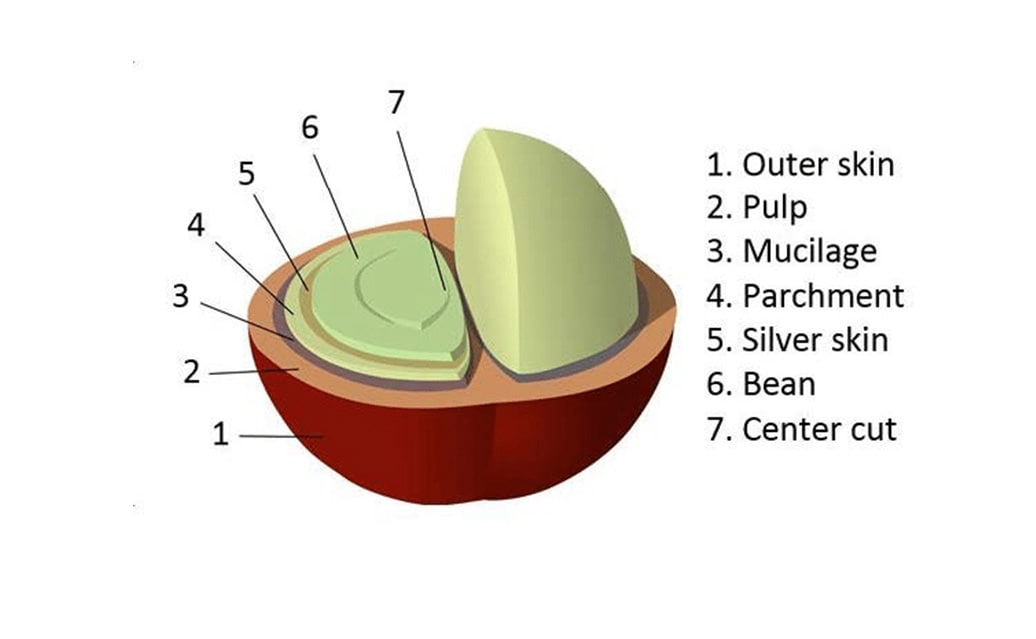
Researchers from the University of Costa Rica (UCR) have shed light on an unexpected potential of a coffee by-product, coffee mucilage.
Historically overlooked, this substance has demonstrated significant antimicrobial properties, building on the already known ability of certain coffee components to inhibit bacterial growth.
The groundbreaking study, directed by Dr. Carolina Chaves Ulate of UCR’s Faculty of Microbiology, examined the specific chemical compounds found in the mucilage, particularly polyphenols.
Results illustrated their ability to halt the growth of eight bacteria responsible for food spoilage and stymie the proliferation of several harmful human pathogens. This opens a promising door for the coffee industry and healthcare alike, potentially offering a new resource for antibiotic development.
As Dr. Ulate clarified, the focus was on exploring the compounds within the coffee bean – a major export product of Costa Rica. The research, whose findings are published in the NFS Journal, aimed to derive value from what is currently viewed as a waste product in coffee processing. Dr. Ulate’s colleagues, Drs. Rodríguez Sánchez, Arias Echandi, and Patricia Esquivel collaborated on this pioneering effort.
While the application of these findings might seem distant, the implications are substantial. The coffee industry is monumental, with yearly international revenues nearing $10 billion. However, the environmental footprint is concerning; globally, over 2 billion tons of coffee by-products, mainly discarded, are produced. By turning mucilage into a potential commodity, the ecological and economic impact could be profound.
Beyond economic and environmental considerations, the research resonates with global healthcare concerns. The rise of antimicrobial-resistant bacteria threatens the efficacy of existing drugs, underscoring the urgency for new antibiotic sources. The World Health Organization and other entities have already highlighted the escalating danger of drug-resistant infections.
Interestingly, the study showed that the polyphenolic compounds did not inhibit beneficial gut bacteria. This selectivity can play a pivotal role in future antimicrobial development.
One standout finding was the strong inhibitory effect on Bacillus cereus, a food contaminant. Other pathogens impacted included Micrococcus luteus, Listeria monocytogenes, and Staphylococcus aureus. However, several other bacteria like Escherichia coli and Salmonella remained unaffected.
With these findings, UCR researchers are already investigating further. They aim to assess the effect of mucilage polyphenols on bacterial spores, nature’s own “preservation” method for bacteria.
Preliminary indications suggest mucilage compounds might influence these spores, potentially leading to innovative disinfectant products.
The coffee mucilage has surfaced as a promising agent in the fight against bacterial infections. This discovery could reshape the coffee industry, simultaneously addressing ecological concerns and global health challenges.





