


Millennials everywhere on July 31 were celebrating their favorite fruit… the avocado! And yes, we see you enjoying some of that delicious avocado toast while reading the e-newspaper, as we all do. But have you ever wondered: Where does the avocado get its flavor? Of course not – that’s a weird question. But let me tell you anyway.
Picture this: a forest anywhere between Argentina and Canada, quite a few years ago — thousands or millions depending on where in America you are picturing — our ancestors frolicked outside, mostly because inside had not been invented yet. Suddenly there was a rumble in the trees, and out comes a Lestodon, 2,590 kilograms and around 4.5 meters of gentle sloth giantness. The sloth was sniffing a nearby tree and, standing on its legs, started eating. It was then that our ancestors readied their spears. Little did they know that if instead of killing the animal, they had tasted the fruit, civilization would have jump-started right then and there.
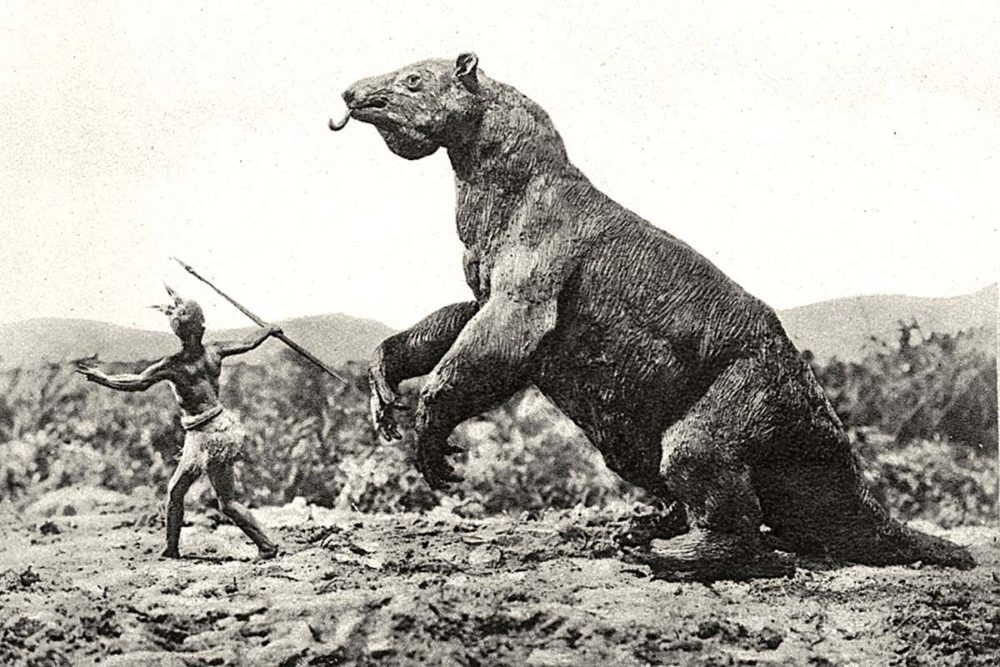
The protagonist of this story is, of course, the ground sloth. They were divided into four families, with several species each. These famously included the Megatherium, one of the largest mammals in history, measuring up to 6 meters and weighing about 4 tons; Thalassocnus, a genus of semi-aquatic sloths with longer tails used for swimming; Megalonyx, named by Thomas Jefferson when the third president of the United States confused the sloth for a giant lion; and the Megalonychidae that might have still been around in Cuba and the Dominican Republic as late as 5,000 years ago. Rumors suggest that even to this day there is still at least a couple of giant sloths following Costa Rican sports teams.

The avocado has been described as an evolutionary anachronism, since the current-day sloths, and any other animal for that matter, are not capable of naturally spreading the seed. Back in the day they could eat an entire avocado and go poop the seed elsewhere, allowing the tree to get to new areas and diminishing the competition. It is logical to infer that the avocados developed their amazing taste to attract the sloths. We repaid this culinary revolution by eating them: There are several instances of fossilized bones that have cuts consistent with stone tools. In White Sands National Monument, New Mexico, there is a fossilized record of a sloth being followed by humans. The prints seem to show the humans stalking the sloth and circling it, which points to a hunting scenario, or at the very least the first recorded instance of a dance-off.
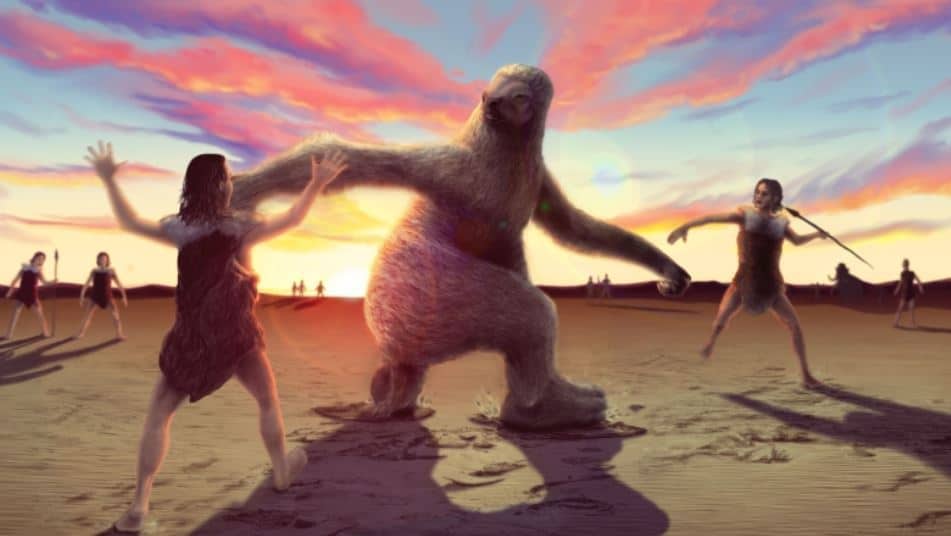
Hunting, alongside changes in the climate, contributed to the extinction of the ground sloths, making the job at The Sloth Institute and the Toucan Rescue Ranch closer to “Where’s Waldo” than “Jurassic Park.” We have to remain vigilant because our sloths are again being threatened by humans and a climate crisis, and we don’t want to end up with only bones and footprints to tell their stories.
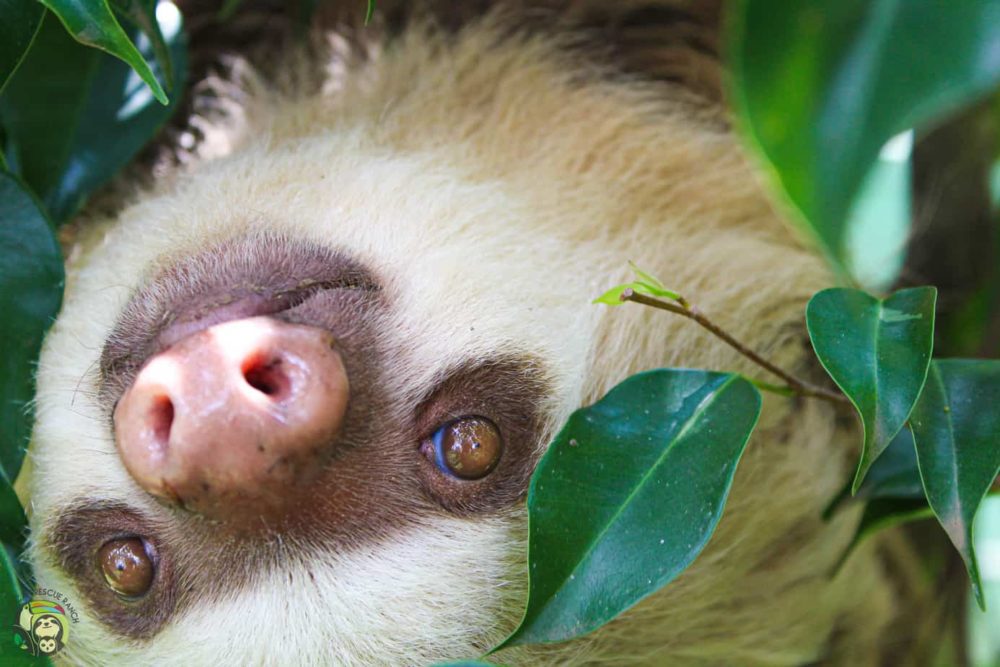
— Pedro Montero is an Education & Conservation Coordinator at The Sloth Institute.
The article is based on a true-ish story. New data is uncovered constantly by paleontologists, which affects our understanding of the relationship described below.
This article was produced by The Toucan Rescue Ranch. The Toucan Rescue Ranch specializes in helping wild animals recover so that they can be reintroduced into the wild.