
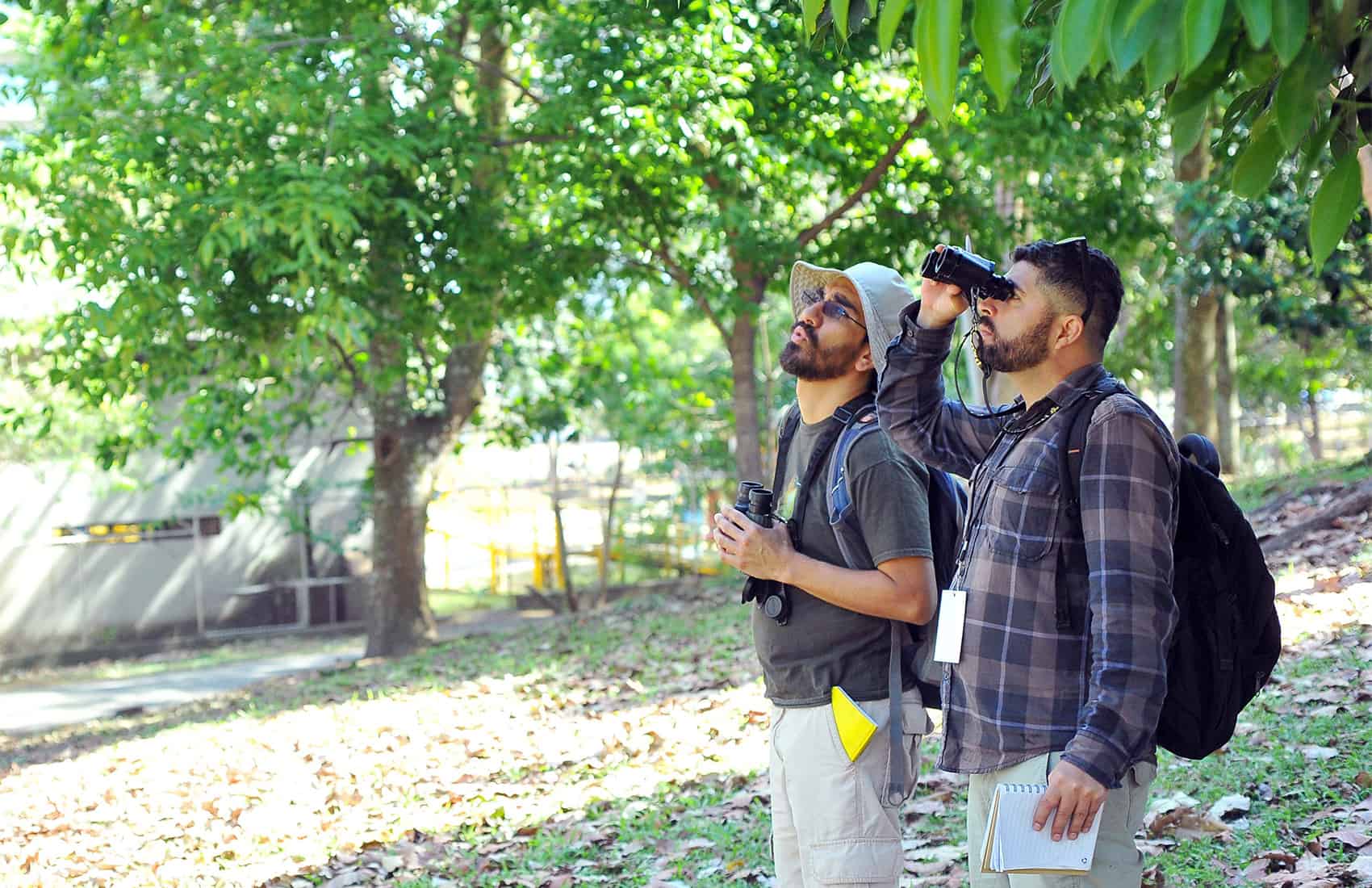
Researchers, students and volunteers gathered in La Sabana Park, west of downtown San José, over the weekend to count and classify animals, insects, trees, and other species that can be spotted there.
The species count, or “Taxathon” (Taxonomic Marathon), seeks to evaluate the impact of a six-year-old project to replace non-native tree species predominant at the popular park with native species in order to promote biodiversity and bring Costa Rican wildlife back to the park.
The initial results? While La Sabana is known as the home of the National Stadium as well as other sports facilities, preliminary Taxathon data show the park is also home to 347 species of plants, mammals, birds, insects and molluscs.
Researchers from various universities are currently evaluating the results and will issue a final report in late April. They say, however, that the survey is already showing an impressive spike in the number of species at the park, some of them never seen before in the area.
The group found 290 species of plants that were new to La Sabana; 41 species of birds; four species each of bats and dragonflies; three species of snails; two species each of flies and two of mammals; and a new shrimp and aquatic mite species.
New resident species
Armando Soto, a botanist and the project’s technical coordinator, hired by Scotiabank, told The Tico Times that the count shows the tree-replacement project is indeed paying off.
He said that, for example, a species count conducted in 2008 found only 13 species of birds at La Sabana.
“Now you can see more than 100 species in total, including those 41 we found over the weekend,” he said. “This is mostly thanks to the more than 200 species of trees and plants, all native to Costa Rica, that now populate the park.”
The tree-replacement project is also attracting new species of birds that were never spotted there.
“One of them, the Fulvous whistling duck (Dendrocygna bicolor) could only be seen at the Palo Verde wetlands, and now they also come here,” Soto said. They group also found a species of hawk that is not only visiting, but also nesting in La Sabana trees.
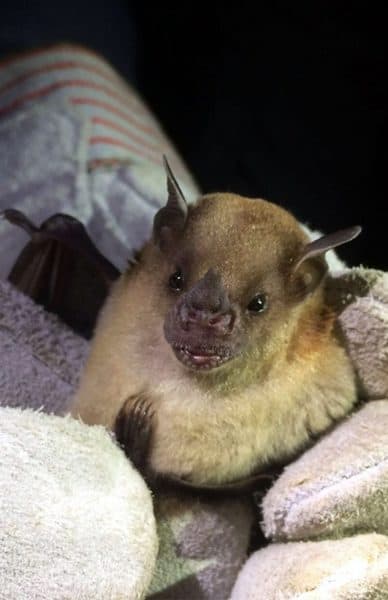
One of the most exciting news was the finding of four species of bats, a species never seen here before the project. They were attracted by fruits and nectar from new trees and are now playing a key role in pollination cycles, Soto said.
“Bats are also great for controlling mosquito populations. One bat is capable of eating 60,000 mosquitoes in one night. I’ve heard experts saying bats would be a great solution against dengue or Chikungunya,” he said.
Professor Mery Ocampo, a researcher from the State University at a Distance (UNED)’s Green Footprint Project, told The Tico Times that the Taxathon also is bringing the general population closer to science and to scientific knowledge.
She noted that these events allow people to better understand and appreciate the environment.
“If people knew more about bats and how important they are to nature, they wouldn’t be so cruel as to kill them, or fear them, or spread fake beliefs that all bats are vampires and suck blood,” she said.
Soto agreed, and added that there are some 120 species of bats in Costa Rica. Only one of them consumes blood, usually from cattle.
Tree-species replacement
The initiative began as joint effort from public and private sector companies, lead by the Costa Rican Sports and Recreation Institute — the park administrator — and Scotiabank. Other groups and agencies since have joined the project known as “Una Nueva Sabana” (A New Sabana).
The project started in 2008 with an initial assessment and evaluation of resident species. The tree-replacement stage started in 2011 to improve the park’s biodiversity by planting 5,000 trees of native species and removing non-native trees.
Among other species, volunteers over the years have planted sura (Terminalia oblonga), guarumo (Cecropia obtusifolia), jobo (Spondias mombin) and Guanacaste trees (Enterolobium cyclocarpum).
These trees are replacing eucalyptus trees, the predominant species within the park ’s 72 hectares. While eucalyptus trees thrive in tropical climates, they fail to attract native species of birds, mammals or insects, experts found during the first stage of the project.
In another part of the plan, project managers coordinated with the Prison System to use wood from the cut eucalyptus trees to build benches and trash cans that now serve park visitors.
The project is approximately 1,200 trees from its overall planting goal, Scotiabank reported.
See a video of one of the tree-planting journeys (in Spanish)
Next Taxathon
Soto said they this year’s species count did not include fish in La Sabana’s pond, but they will be evaluated in a future Taxathon that will likely take place during the rainy season.
“We didn’t include fungi, either, as they’re not easy to find during the dry season,” he said.
UNED’s Ocampo said a rainy season Taxathon will allow project leaders to establish a relation between frequency and abundance of species and their evolution according to climatic variables.
The final analysis and species count is currently in the hands of researchers from UNED, the University of Costa Rica, the National University, and the Costa Rican Ornithological Association.