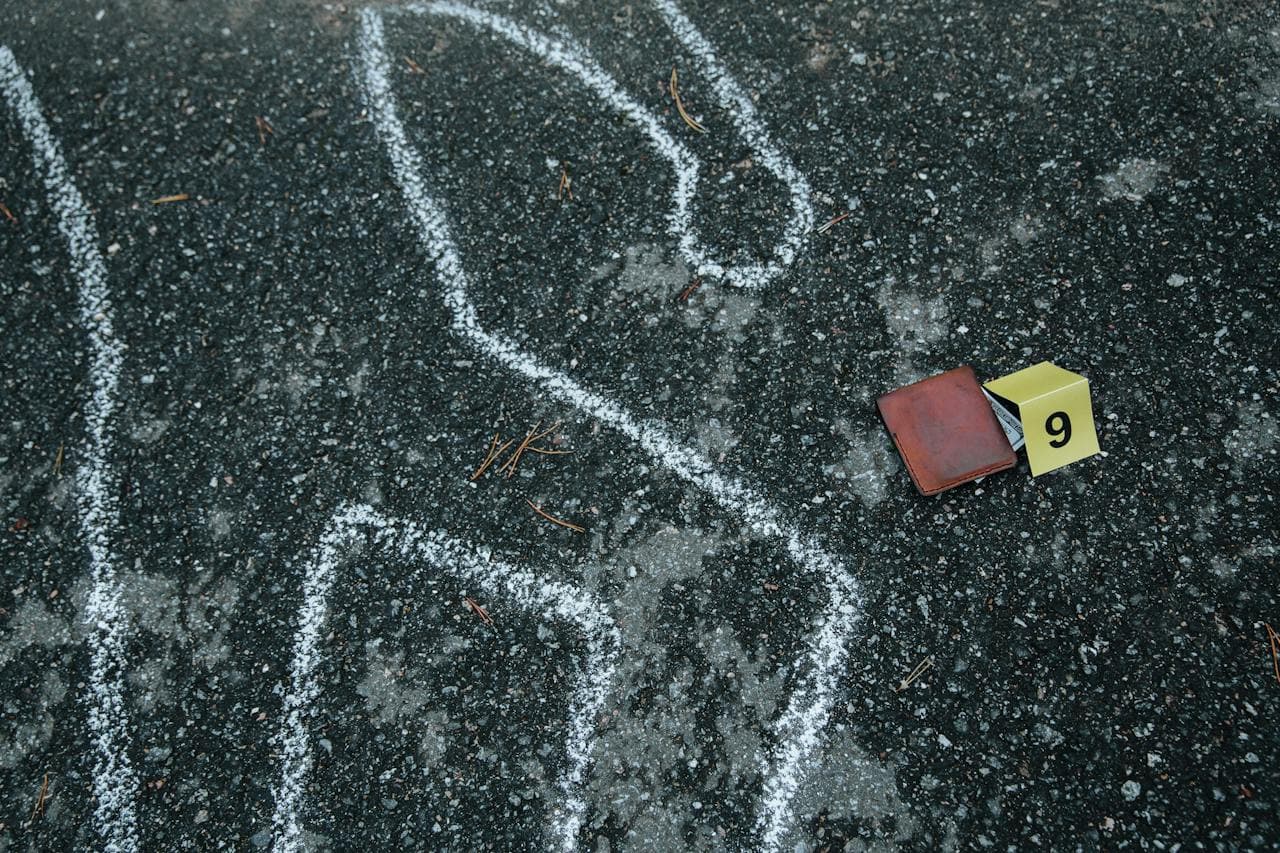
Bullets are flying in Costa Rica. Every day, it seems, I read online about a new murder in San José, Limón, or Puntarenas. I watch reels of gunfights, the shots crackling in the night air while people scurry. The murder rate has hovered around 17 per 100,000 population for the past few years. In 2025, there were 873 murders.
Outgoing President Rodrigo Chaves has repeatedly stated that most of these murders are drug and gang related. While that may be true, the way these scores are often settled, with bursts of random gunfire, can put the general population in danger of being caught in the crossfire.
As a contrast to today’s wild west scenario, 1991 was my first full year living in Costa Rica, and the murder rate was about 4 per 100,000, with a total of 132 homicides. That is a jump from about 11 per month to 73, or roughly 18 per week. Worse still, Costa Rica is an outlier, as the global homicide rate has edged down slightly over the past three decades. The elephant in the room, of course, is the drug trade. Costa Rica is a bridge for the flow of cocaine and other drugs, and there is no shortage of gang members looking to gain control of lucrative markets.
Violence is always an option in the world of international drug trafficking. A police officer living on 500,000 colones a month might wonder if it is worth putting his life on the line against a paid sicario carrying superior firepower and showing little regard for any life, even his own. Costa Rica is clearly ill-equipped to deal with mini-cartels that operate openly by the law of the gun.
Many of those committing the most reckless and violent crimes are young men in their late teens and twenties with previous records who have been released early and, with little opportunity awaiting them, returned to lawless streets where there is money to be made and rules are made to be broken. Corrupt judges hand down light sentences or release major players on technicalities. Add it all up and it becomes a recipe for record-high homicides.
There is no single solution. Anyone who has lived here for more than a few months knows the country needs a better trained and better equipped police force, along with a more consistent presence in high-risk areas. Law enforcement is just another arm of a sprawling bureaucracy, often agonizingly slow to release important crime information to the public.
For example, the OIJ, the investigative police, will release photos of individuals wanted for certain crimes, but the crime may have happened months or even a year earlier. Why such a delay in getting those photos out to the public? It is also common to see arrested suspects on the news being allowed to cover their faces. The media often report only the suspect’s last name. An hombre con apellido Mora does not narrow things down much. The suspect keeps anonymity while the community being terrorized is left in the dark.
The idea has been floated that the U.S. military should get involved in some way. Costa Rica does need help from the United States, but not that kind. It needs the U.S. to treat drug addiction as a public health problem, not one to be tackled through military force. The United States, and to a lesser extent Canada, Europe, and yes, Costa Rica, provide the consumers whose demand fuels the violent drug trade in this part of the world. As long as that demand remains constant, the violence will remain close behind.
Read more of Don Mateo’s writing from his newly published ebook