
Hundreds of people protested Monday against price hikes and corruption in Panama, protests that led the country’s president, Laurentino Cortizo, to announce the reduction or freezing of the price of gasoline and several products of the basic food basket.
“I understand the dissatisfaction of the various sectors for the situation we are living caused by the effects of the pandemic and the consequences of the conflict in Ukraine”, said Cortizo in a message to the country.
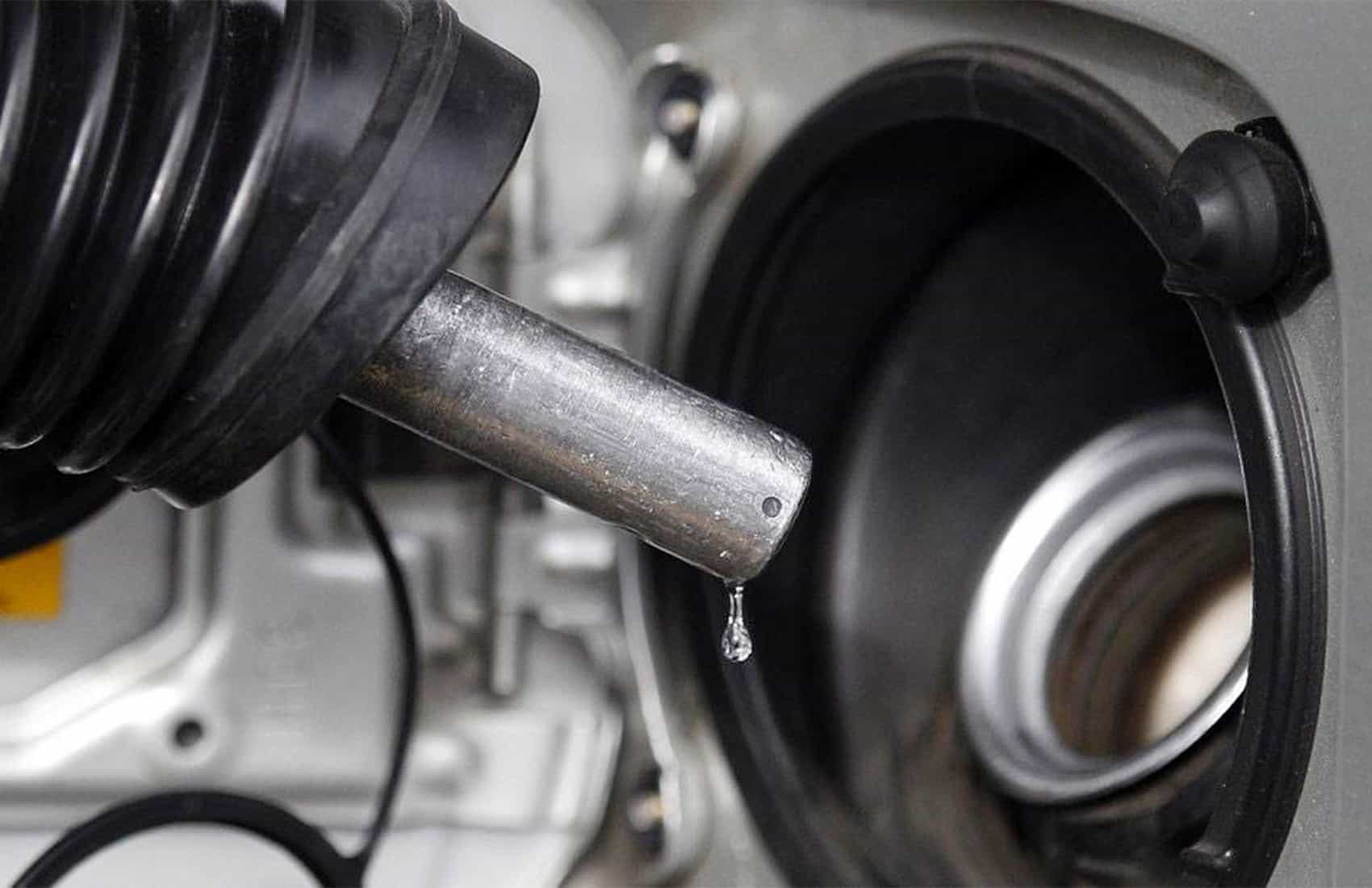
For this reason, the president informed that the price of a gallon (3.78 liters) of fuel will now cost “3.95 (dollars) for private vehicles at national level as of July 15”, he added. A gallon of gasoline cost US$5.17 at the end of June.
This measure had already benefited public transportation since May. Panama is facing its second week of protests due to the increase in fuel prices, which from January to July had risen 47%.
Cortizo also informed that his government will prepare a decree to freeze the price of a dozen products of the basic food basket.
However, some unions have announced that demonstrations will continue until the price of a gallon does not drop below $3.00 and there is no generalized price reduction.
Protests throughout Panama
In the western provinces of Veraguas and Chiriqui, bordering Costa Rica, protesters blocked the Interamerican highway, which connects the country with the rest of Central America.
In Panama City a group of students clashed with the police in the surroundings of the University of Panama, where a group of people momentarily seized a police patrol car, destroying its windows.
“The president (Cortizo) has the country in bad shape, we are doing this for the people because life is very expensive,” a young protester, dressed in dark color and hooded, told AFP without identifying himself, after setting fire to a barricade.
A few meters away, a Panamanian who identified himself as Alejandro Alvarez, and who was not participating in the protests, told AFP that “the people are fighting for what is theirs”.
The roadblocks have caused hundreds of people to be stranded for hours on the Interamerican highway, a basic route for the transportation of food and goods throughout the country.
Inflation “means that less and less people can live in dignity,” said Saúl Méndez, secretary general of the construction union Suntracs, the country’s largest.
According to Méndez, in order for citizens to recover purchasing power, the prices of medicines, food, electricity and fuel must be lowered and frozen, in addition to a general increase in salaries.
In the last few days, there has also been an increase in criticism against the salaries of authorities and the expenses of parliamentarians.
Uncertainty in Panama
To calm tempers, the Panamanian government established on Monday a dialogue table in the city of Santiago de Veraguas, one of the focal points of the protests, 260 kilometers southwest of Panama City. However, no agreements were reached.
“The organized groups are waiting for the central government to give a proposal for the lowering of fuel and the basic food basket,” Panamanian Ombudsman Eduardo Leblanc, present at the negotiations, told reporters.
The demonstrations are taking place at the same time that Cortizo is facing a cancer that forced him to travel last week to the United States, although on Monday the president assured that his illness is low risk.
At the beginning it was the public education teachers who called for the protests, which have now been joined by unions from other sectors, which are also threatening strikes.
The Inter-American Council of Commerce and Production of Panama expressed on Monday its “great concern” about the situation of “instability that the country is experiencing, at a time when we must face in a rational way and without further delay, the economic reactivation”.
The managing partner of the economic consulting firm Indesa, Felipe Chapman, told AFP that the government “may agree” to some of the protesters’ demands.
But it would imply a “high fiscal cost that affects the ruling political group and the population that depends on relief (through subsidies) from the state,” he warned.