
Costa Rica could face its most significant El Niño-related weather impacts between this October and next March according to projections from the National Meteorological Institute (IMN), raising concerns about reduced rainfall, higher temperatures, water availability, agriculture, and wildfire risk across parts of the country.
The IMN said the developing El Niño event is expected to strengthen during the second half of 2026, with its peak influence on Costa Rica likely occurring from October through March. That period coincides with the transition from the rainy season into the dry season, when El Niño’s effects are often felt most strongly.
El Niño is a natural climate pattern caused by unusually warm ocean temperatures in the central and eastern tropical Pacific. In Costa Rica, it typically brings below-average rainfall to much of the Pacific coast, the Central Valley, and the Northern Zone, while temperatures tend to rise above normal levels. Caribbean impacts can vary depending on regional weather patterns.
International climate agencies are also forecasting a significant El Niño event. The World Meteorological Organization recently reported an 80% probability of El Niño conditions during mid-2026, with a strong likelihood the phenomenon will continue through the end of the year. Several global forecasting models suggest the event could become moderate to strong.
For us here in Costa Rica, the timing is important as October and November are normally among our wettest months of the year, particularly on the Pacific. A strong El Niño could reduce rainfall during that period and accelerate the arrival of dry-season conditions. In areas such as Guanacaste, where water shortages can already occur during the summer months, officials may closely monitor reservoir levels and water management plans.
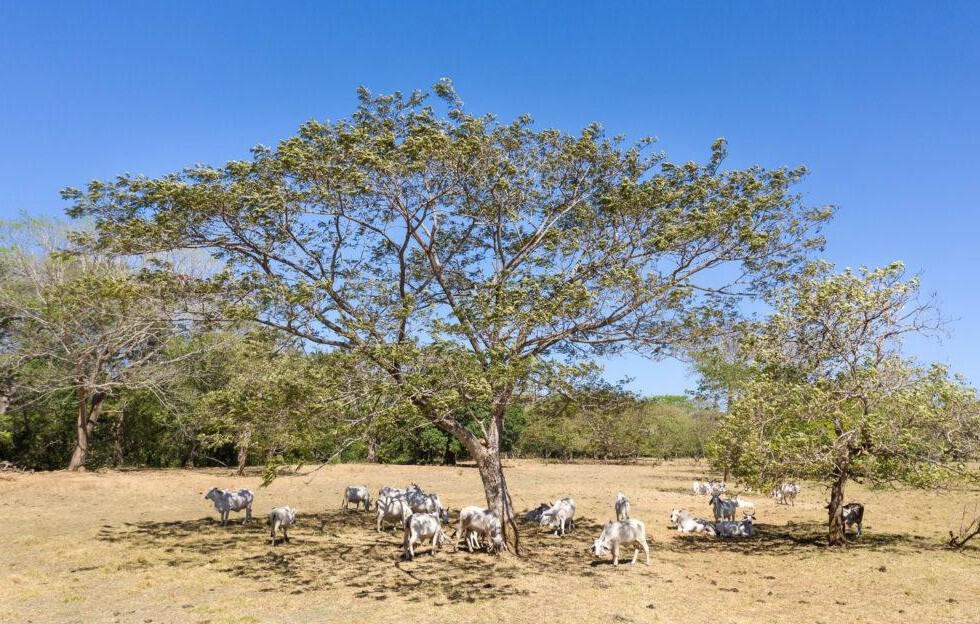
Agriculture could also feel the effects. Lower rainfall and higher temperatures can stress crops and pasturelands, particularly in northwestern Costa Rica. Previous El Niño events have been linked to reduced agricultural yields, increased irrigation demand, and a higher risk of wildfires in vulnerable areas.
Drier conditions often bring more sunny days to popular Pacific beach destinations, but prolonged drought and water restrictions can create challenges for communities and businesses that depend on reliable water supplies.
While uncertainty remains regarding the exact strength of the event, forecasters agree that El Niño is likely to be a major factor influencing Costa Rica’s weather through late 2026 and early 2027. The IMN is expected to issue updated outlooks in the coming months as ocean and atmospheric conditions continue to evolve.