

Ricardo Muñoz, a member of the environmental group Nido de Halcón (Hawk’s Nest), revealed that he has faced threats for his advocacy in defense of the Coris wetland, in the province of Cartago. He explained that while he previously had permission to access the farms near the wetland, he was subsequently warned against doing so, under threat of consequences.
Despite Muñoz being the target of these threats, the protection of the wetland has garnered support from various quarters, including neighbors and organizations such as Asociación Preservacionista de Flora y Fauna (APREFLOFAS), the environmental group Nido de Halcón, and Bloqueverde.
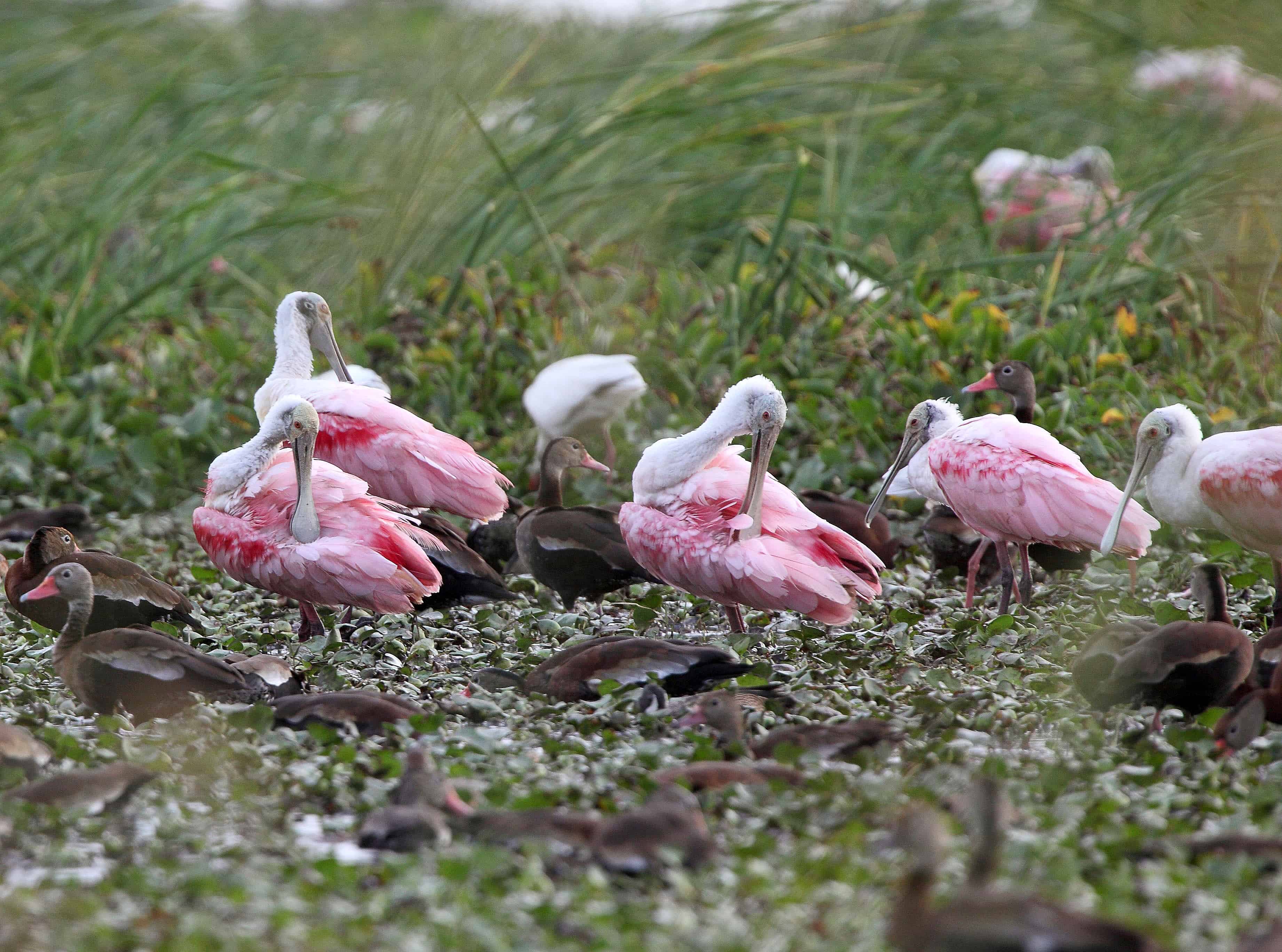
This unique ecosystem faces accelerated destruction due to urban, industrial, and agricultural expansion, leading to activities such as dredging and burning, which are detrimental to its original vegetation. Over its 40-year history of environmental advocacy, the organization has identified activities and farms contributing to the wetland’s demise.
The wetland’s historical significance dates back to the founding of Cartago in Guarco, named Ciudad del Castillo de Garcimuñoz (1561) by Juan de Cavallón y Arboleda. Known as the “City of Mud” due to the presence of mud and water from the Coris and Purires rivers, it has long served as a habitat for wetland ecosystems.
Advocates emphasize that despite attempts to fill or destroy it, the wetland will persist as a lake system, sustained by the rivers and its surrounding ecosystem. The presence of the Aguascalientes fault in the area, along with ongoing monitoring by the Vulcanological and Seismological Observatory of Costa Rica, underscores its geological significance.
Moreover, studies on the wetland’s water potential and reports from MINAE’s Water Directorate highlight its importance, identifying numerous springs and thermal springs as public domain waters.
The central issue in the conflict lies in the incomplete formal and technical process for the wetland’s official declaration. While progress is being made in formalizing its status through studies, some landowners view it as “no man’s land” and seek its destruction to avoid regulatory hurdles.
Environmental groups urge the Municipality to take decisive action to safeguard the wetland and its invaluable ecological heritage.





