

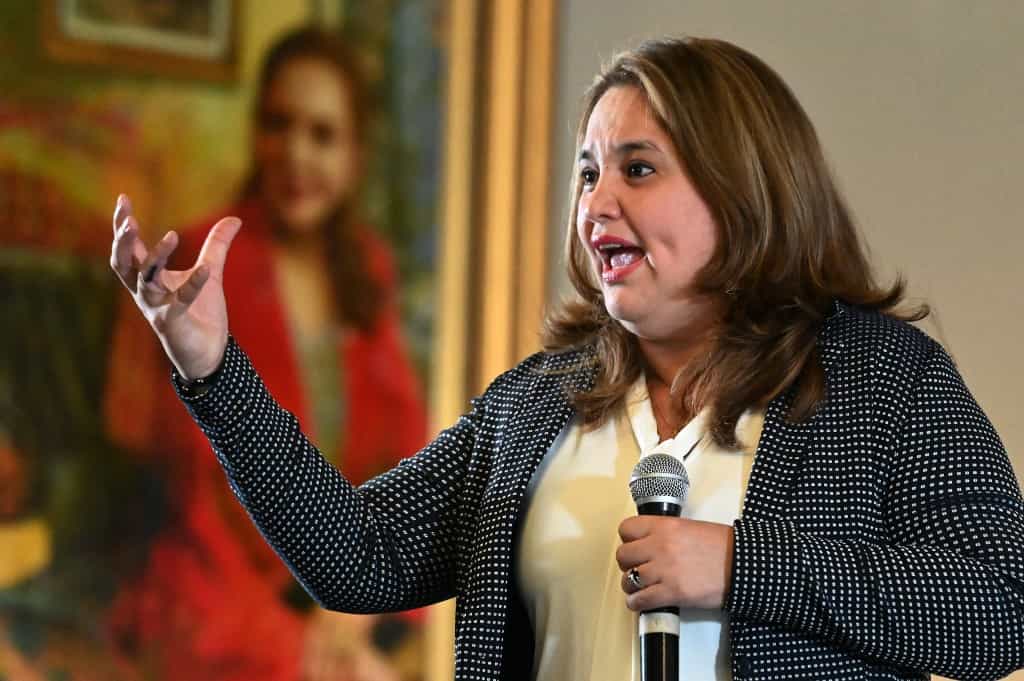
Honduras has announced a plan to “intervene” in the country’s prisons and implement measures to disarm prisoners and block phone signals in order to combat the high levels of crime and violence that have plagued the system for years.
The plan was developed by Vice Minister of Security, Julissa Villanueva, who was appointed by President Xiomara Castro to address the corruption and criminal structures that have been allowed to thrive within the prison system.
One of the key measures announced by Villanueva is the “real disarmament” of prisoners through permanent manual and electronic searches in 100% of the facilities. This move aims to take weapons out of the hands of inmates who have been using them to perpetrate crimes both inside and outside of the prisons.
In addition, the plan includes the total blocking of phone signals for detainees, with official lines for communication to be monitored by judges. This will help to prevent the organized crime leaders who are behind many of the crimes from continuing to operate from within the prison system.
The need for action was highlighted by recent clashes between rival gangs that left one person dead and seven others wounded. The gangs involved were Barrio 18 and Mara Salvatrucha, and the clashes occurred in four prisons across the country.
These gangs are known for being extremely violent, and their continued presence and influence within the prisons has made it difficult to combat the high levels of crime and corruption that have been present in the system for years.
The plan also includes the removal and purging of corrupt penitentiary personnel and police officers from all prisons, as well as the relocation and reclassification of inmates who are linked to organized crime, gangs, drug, and arms trafficking.
With almost 20,000 inmates in the country’s 26 prisons, overcrowding has been a significant issue, and the relocation of prisoners from the four most crowded facilities is seen as an important step in reducing tensions and preventing further violence.
Overall, the plan represents a significant effort to address the systemic issues that have allowed crime and corruption to flourish within Honduras’ prison system. By disarming prisoners, blocking phone signals, and removing corrupt personnel, the government hopes to create a safer, more secure environment for inmates and staff alike.
While there is still much work to be done, the plan represents a promising start towards a better future for Honduras’ prisons.





