
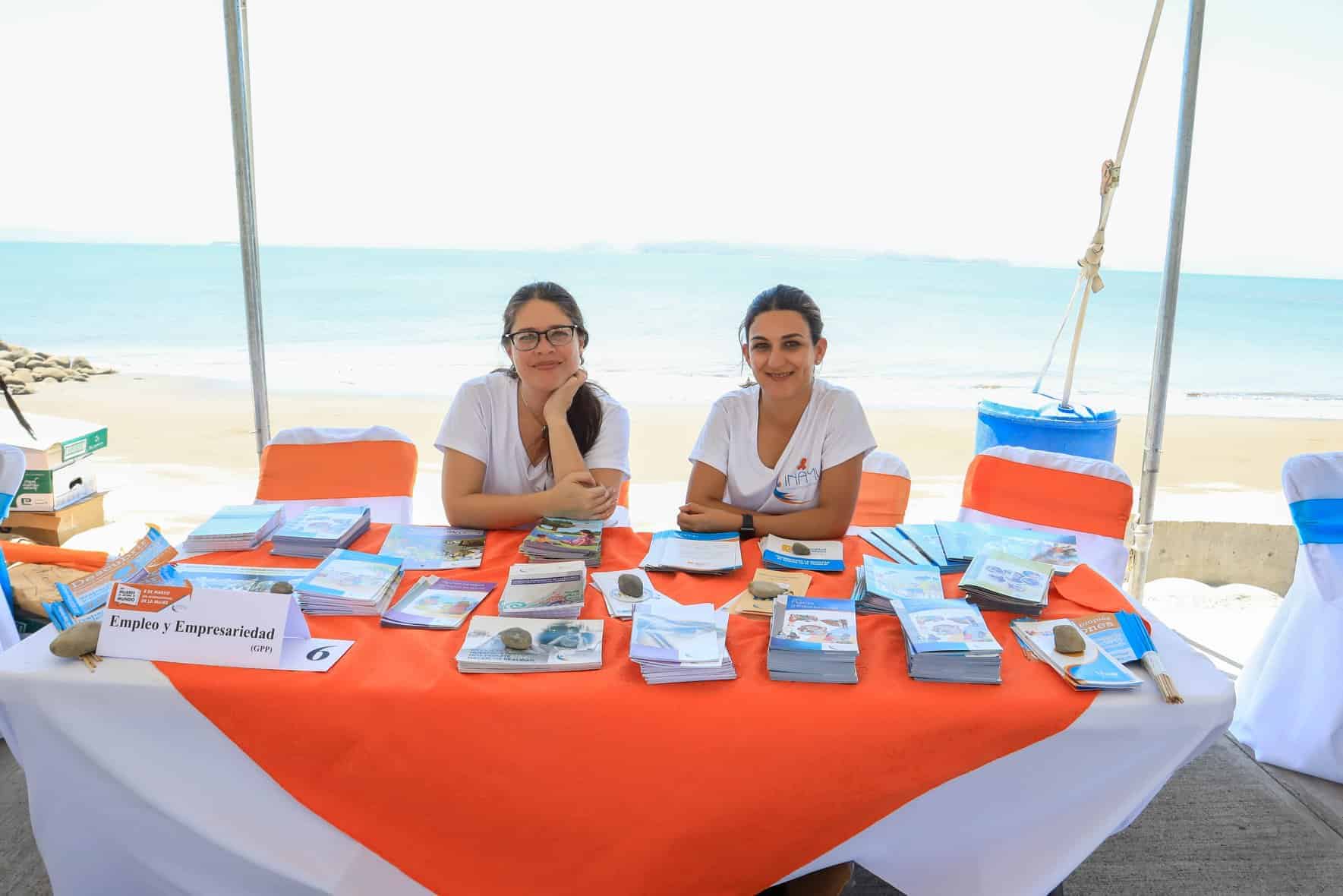
Unemployment in Costa Rica is at 19.1%, but the job loss provoked by the pandemic has predominantly impacted women.
According to the National Institute of Statistics and Census (INEC), 24.6% of women are considered unemployed, compared to 15.2% for men. Likewise, women are more likely to be underemployed — working fewer than 40 hours a week and wishing to work more — at 21.6% of the workforce, compared to 17.5% for men.
And women have a lower rate of labor force participation (50%) compared to men (72%).
Costa Rica’s high jobless figures are largely a product of the pandemic, which provoked a record unemployment rate of 24% in mid-2020. At that point, unemployment among women was even more elevated, at 30.4%.
These data are not unique to Costa Rica. According to the International Labor Organization (ILO), women across the region have been more impacted by the pandemic than men.
“In particular, women were much more likely than men to drop out of the labor market and become inactive,” the agency indicated.
Women are over-represented in some of the sectors that have been most affected by the coronavirus, such as hotel and restaurant services. As a result, the impact among women has been greater.
But even before the pandemic, the National Women’s Institute (INAMU) warned of an increasing wage gap in Costa Rica. In 2016, women earned 12% less than men, a gap that was even higher (18%) in the private sector.
“Since 2013, this gap has been increasing, reaching in 2016 a significant difference of 11.7 percentage points, which means that in general women receive approximately 12% less salary than men, regardless of her position in employment,” INAMU wrote in 2019.
In addition, INAMU argued that “stereotypes and gender roles” continue to influence career choices, noting that men comprise 70% of students in science and engineering programs at Costa Rican universities.
“From childhood, a conditioning is exercised on the areas that have been socially defined for one sex or another, resulting in women ending up opting for traditionally female careers with less economic and social recognition, and later they have access to lower-quality and low-paid jobs,” said Patricia Mora Castellanos, then the Executive President of INAMU.