

There’s nothing worse than an itchy mosquito bite — except, in Costa Rica, what that bite might carry. With the rainy season in full swing and the Health Ministry reporting a sustained rise in dengue cases since May, repellent has gone from travel accessory to daily necessity. For those wary of dousing themselves in synthetic chemicals, the good news is that plant-based options have come a long way in two decades — and one of them now carries the endorsement of the U.S. Centers for Disease Control and Prevention (CDC).
Costa Rica has recorded 1,411 dengue cases through the first 24 weeks of 2026, according to the Health Ministry’s most recent epidemiological bulletin. That figure is about 8% lower than the same period last year, but health authorities warn the trend has reversed sharply since late April, with weekly case counts now climbing above the historical average.
The Central Pacific is the current epicenter, and the area of Orotina, with 124 cases, has seen house-to-house fumigation campaigns in recent weeks. All four dengue serotypes circulate in Costa Rica, which means a second infection can be more dangerous than the first.
In other words: whatever repellent you choose, use it.
The plant-based option that actually has the science
If you want a botanical repellent with clinical evidence behind it, look for oil of lemon eucalyptus (OLE), sold in Spanish-labeled products as aceite de eucalipto de limón and listed on ingredient panels as PMD (para-menthane-3,8-diol). It is the only plant-derived active ingredient the CDC recommends alongside synthetics like DEET and picaridin, and in field studies, 30% OLE formulations have provided protection comparable to mid-strength DEET for several hours.
Two caveats. First, OLE is not the same as generic “lemon eucalyptus essential oil” sold in aromatherapy shops — the repellent version is a refined, standardized product. Look for EPA-registered brands. Second, OLE is not recommended for children under three years old.
A quick word on DEET, since the conventional wisdom has shifted: decades of safety data have led the CDC, EPA and World Health Organization to consider DEET safe for adults, children and pregnant women when used as directed. Choosing a plant-based repellent in 2026 is a legitimate preference — for scent, skin sensitivity or environmental reasons — but it’s no longer a health necessity.
Costa Rica’s traditional repellents
Long before EPA registration numbers, Costa Ricans were reaching into the garden. Several plants common here have a long folk history as mosquito deterrents:
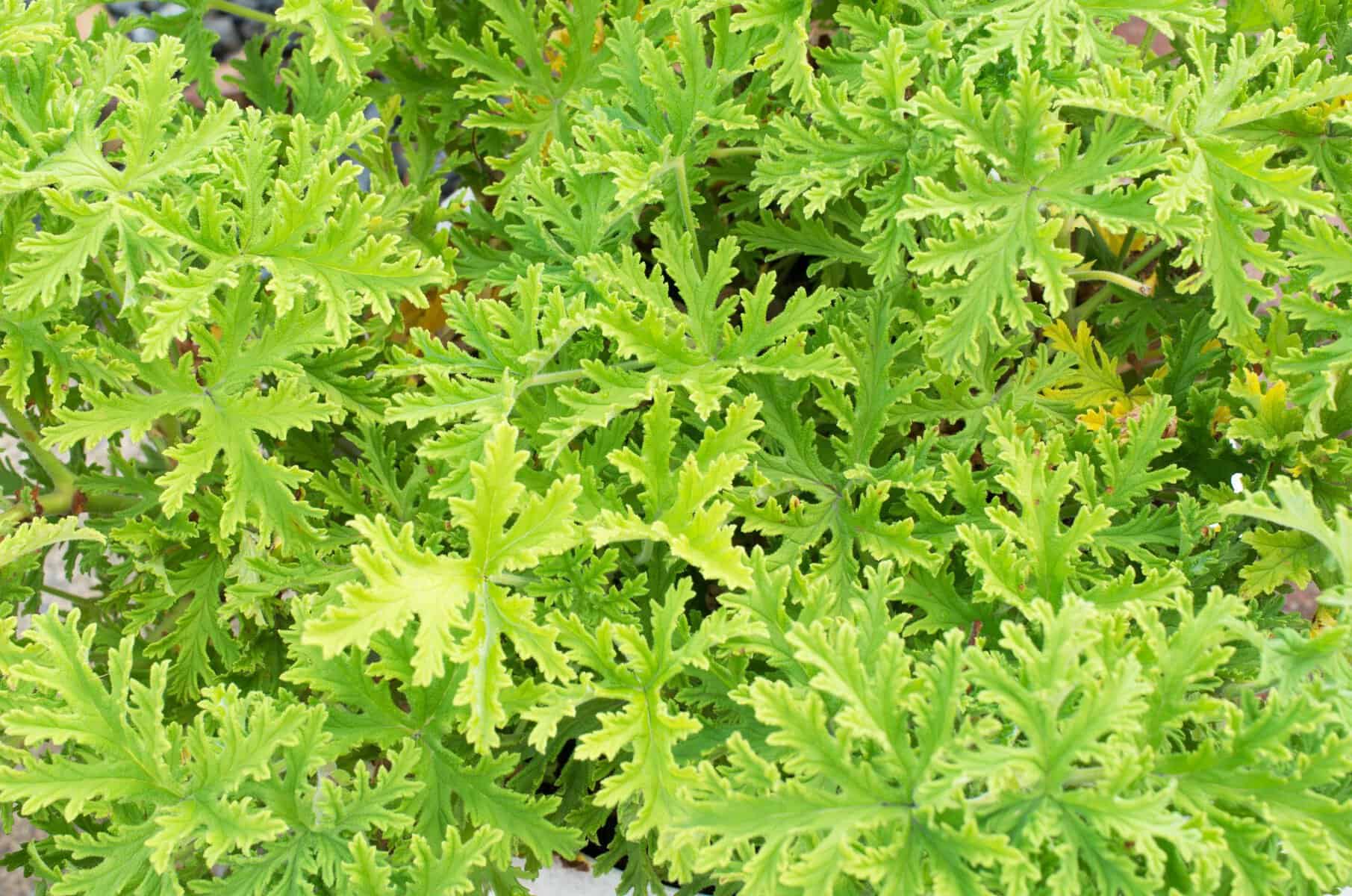
Citronella and lemongrass (zacate de limón) remain the best-known. Citronella genuinely repels mosquitoes — the catch is duration. Studies consistently show its protection fades within 30 minutes to an hour, so it demands frequent reapplication, roughly once an hour at minimum.
Neem, long used medicinally in India and Mexico’s Yucatán Peninsula, grows readily in Costa Rica. Evidence for neem oil as a skin repellent is mixed, though it has better support as a larvicide — a few drops in water features or plant saucers you can’t empty may help suppress breeding.
Anona, guanábana and cherimoya, all members of the Annonaceae family found in Costa Rican markets, have a traditional reputation as repellents; older local practice involved drying and grinding the seeds into a powder, then dissolving roughly 10 milliliters (about 2 teaspoons) per liter (34 fl oz) of water as a homemade spray. Laboratory research on Annonaceae seed extracts shows genuine insecticidal compounds, but there are no rigorous field trials on humans — treat this as cultural knowledge rather than a substitute for a registered repellent, and note that annona seeds are toxic if ingested.
Chrysanthemum is the plant that gave the world pyrethrum, the natural insecticide still used in many home fumigation products (often paired with piperonyl butoxide as a synergist). It kills mosquitoes, gnats and cockroaches on contact, which is why chrysanthemum-derived sprays remain a staple of both commercial and “ecological” pest-control services in the Central Valley.
Around the house
Repellent plants can supplement — never replace — the single most effective dengue-prevention measure: eliminating standing water. Health officials repeat it every rainy season for a reason. Tires, plant saucers, flower vases, buckets and clogged gutters are where Aedes aegypti breeds, and the ministry’s current Orotina campaign is built almost entirely around door-to-door breeding-site elimination.
That said, keeping potted citronella, lemongrass or wide-leaf culantro near doorways and outdoor seating areas is a pleasant, low-effort supplement, and citronella candles or coils help in still air on a covered terrace.
Where to buy
Twenty years ago, natural repellents meant a trip to a specialty macrobiótica. Today, OLE and citronella-based sprays are stocked in most Costa Rican pharmacy chains, larger supermarkets and outdoor retailers, alongside picaridin products, which many people who dislike DEET’s feel and smell find a comfortable middle ground. Expect to pay roughly ¢4,000–¢9,000 (about $8–$18) for a spray bottle depending on brand and size.
Whichever route you choose — botanical, synthetic or a potted plant on the porch — the rainy-season rule is the same: reapply often, dump the standing water, and don’t give the mosquitoes a free meal.





