

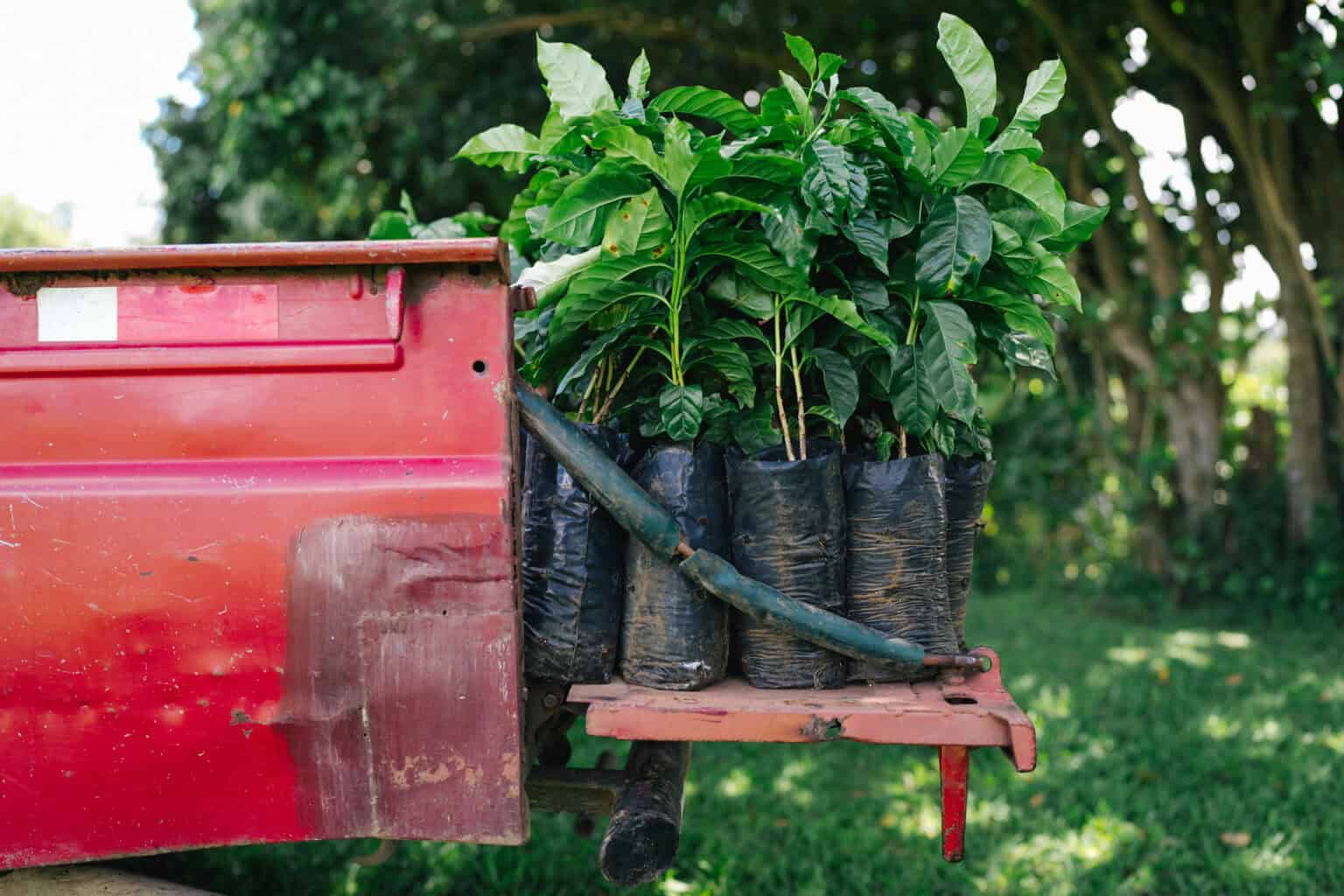
Starbucks has announced a new phase of its coffee tree donation program, with Costa Rica among the countries selected to receive trees as the company pushes to strengthen global coffee production in the face of climate change.
The initiative follows Starbucks reaching its original goal of donating 100 million coffee trees to farmers across multiple countries — a milestone the company says is the result of nearly a decade of investment in developing more resilient coffee varieties. After hitting that target, Starbucks announced it will move forward with a second phase, committing an additional 50 million trees to strategic growing regions. Along with Costa Rica, the program will extend to Ethiopia, Tanzania, Indonesia, Honduras, and Colombia.
“Coffee is at the heart of Starbucks. Every cup begins with farmers whose livelihoods depend on healthy, productive coffee trees. As climate change reshapes growing conditions through rising temperatures, shifting rainfall patterns, and increased pest and disease pressure, farmers need stronger, more resilient varieties to help keep their farms productive for the long term,” the company said in a statement.
The program dates to 2017, when Starbucks began distributing seedlings to coffee farmers in El Salvador, Guatemala, and Mexico. A key part of the research behind it has been conducted at Hacienda Alsacia, a 240-hectare farm in Sabanilla de Alajuela on the slopes of Poás Volcano. There, researchers study coffee varieties, soil management, and disease tolerance, with findings shared directly with producers.
The initiative has been carried out in partnership with Conservation International, which oversees environmental and social practice implementation and monitors farmers for plant quality and guideline compliance.
“With climate change threatening the future of coffee, building resilient farming systems has never been more urgent. Supporting farmers as they adapt to changing conditions can help them and their land stay productive while protecting vital ecosystems,” said Raina Lang, Conservation International’s Senior Director of Sustainable Coffee. “Cross-sector collaboration between business, NGOs, and communities is the future of conservation, as it can lead to positive outcomes for climate, people, and livelihoods.”
Beyond tree donations, Starbucks has also established financing mechanisms for small-scale farmers through its Global Farmer Fund, through which the company reached a parallel goal of providing $100 million in loans. The funds support farm productivity, infrastructure, and financial stability, and are paired with technical assistance covering agricultural practices, business management, and climate risk adaptation.





