

Most travel experiences are learning experiences, and in Costa Rica, much of tourism markets itself as ecotourism. Yet, only a handful of programs stand out as both ecological and educational. For tourists looking to complement their beach time with something more impactful, Costa Rica offers opportunities to protect turtle eggs in national parks or study volcanoes alongside university professors. Various nonprofit environmental organizations have prioritized educating the public, including tourists.
The Organization for Tropical Studies (OTS) has, for decades, provided scientists from around the globe with research and knowledge-sharing opportunities at its three field stations. In recent years, they have expanded their offerings to include undergraduate and graduate programs emphasizing ecological and environmental issues, language study, and tropical culture. These programs range from day hikes and workshops to semester-long courses. The goal is to make Costa Rica’s biodiversity accessible to everyone, regardless of scientific background.
“Our programs are designed to provide hands-on, mentored-research experiences to undergraduate students from groups most underrepresented in the sciences,” explained an OTS representative. “As soon as you arrive at our field stations, you’re immersed in a scientific community dedicated to tropical ecology research.” OTS has expanded its reach beyond Costa Rica, now offering programs in South Africa as well.
Day hikes and workshops start at around $50, while longer programs can cost several thousand dollars for a semester. Visitors at the biological stations—La Selva in Sarapiquí, Las Cruces in San Vito, and Palo Verde in Guanacaste—can experience Costa Rica’s premier botanical gardens, diverse bird species, dense jungles, and wetlands. Prices vary depending on the program and duration.
PROMAR, a project dedicated to marine conservation, shares this educational mission. “To conserve effectively, we can’t operate in isolation. We must engage with the public,” said a PROMAR representative. PROMAR offers various tools and guidelines for local action against marine litter, including pilot projects like river interceptors and strategies for integrating marine litter management into municipal waste plans.
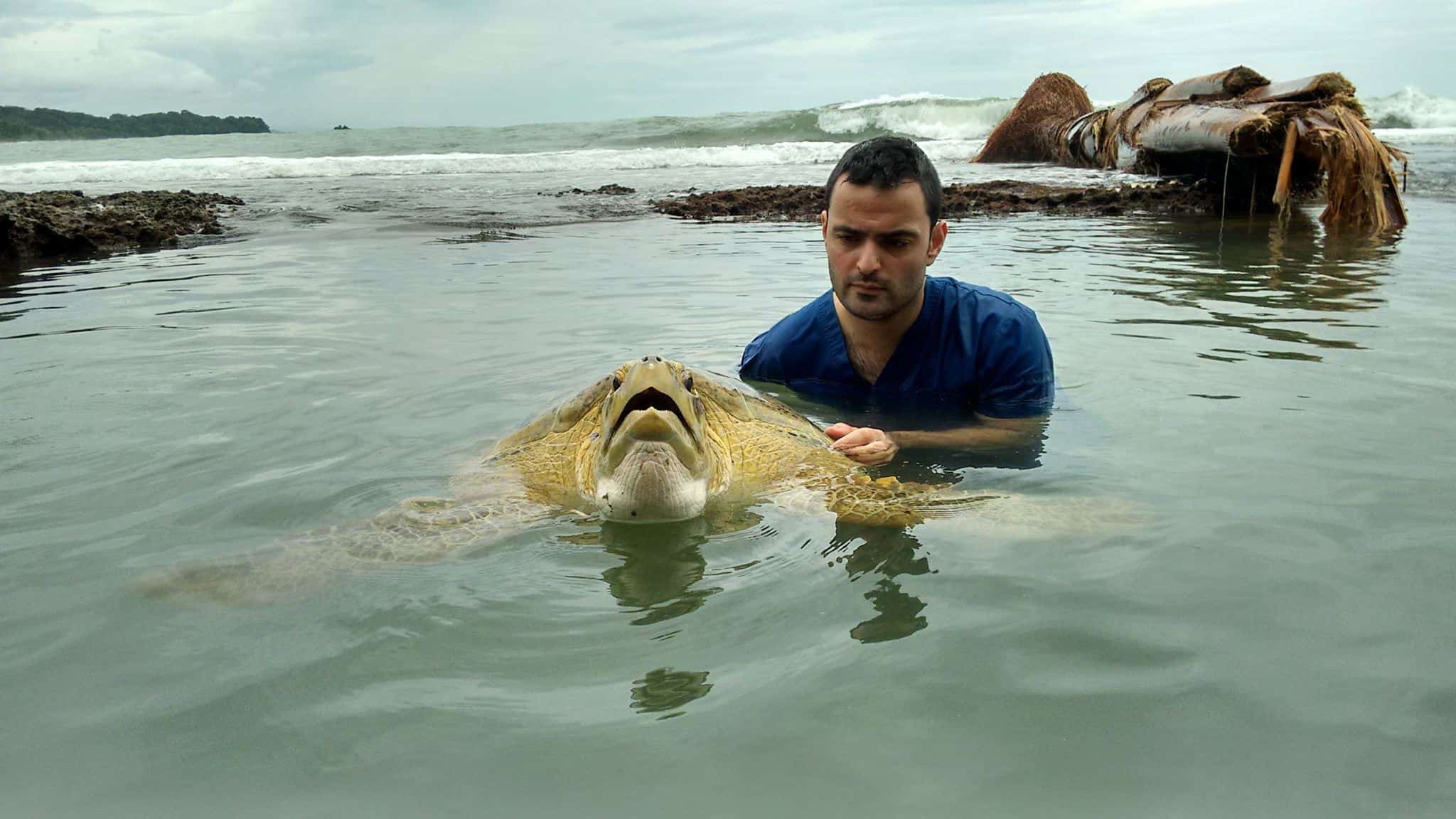
The Association of Volunteers for Protected Areas (ASVO) continues to allow anyone over 18 to help protect Costa Rica’s Sea turtles. Through ASVO, volunteers guard turtle eggs, clean beaches, and maintain trails in protected areas. Volunteers are typically asked to commit to at least two weeks, with options for longer stays. International participants pay a fee that covers meals and lodging, with free time to explore local attractions.
Conservation efforts now emphasize the importance of involving local communities and promoting sustainable practices. Many programs now include components on sustainable tourism, cultural exchange, and environmental education. With Costa Rica’s tourism market projected to continue to grow significantly in the coming years, these educational ecotourism initiatives play an important role in promoting responsible travel and environmental stewardship.
As Costa Rica continues to be a leader in ecotourism and sustainability, these programs offer unique opportunities for visitors to engage deeply with the country’s rich biodiversity while contributing to its conservation efforts.





