

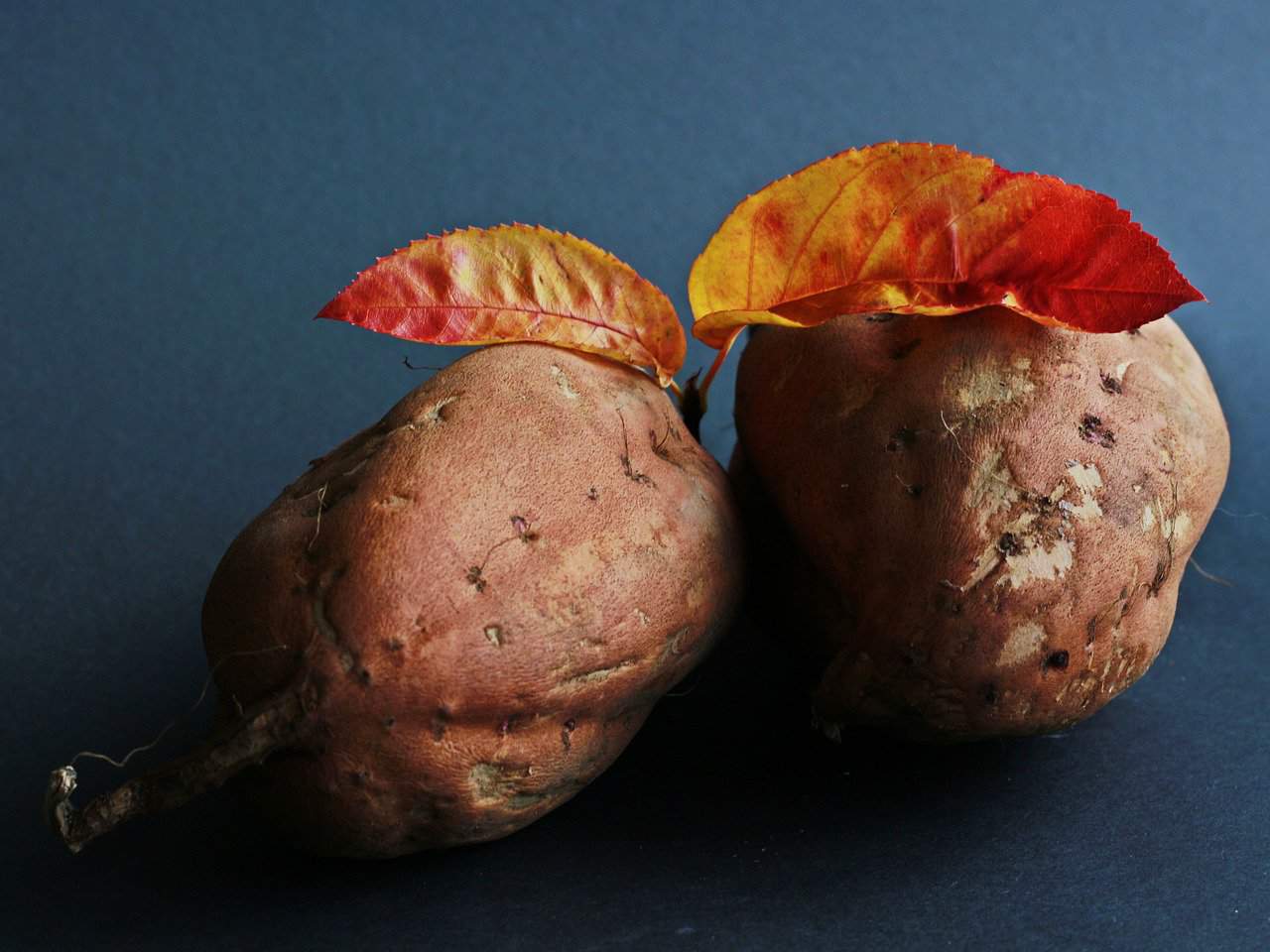
Here’s a wonder plant that can provide a bountiful supply of nutritious food for the family and may save the day if it comes to a food crisis.
These tubers are a good source of carbohydrates, vitamins A, B1, B2 and C, calcium, phosphorus and iron. What’s more, the leafy tops of the plants, which can be prepared like spinach, are delicious and highly nutritious, too.
A member of the Convolvulaceae family, the sweet potato – camote in Spanish – is a truly American native food crop that has been cultivated for centuries by indigenous people of our region. Ipomoea batatas comes in many varieties, ranging in color from white and yellow to orange, red and purple.
Sweet potatoes have been distributed around the world in tropical and subtropical climates to become one of the world’s most important food crops. Today, they are grown as a major food crop in the South Pacific, Japan, China, New Zealand, India, Egypt, southern Europe, the United States and Latin America.
These tubers are easy to identify, with their long, trailing vines and white and palelavender, morning glory-type flowers. Local markets often carry different varieties, such as the purple-skinned variety with a sweet, yellow interior, or the reddish-skinned variety, which is orange on the inside and tastes more like a yam.
Many root crops, such as potatoes and taro, can be propagated by planting new tubers, but the best way to grow camote in your home garden is to plant stem cuttings from mature plants. If you can’t obtain stem cuttings from any of your neighbors, don’t worry – here’s how it’s done.
The next time you are shopping at the supermarket or local market, select some good-looking sweet potatoes. At home, take a medium-size tuber and plant it in an eightinch pot of regular soil, making sure the half of the tuber with the end of the stem sticks straight up out of the soil.
Or you can create decorative foliage plants, like my grandmother used to do. Insert three toothpicks around the middle of the tuber and suspend it in a glass jar filled with water. Place it by a sunny window and watch it sprout and grow new shoots. After a month or so, you will be able to trim the leafy stems for planting. These stem cuttings should be at least 12 inches long and can be planted directly in a well-dug, compostenriched garden bed, about two inches deep and two feet apart.
In about a week, the cuttings will recover and begin to grow new leaves. In three to four months, the new vines will cover the entire garden bed, and new sweet potatoes will be ready to harvest. You can either dig up a few at a time or harvest them all at once, and replant the stems again to keep a continual supply of camotes going in the garden. Harvested roots can be sun-dried for a day and stored in a dry, shady area.
Camotes are wonderful baked or steamed. They lend themselves to many creative dishes, such as sweet potato pie. Here’s a recipe that’s a favorite with our family: Create a crumbly piecrust with one stick of butter, two tablespoons honey, one cup of whole wheat flour, three-quarters cup of rolled oats and half a cup of sesame seeds. Combine ingredients and mix well, then add a little water and press and mold into a pie plate.
Now make a filling with: five to six cups of mashed sweet potatoes, a quarter cup of butter, one tablespoon grated ginger sautéed in butter, half a cup of milk, one cup of honey or brown sugar, one teaspoon cinnamon, half a teaspoon nutmeg and a quarter teaspoon allspice or ground cloves.
Preheat your oven to 375 degrees F. Combine ingredients and mix well, then add to the piecrust. Bake for 20 minutes. Serve hot or cold.
Remember, too, that the leaves from the stem cuttings are an excellent spinach substitute. This is particularly good news for gardeners who live in the warmer regions of the country where spinach doesn’t grow well.
I hope you’ll try these nutritious native spuds in your home garden this year. Until next time, best wishes for an abundant garden.





