

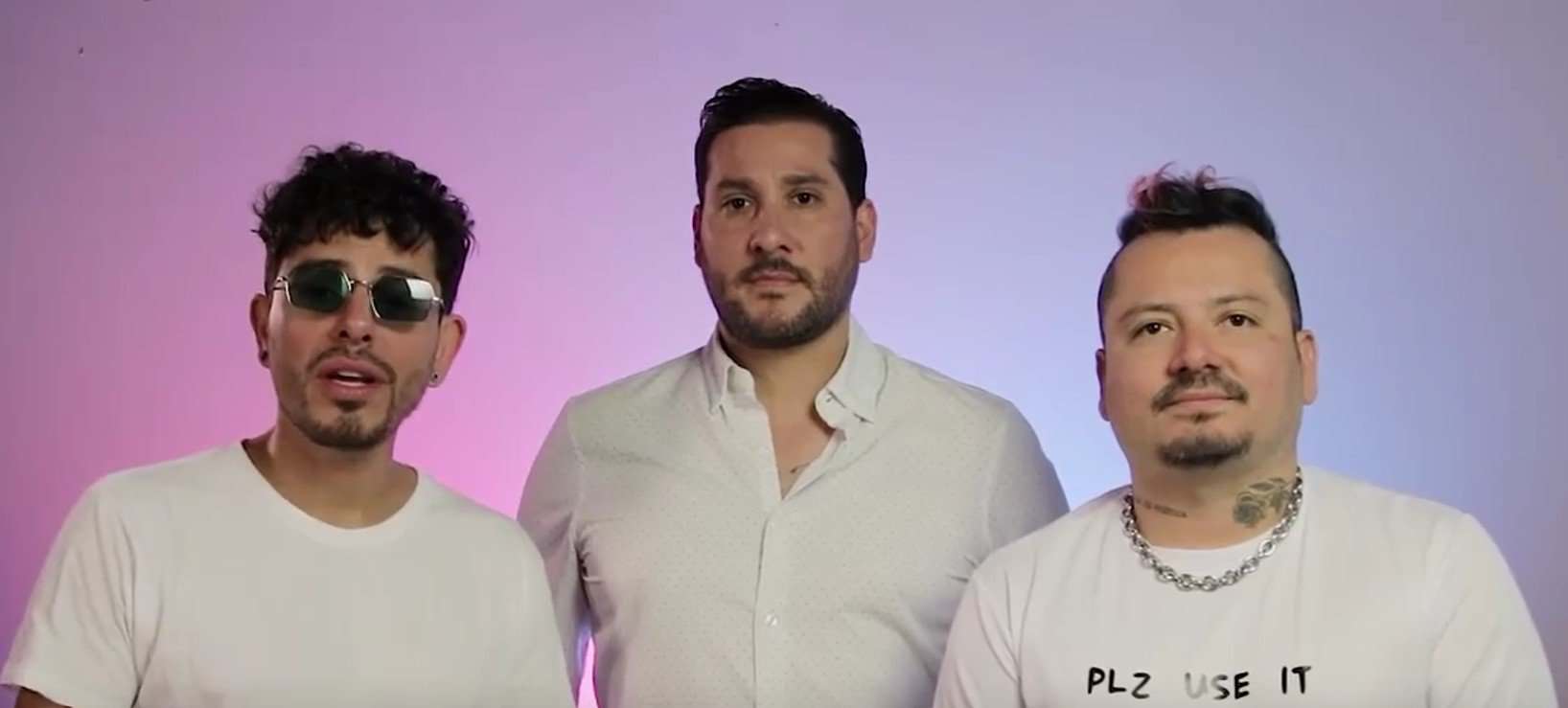
Over 30 Costa Rican artists have released a video titled “Voces por la democracia” to speak out against authoritarian threats facing the country. The release comes during the final days of the election campaign, just before the presidential vote on February 1, 2026. The video urges people to vote and highlights risks to press freedom.
The production features artists such as Sebas Guillem, Pedro Capmany, María Torres, Erick Córdoba, Claudia Barrionuevo, Gladdys Alzate, Tamela Hedström, Ana Coralia Fernández, and Guadalupe Urbina. They share messages about the value of democracy passed down from past generations. The video opens with the line, “Sometimes it’s enough to stop staying silent; voices meet even from afar, and something starts to move.”
Participants warn about dangers to freedom in Costa Rica. Tamela Hedström, who has lived in several countries, points out, “I have the privilege and pride of being Costa Rican. I’ve lived in more than four countries and know that democracy, the privileges, and the riches we have in our country cannot be taken for granted.” Actress María Torres adds that “the right to vote has been won in many countries with blood; we have it because we’ve been a people of peace.”
The video calls on citizens to vote and raises concerns about press freedom under potential authoritarian shifts. Ana Coralia Fernández recalls past elections: “When we were kids, we couldn’t wait to get our ID and vote for the first time. My mom would come back with her finger all blue, marked with the purple ink, so proud because she had gone to exercise her vote. Now Costa Rica, which almost never asks us for anything, is asking us to show up.”
Guadalupe Urbina stresses the historical legacy: “Decades ago, our grandparents left us a legacy: the right to vote, the right to choose what we like, what we want, and what we believe can serve us. Let’s not allow, for any reason, that legacy to be lost or trampled.” This message lands amid a campaign that has highlighted political divides, with discussions on the future of institutions.
The artists say the video supports no specific candidate but promotes civic participation as a guard against authoritarian trends. “Costa Rica is asking us to show up,” they repeat, framing voting as a shared duty.
This cultural effort joins others during the campaign, like a musicians’ video with the phrase “Costa Rica es nuestra patria querida,” which encourages respectful and joyful election participation. Yet “Voces por la democracia” stands out for its warning tone, noting that democracy needs constant protection.
Released yesterday, the video has spread on social media, gaining thousands of views on Instagram and Facebook. Artists hope it boosts voter turnout, especially among young people and those who feel disconnected, in this key year for Costa Rica.
As campaigns wrap up, candidates fine-tune their final pitches. Political observers see these cultural moves as signs of an engaged civil society influencing debate without party ties.
In short, “Voces por la democracia” urges voting while alerting to threats to press freedom and the system overall. The artists end with a shared call: democracy holds in the ballot box, and every vote matters to keep the country as it is.





